
Australia Bus and Truck Insurance: Protecting Commercial Fleets on Regional and Remote Routes

Introduction: Managing Transport Risks Across Australia
Australia's transport industry depends on trucks, buses and commercial fleets to connect major cities with regional towns, rural communities, industrial facilities and remote locations. From freight deliveries and agricultural transportation to school services and interstate coach operations, commercial vehicles play an essential role in keeping businesses and communities connected.
However, operating vehicles across long distances presents challenges that are different from those faced by businesses working primarily within metropolitan areas.
Remote road conditions, limited repair facilities, extreme weather, driver fatigue, vehicle breakdowns and unexpected route closures can all affect commercial transport operations.
Australia bus and truck insurance helps businesses manage financial risks associated with commercial vehicles, passenger transport and freight operations. The appropriate protection depends on the vehicles, routes, business activities, drivers and policy conditions.
A regional trucking company may need to consider vehicle damage, trailer protection, recovery expenses and goods in transit. A bus operator running services between regional communities may have additional concerns involving passengers, driver arrangements, scheduled services and vehicle replacement.
Choosing suitable insurance requires more than comparing premiums. Businesses should understand where their vehicles travel, what they transport, who operates them and how a major incident could affect their ability to continue trading.
This guide explains the insurance considerations for regional Australian transport businesses, including long-distance truck operations, passenger transport, fleet protection and managing vehicle downtime.
1. Why Regional Transport Businesses Need Different Insurance Considerations
A transport business operating in Melbourne or Sydney may have relatively easy access to mechanics, vehicle recovery services, replacement vehicles and major transport facilities.
The situation can be very different for operators travelling through regional Queensland, Western Australia, South Australia and remote parts of the Northern Territory.
A vehicle breakdown several hundred kilometres from the nearest major service centre can create additional operational expenses.
Businesses may need to arrange specialised towing, replacement transport, accommodation, recovery equipment or alternative delivery arrangements.
These costs can affect the business even when the initial vehicle damage is relatively straightforward.
Common risks for regional truck operators
- Accidents on regional highways and rural roads.
- Damage while travelling on approved unsealed routes.
- Vehicle breakdowns far from repair facilities.
- Theft from unsecured parking or overnight stopping locations.
- Damage involving trailers and specialised equipment.
- Severe weather and unexpected route disruptions.
- Delays affecting freight delivery schedules.
- Additional recovery and transportation expenses.
Common risks for regional bus operators
- Vehicle accidents involving passenger services.
- Breakdowns during scheduled regional journeys.
- Passenger-related injury claims.
- Delays caused by road closures and severe weather.
- Limited access to replacement buses.
- Driver fatigue during longer journeys.
- Disruption to school, tourism and charter services.
These exposures do not mean every regional vehicle needs identical insurance. They mean operators should provide accurate information about their activities when arranging commercial motor cover.
2. National Truck Insurance for Long-Distance Transport Operators
Long-distance transportation is a major part of Australia's freight network.
Truck operators regularly move agricultural products, manufactured goods, construction materials, machinery, fuel and general freight between cities and regional destinations.
A business operating nationally should make sure its truck insurance reflects the geographical area in which its vehicles actually work.
National truck insurance is particularly relevant to companies that transport goods across state and territory borders or operate between metropolitan and remote destinations.
What should national truck insurance consider?
Vehicle damage: Consider protection against specified accidental damage, theft, fire, storm and other insured events.
Third-party property liability: Review the policy's protection against covered legal liability for damage to another person's property.
Trailer insurance: Check whether trailers are included, separately insured or subject to specific conditions.
Specialised equipment: Businesses operating refrigerated trucks, tankers, tippers and other specialised vehicles should disclose their vehicle specifications and activities.
Geographical scope: Confirm the policy's territorial limits and whether the vehicle's actual routes and operating locations are accepted.
Recovery and towing: Ask how recovery expenses are treated when a truck is damaged or disabled in a remote location.
Downtime: Consider whether an optional benefit addresses lost operating time or additional expenses after an insured incident.
One important point is that commercial motor insurance does not automatically insure every load carried by a truck. Businesses transporting customer goods may need separate goods-in-transit or marine cargo insurance.
Example: An interstate freight business
Imagine a trucking company operating between Melbourne, Adelaide, Perth and regional Western Australia.
The company has several trucks and trailers, and its operating routes change according to customer demand.
One vehicle suffers accidental damage during a regional delivery.
In addition to repairs, the business may face recovery expenses, delivery delays and additional costs associated with arranging another vehicle.
The operator should understand which of these expenses fall within the policy and whether additional protection is available.
An annual insurance review should also account for changes in the fleet, drivers, transport routes and types of freight carried.
For available options, visit Earnest Insurance's Truck Insurance page.
3. Bus Insurance Australia: Protecting Regional Passenger Transport
Regional bus services connect communities with schools, workplaces, medical facilities, tourist destinations and major transport hubs.
Unlike ordinary freight transportation, passenger transport businesses have responsibilities associated with the safety and wellbeing of people travelling in their vehicles.
Bus insurance Australia should be considered according to the type of passenger service, vehicle capacity, routes and business activities.
Different operators may include:
- Regional public passenger transport providers.
- School bus businesses.
- Charter bus companies.
- Interstate coach operators.
- Tourism and sightseeing businesses.
- Airport and hotel transfer services.
- Community passenger transport providers.
- Corporate employee shuttle operators.
Why passenger transport requires specific insurance consideration
A bus accident can create several potential business and liability exposures.
Vehicle repairs are only one part of the financial impact.
An operator may also need to manage passenger complaints, third-party claims, replacement services and contractual obligations.
When comparing bus insurance policies, consider:
Vehicle damage: Check the policy's treatment of accidental damage, theft, fire and other covered incidents.
Passenger and driver liability: Understand the liability protection provided and the relationship with compulsory motor accident injury arrangements.
Replacement vehicles: Consider whether optional benefits can assist when a bus is unavailable after an insured event.
Business interruption: Check whether the policy provides any specified protection for downtime or additional operating costs. Do not assume that ordinary vehicle insurance replaces lost revenue.
Operating territories: Confirm that regional and interstate routes are included where relevant.
Driver requirements: Make sure driver licensing, experience and other policy conditions are satisfied.
Earnest Insurance offers a dedicated Bus and Coach Insurance service covering vehicles, drivers, liability and operational considerations.
4. How Vehicle Downtime Can Affect a Regional Transport Business
One of the most important insurance considerations for commercial fleet operators is the financial effect of having a vehicle off the road.
When a truck or bus cannot operate, the business may lose the ability to fulfil existing work.
For a freight operator, one vehicle being unavailable may affect several scheduled deliveries.
For a regional bus business, losing a vehicle may disrupt school transport, charter bookings or passenger services.
Understanding vehicle downtime
Vehicle downtime refers to the period when a vehicle is unavailable for its intended business use.
It may result from:
- Accidental vehicle damage.
- Mechanical or electrical problems.
- Parts shortages.
- Specialist repair requirements.
- Delays in vehicle recovery.
- Insurance assessment and repair approval.
- Severe weather or road access problems.
Not every downtime event is an insured loss.
For example, ordinary mechanical wear and tear may not be covered under a standard commercial motor policy.
Similarly, a vehicle repair claim does not automatically mean that lost trading income will be reimbursed.
What additional protection can businesses consider?
Depending on the insurer and policy, available options may include:
- Replacement vehicle benefits.
- Hire vehicle expenses.
- Business interruption insurance.
- Additional expenses following an insured event.
- Specified towing and recovery costs.
Businesses should compare the waiting periods, limits, exclusions and eligibility requirements.
A regional operator may have different needs from a metropolitan fleet because replacement vehicles and specialist recovery services can be harder to arrange.
5. Severe Weather and Regional Road Disruptions
Australia's weather conditions can change significantly between regions and seasons.
Heavy rainfall, flooding, bushfires, storms and extreme temperatures may interrupt commercial transportation.
For operators working in regional areas, these events can affect both vehicle safety and access to important roads.
Flood-related transport risks
Flooding can affect road access, bridges and low-lying transport routes.
A truck or bus travelling through an area affected by rising water may experience damage or become stranded.
Businesses should monitor road conditions and follow the relevant authorities' warnings and closure instructions.
Bushfire and smoke exposure
Bushfires can affect regional highways and create temporary transport disruptions.
Vehicles operating near affected areas may face reduced visibility, road closures and potential physical damage.
Operators should maintain alternative route plans and communicate with drivers during emergencies.
Storm and hail damage
Severe storms can expose commercial vehicles to hail, falling branches and other physical damage.
The availability of cover depends on the policy and circumstances of the event.
What should fleet operators review?
Before arranging insurance, consider where vehicles are stored overnight, how they are secured, the regions in which they operate and the types of weather exposure they may encounter.
Accurate information helps insurers assess risks and determine available terms.
Businesses should also maintain an emergency communication process so drivers can report incidents, delays and unsafe road conditions.
6. Driver Fatigue and Insurance Risk Management
Driver fatigue is an important safety consideration for Australia's freight and passenger transport industries.
Long-distance truck drivers and regional bus operators may spend extended periods travelling on highways and regional roads.
The National Heavy Vehicle Regulator (NHVR) identifies fatigue as a major safety hazard.
It also explains that drivers, employers, schedulers and other parties in the Chain of Responsibility have responsibilities for managing fatigue risks.
The NHVR highlights how driving during the early morning hours and travelling along repetitive routes can contribute to fatigue concerns.
Read the official NHVR Fatigue Management Guidance.
Practical fatigue management for truck businesses
Transport operators should establish appropriate schedules and work arrangements that allow drivers to take required rest breaks.
Other useful measures include:
- Checking driver fitness before journeys.
- Maintaining accurate work and rest records.
- Providing appropriate fatigue awareness training.
- Encouraging drivers to report tiredness.
- Planning suitable rest stops.
- Reviewing schedules that create unrealistic delivery expectations.
Fatigue management for bus and coach operators
Passenger transport businesses should also consider the particular demands of bus and coach services.
Strict timetables, passenger interaction, roadworks, traffic congestion and long excursions may affect driver fatigue.
The NHVR specifically recommends that bus operators consider flexible scheduling, rest opportunities, training and regular reviews of fatigue management procedures.
See the NHVR Bus and Coach Driver Fatigue Guidance.
Good safety practices do not guarantee lower insurance premiums, but they can support stronger operational risk management and provide useful information when discussing insurance arrangements.
7. Why Route Planning Matters for Commercial Fleet Insurance
The route a commercial vehicle travels can influence its operating exposure.
A delivery company using major highways may have different transportation requirements from a business moving machinery between regional industrial sites.
Businesses operating heavy vehicles should make sure their transport plans reflect road access restrictions and applicable approvals.
The NHVR Route Planner provides information about approved heavy vehicle networks, including routes for B-doubles, B-triples, higher mass limits, PBS vehicles and road trains.
It can also assist businesses with checking route access and identifying situations where an access permit may be required.
The NHVR notes that route information is indicative and should be checked against relevant road authority information.
Useful resources include:
How should route information be used when arranging insurance?
When preparing a commercial motor insurance application, businesses should describe their operating activities accurately.
This can include:
- Interstate freight routes.
- Regional delivery areas.
- Remote industrial work locations.
- Off-road or private property usage.
- Specialised transportation activities.
- Restricted-access vehicle operations.
Never assume that a vehicle's registration or standard operating description automatically covers every activity it performs.
Discuss unusual or changed operations with the insurer or broker before the vehicle undertakes the new work.
8. Choosing the Right Truck Insurance Broker in Melbourne
Melbourne is an important transport and distribution centre, with businesses operating commercial vehicles throughout Victoria and across Australia.
Companies searching for a truck insurance broker Melbourne should look beyond premium comparisons.
A suitable broker should understand commercial vehicle operations and be able to help explain the available policy options.
Questions to ask a truck insurance broker
- Does the insurance suit my truck type and commercial activities?
- Are interstate and regional routes included?
- Are trailers and specialised equipment addressed?
- Is goods-in-transit protection required separately?
- What happens if my vehicle needs recovery in a remote location?
- Are replacement vehicle or downtime benefits available?
- What excesses and exclusions apply?
- How does the claims process work?
It is also important to provide accurate details about drivers, annual kilometres, operating territories, vehicle values and claims history.
Comparing insurance brokers
When comparing commercial insurance brokers, consider their experience with transport businesses, the insurers or markets they can approach, the explanations they provide and the support available during claims.
Check relevant authorisation through the Australian Securities and Investments Commission where applicable.
Earnest Insurance offers truck insurance options for owner-operators and commercial fleets operating in Melbourne and across Australia.
9. Understanding the Difference Between Truck Insurance, Cargo Insurance and Bus Insurance
Businesses sometimes assume that one commercial vehicle policy protects everything associated with transportation.
This is not necessarily the case.
Different policies generally protect different financial interests.
Insurance typeMain purposeTruck insuranceSpecified risks involving commercial trucksBus and coach insuranceSpecified risks involving passenger vehicles and their operationsGoods in transit insuranceEligible goods being transported domesticallyMarine cargo insuranceInsured goods during covered transit, often including international shippingCompulsory Third Party insuranceStatutory personal injury compensation arising from vehicle accidentsPublic liability insuranceCovered third-party injury or property damage liability arising from business activities
Example: A regional freight business
A company transports commercial equipment from Melbourne to a regional construction site.
Its truck suffers accidental damage during the journey.
The truck insurance may respond to the covered vehicle damage, while the cargo insurance may address insured damage to the equipment being transported.
The business should not assume that either policy automatically covers every additional expense arising from the incident.
The two insurance arrangements need to be reviewed separately and together.
A similar distinction applies to passenger transport.
Bus insurance should be evaluated alongside the applicable CTP arrangements and any other liability insurance relevant to the operator's activities.
10. Top Rated Car Insurance vs Commercial Truck and Bus Insurance
People searching for top rated car insurance are generally comparing personal vehicle policies based on customer experience, price, coverage and claims services.
Commercial trucks and buses require a different approach.
A personal comprehensive car insurance policy is not automatically suitable for vehicles used in business transport operations.
For example, a private vehicle policy may have restrictions concerning commercial use, carrying goods for payment or transporting passengers for hire or reward.
A trucking business should compare commercial motor policies based on its vehicle type, operating activities, geographical scope and business exposures.
Likewise, passenger transport operators should consider policies designed for commercial bus and coach operations.
Customer ratings can be useful when researching an insurer, but a high rating does not necessarily mean a policy provides suitable commercial fleet protection.
The correct policy is the one that addresses the actual risks of the business, subject to its terms and conditions.
11. How to Prepare Your Fleet for Insurance Renewal
Regional and national transport operators should review their insurance arrangements whenever the business changes significantly and before each renewal.
This helps identify outdated vehicle information and insurance gaps.
Commercial fleet renewal checklist
Vehicle information
- Current truck and bus registration details.
- Vehicle specifications and insured values.
- Trailer and specialised equipment details.
- New vehicle purchases and vehicles sold.
- Vehicle modifications and changes in use.
Driver information
- Driver licence details and relevant experience.
- Driver history and claims information.
- Employee and contractor arrangements.
- Relevant driver restrictions.
Operational details
- Interstate and regional routes.
- Annual kilometres and vehicle usage.
- Passenger services and freight types.
- Remote and specialist work locations.
- Overnight vehicle storage arrangements.
Risk management
- Vehicle servicing and maintenance records.
- GPS tracking and security procedures.
- Driver fatigue policies.
- Incident reporting procedures.
- Recovery and emergency arrangements.
Insurance information
- Current cover and insured limits.
- Excesses and exclusions.
- Claims history.
- Goods-in-transit arrangements.
- Optional downtime or replacement benefits.
Providing accurate information can make the insurance renewal discussion more productive.
12. Get Australia Bus and Truck Insurance Options Through Earnest Insurance
Commercial transport businesses have different insurance requirements depending on their vehicles, freight, routes and passenger services.
Earnest Insurance provides specialist insurance information and options for Australian truck and bus operators.
Its dedicated truck insurance service is designed for businesses operating single commercial vehicles as well as larger fleets. The available options include comprehensive commercial truck insurance, semi-trailer insurance and tow truck insurance.
For passenger transport operators, Earnest's bus and coach insurance service provides information about protection for vehicles, drivers, liability and everyday operations.
The team can help businesses compare available insurance options based on their individual requirements.
Truck insurance options
Explore commercial truck insurance for:
- Owner-operators.
- Light and heavy trucks.
- Semi-trailers and tractor-trailers.
- Tow trucks.
- Commercial transport fleets.
Visit Earnest Truck Insurance.
Bus and coach insurance options
Explore insurance options for:
- Passenger transport operators.
- Charter bus companies.
- Coach operators.
- Commercial bus fleets.
- Regional passenger transport businesses.
Visit Earnest Bus and Coach Insurance.
Contact Earnest Insurance
Phone: 1300 402 412
Website: https://www.earnestinsurance.com.au/
When requesting a quote, prepare your vehicle list, driver details, operating routes and information about your business activities.
This helps the team understand the operation and identify relevant insurance options.
Frequently Asked Questions About Australia Bus and Truck Insurance
What is Australia bus and truck insurance?
Australia bus and truck insurance refers to commercial vehicle insurance arrangements for freight trucks, passenger buses and coach fleets. Depending on the policy, coverage may include specified vehicle damage, third-party property liability and additional operational benefits.
What does national truck insurance cover?
National truck insurance can provide commercial motor protection for eligible vehicles operating across Australian routes. The exact cover depends on the insurer, vehicle type, geographical restrictions, business activities and policy conditions.
Is truck insurance different from bus insurance in Australia?
Yes. Truck insurance generally addresses risks involving freight vehicles and their operations, while bus insurance needs to account for passenger transport activities and related liabilities. Different vehicles may require separate policy arrangements.
Does commercial truck insurance cover freight in transit?
Not automatically. Commercial motor insurance generally protects the vehicle and specified liability exposures. Goods in transit or marine cargo insurance may be required to protect the goods being transported.
Can a regional transport company insure multiple trucks under one policy?
Some insurers offer fleet insurance arrangements for eligible businesses operating multiple commercial vehicles. Acceptance and coverage depend on fleet size, vehicle types, operating territories and underwriting requirements.
Does bus insurance Australia include passenger protection?
Bus insurance policies may include specified passenger-related liability protection, depending on their terms. Compulsory Third Party insurance is a separate statutory arrangement addressing personal injury compensation under the applicable state or territory scheme. Operators should check both.
What is the importance of recovery cover for regional trucks?
Recovery costs can be an important consideration for trucks operating far from major service centres. Businesses should check whether towing, recovery and associated expenses are covered or available as additional benefits.
How do I find a truck insurance broker in Melbourne?
Look for a broker who understands commercial transport operations and can explain suitable policies, exclusions, excesses and available benefits. Earnest Insurance provides commercial truck insurance options for businesses in Melbourne and across Australia.
Is top rated car insurance suitable for commercial vehicles?
Not necessarily. Personal car insurance and commercial motor insurance are designed for different vehicle uses and risks. Businesses should arrange insurance that accurately reflects how their trucks, buses and other vehicles are operated.
How much does bus and truck insurance cost in Australia?
Premiums vary based on vehicle values, vehicle types, drivers, operating locations, usage, claims history, excesses and selected coverage. An accurate quote requires information about the individual vehicle and business.
Conclusion: Keep Your Australian Transport Business Moving
Operating buses and trucks across regional and remote Australia requires careful planning.
Long-distance travel, limited repair facilities, changing road conditions, severe weather and vehicle downtime can all affect commercial transport operations.
The right insurance strategy should reflect the actual way a business operates. Truck operators need to review vehicle protection, trailer exposure, recovery arrangements and goods-in-transit requirements. Bus businesses should also consider passenger-related exposures, driver arrangements and the consequences of interrupted services.
Whether you operate one truck, a national freight fleet, regional passenger buses or a combination of commercial vehicles, regularly reviewing insurance can help identify potential gaps before an incident occurs.
If you are comparing national truck insurance, bus insurance Australia or looking for a truck insurance broker in Melbourne, start with your operating risks, policy requirements and the cover available.
Speak with Earnest Insurance about your commercial vehicle insurance requirements.
Visit www.earnestinsurance.com.au or call 1300 402 412 to explore suitable truck and bus insurance options.
Important information: This article provides general information only and does not take into account your objectives, financial situation or needs. Insurance availability, cover, limits, excesses, exclusions and conditions vary between insurers and policies. CTP arrangements and legal requirements also vary across Australian states and territories. Read the relevant Product Disclosure Statement and policy wording and consider whether the cover is appropriate for your circumstances before making a decision.
Author: Earnest Insurance Editorial Team
Subscribe to our newsletter
Related posts
More Blog Posts
Australia Bus and Truck Insurance: Protecting Commercial Fleets on Regional and Remote Routes
Australia Bus and Truck Insurance: A Complete Guide for Commercial Fleet Operators

Marine Cargo Insurance in Australia: Protecting Lithium Batteries, Electric Vehicles and Energy Storage Shipments

Marine Cargo Insurance for Heavy Machinery and Project Cargo in Australia
Marine Cargo Insurance for Perishable Goods: Protecting Australia's Cold Chain

Marine Cargo Insurance in Australia: From Supplier to Final Delivery

Is Your Business Properly Insured? 10 Insurance Gaps Australian Businesses Should Check Before Renewal


How to Choose the Right Business, Construction, Truck, Bus and Marine Cargo Insurance in Australia


How to Choose the Right Business, Construction, Truck, Bus and Marine Cargo Insurance in Australia


How Much Is Public Liability Insurance in Melbourne? A 2026 Guide for Businesses


Business Insurance Broker Melbourne: How to Choose the Right Cover for Your Business


Business Insurance Broker Melbourne: How to Choose the Right Cover for Your Business
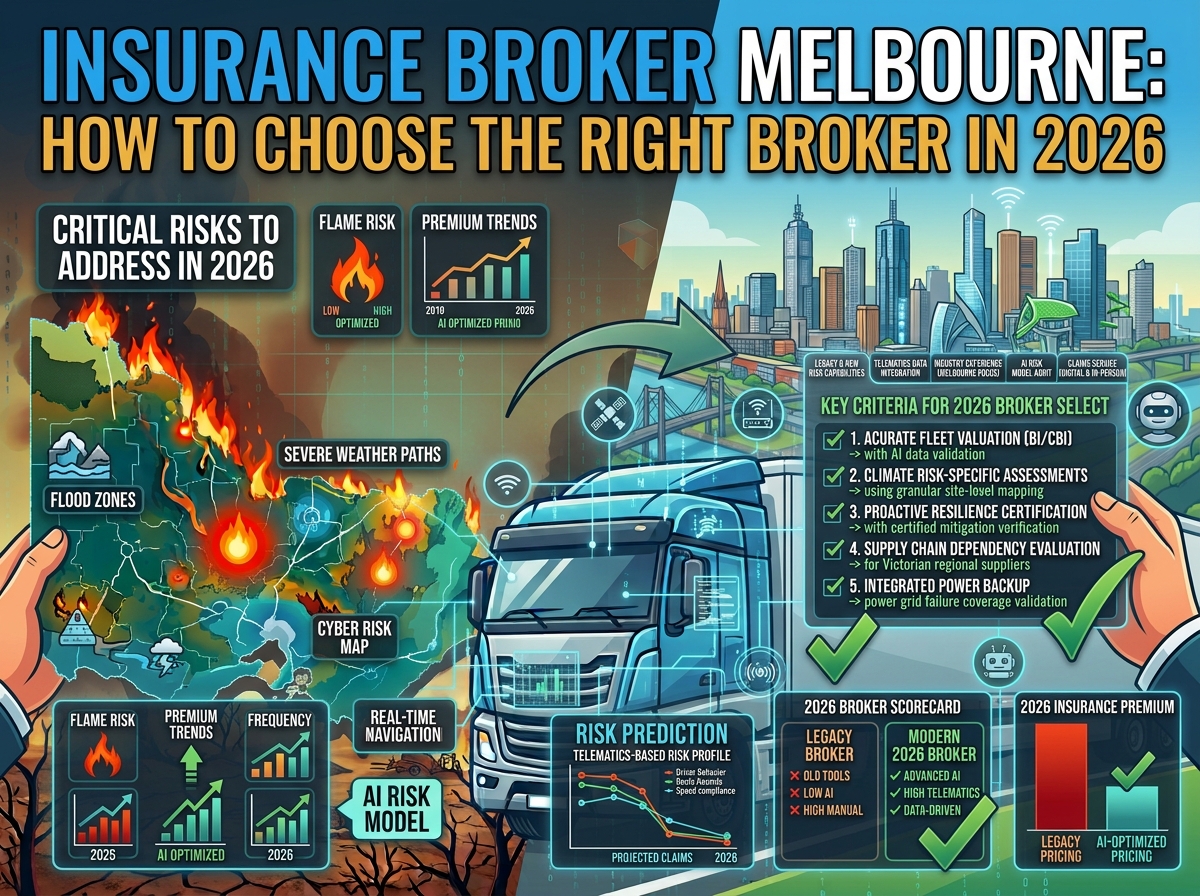
Insurance Broker Melbourne: How to Choose the Right Insurance Broker in 2026
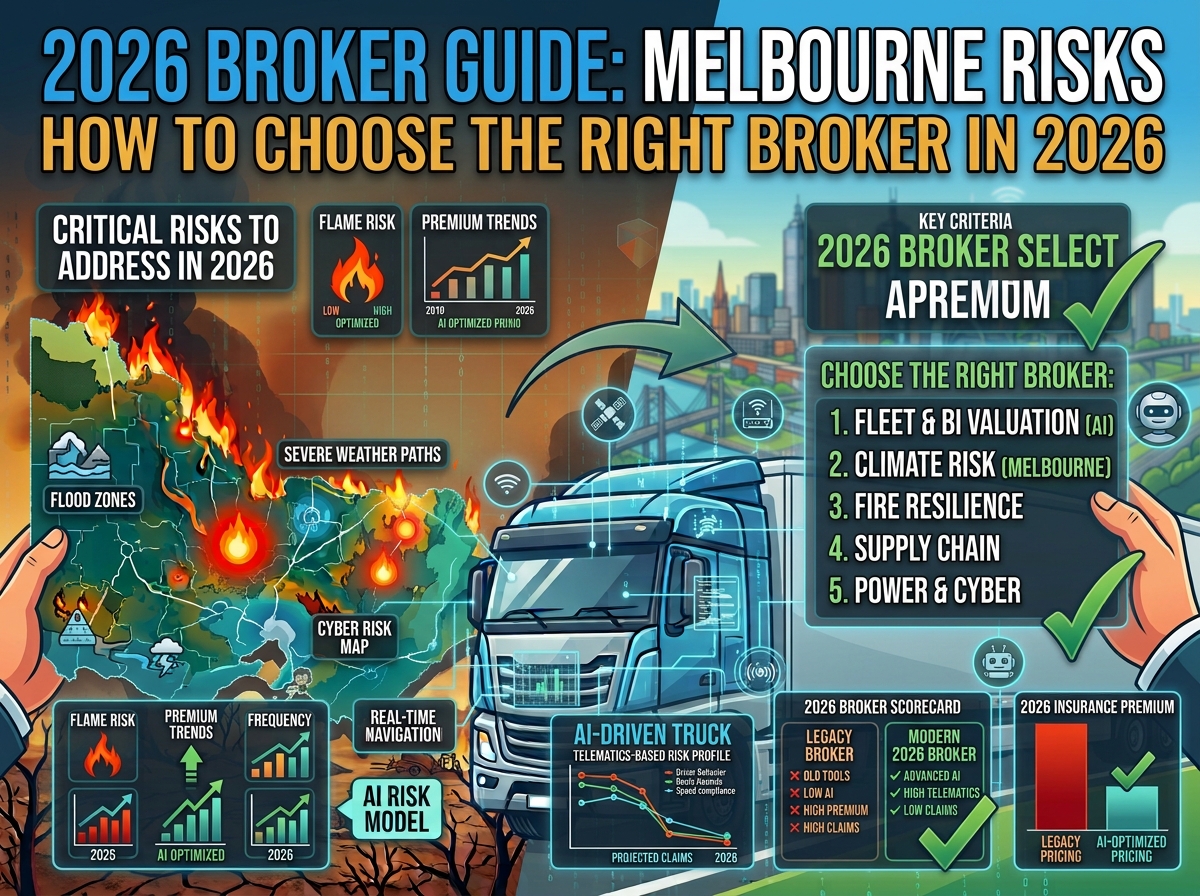
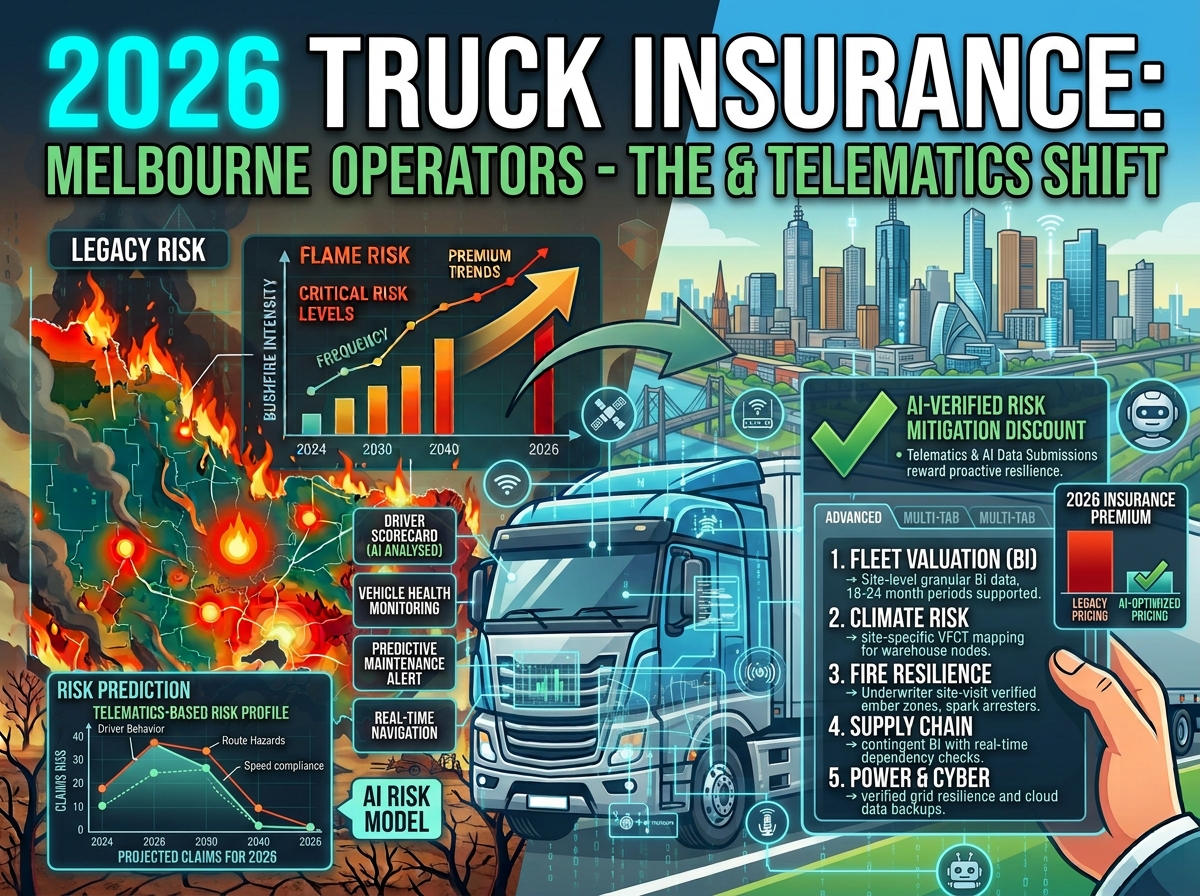
Truck Insurance Quote in 2026: How Telematics and AI Safety Technology Are Changing Truck Insurance in Melbourne
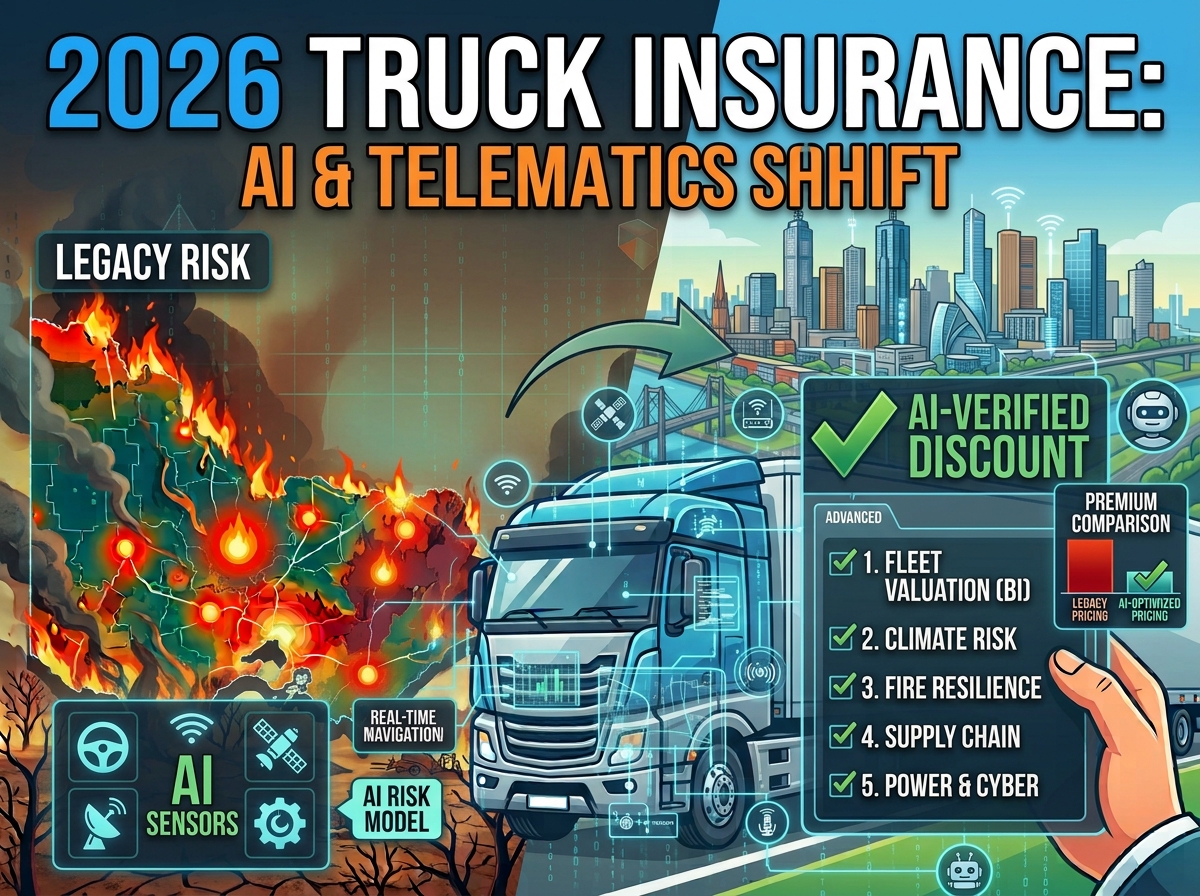

Truck Insurance Quote in 2026: What Melbourne Truck Operators Need to Know


Truck Insurance Quote: A Complete Guide to Truck Insurance in Melborune Australia
Bushfire & Climate Risk Insurance in Victoria: What Melbourne Businesses Should Review

Construction Insurance in Australia: What Every Builder, Tradie & Contractor Needs to Know


Cleaning Business Insurance Australia: Public Liability, Tools & Equipment Cover

A General Guide to Cargo & Marine Insurance

Types of Business Insurance: Liability & Directors Cover | Earnest Insurance

Sole Trader Public Liability Insurance | Costs & Cover
Everything You Need to Know About Small Truck Insurance

🏢 Commercial Property Insurance: What It Covers

Cafe & Coffee Shop Insurance

Insurance For Coffee Shops

Building & Construction Insurance Essentials


What you need to consider if you have a licensed venue

Insurance for the transport and logistics sector


What is really inside Business insurance?

Get in Touch
Have questions about insurance? Our expert brokers are here to help.