
Truck Insurance Quote: A Complete Guide to Truck Insurance in Melborune Australia
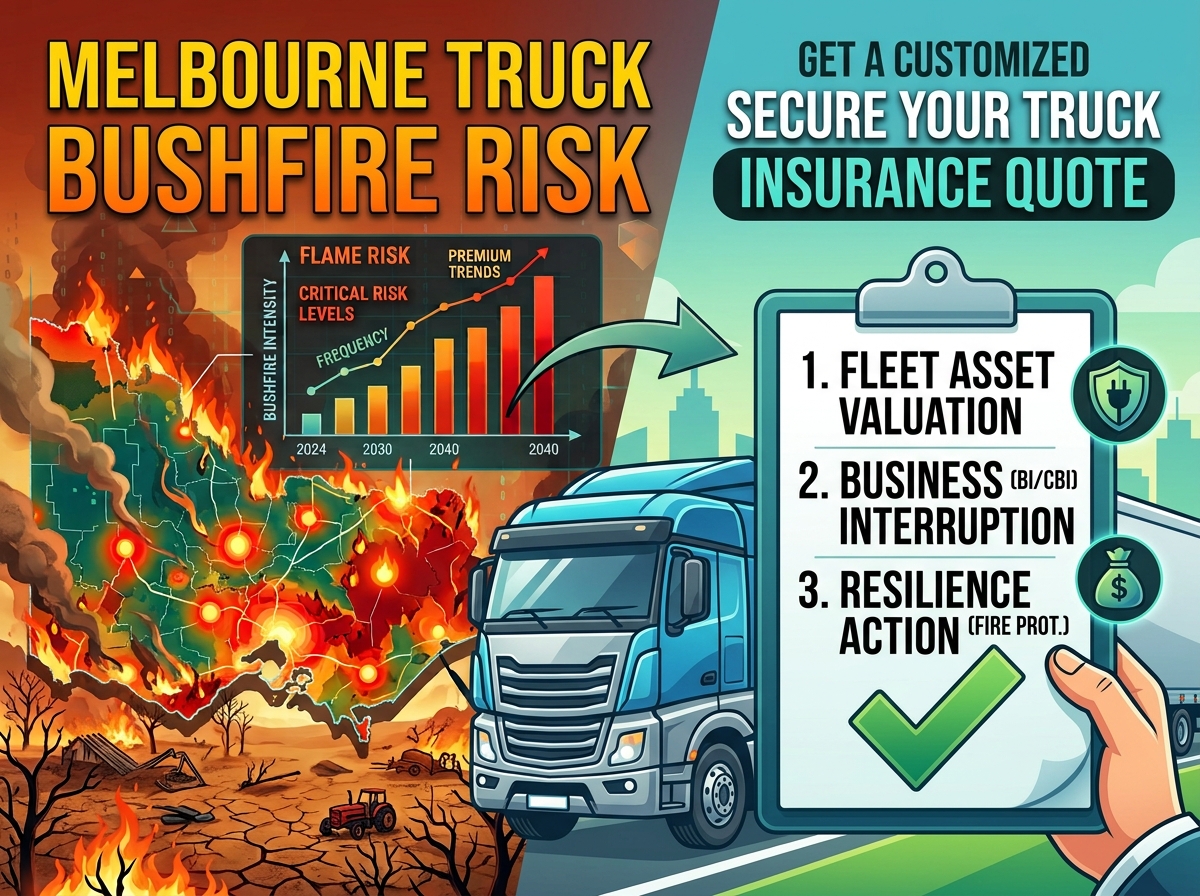

Finding the right truck insurance quote is an important step for any Melbourne Australian business that depends on trucks to deliver goods, transport equipment, service customers or keep operations moving. Whether you operate a single light truck, a small business fleet, a heavy commercial vehicle or a tow truck, your insurance needs can be very different from those of a private motorist.
For businesses in Melbourne and across Victoria, choosing suitable commercial truck insurance means looking beyond the price of the policy. The type of truck, how it is used, what it carries, where it operates, who drives it and the risks associated with the business can all influence the cover available and the premium.
At Earnest Insurance, we help businesses explore insurance options designed around their vehicle and business circumstances. This guide explains what to consider when requesting a truck insurance quote, the difference between different types of truck insurance, and what Australian truck operators should consider before choosing a policy.
What Is Truck Insurance?
Truck insurance is insurance designed for vehicles used for commercial or business purposes. Depending on the policy and circumstances, cover may be available for physical damage to the insured vehicle, liability arising from its use and other business-related risks.
A truck used for deliveries has different risks from a truck used for construction, waste collection, transport, towing or specialised freight. That is why a commercial policy should reflect the actual operation rather than simply the vehicle's size.
Business Victoria notes that the cost and appropriate type of vehicle insurance can depend on factors such as the type of vehicle, what it carries, how frequently it is used and the nature of the use.
This is particularly important when comparing a truck insurance quote. Two businesses with similar-looking vehicles may receive different premiums because their operations present different levels of risk.
How Do I Get a Truck Insurance Quote?
The easiest way to start is to provide accurate information about your truck and business to an insurance broker or insurer.
A truck insurance quote may require information such as:
- Truck make, model and year
- Vehicle value
- Type and size of truck
- Business or commercial use
- Primary operating location
- Typical travel area
- Goods or equipment being transported
- Driver experience
- Claims history
- Estimated annual usage
- Security arrangements
- Whether the vehicle is part of a larger fleet
- Whether trailers or additional equipment are involved
The more accurately you describe the operation, the easier it is to identify appropriate insurance options.
Do not underestimate the importance of explaining how the truck is actually used. A vehicle used for local deliveries, interstate freight, construction materials or towing may require different consideration when an insurer assesses the risk.
What Does Commercial Truck Insurance Cover?
The exact cover available depends on the policy, insurer, vehicle and business circumstances. However, businesses commonly investigate several areas when arranging commercial truck insurance.
Comprehensive Motor Vehicle Cover
Businesses may seek cover for accidental damage to the insured truck, subject to the terms, conditions, exclusions and excess applicable to the policy.
For a business that relies heavily on a truck, protecting the vehicle can be important because an accident, theft or other insured event may interrupt normal operations.
Third-Party Liability
Commercial vehicle policies can also address liability associated with the use of the vehicle, depending on the policy structure.
Business Victoria states that businesses using motor vehicles need vehicle insurance for third-party injury liability and that the insurance must cover commercial or business use.
Operators should always confirm the specific legal and insurance requirements applicable to their vehicle, location and operation.
Optional or Additional Covers
Depending on the business, a truck operator may also investigate additional protection for areas such as trailers, equipment, goods, downtime or other business exposures.
The important point is that a policy should be assessed based on the complete operation rather than the truck alone.
Truck Insurance Melbourne: What Local Businesses Should Consider
Businesses looking for truck insurance Melbourne often operate in demanding environments where vehicles travel across metropolitan Melbourne, regional Victoria or interstate routes.
A Melbourne-based business might use a truck for:
- Building and construction work
- Furniture deliveries
- Retail distribution
- Landscaping
- Equipment transportation
- Refrigerated deliveries
- Waste and recycling
- Food distribution
- Courier and logistics services
- Automotive services
- Towing and roadside assistance
- Manufacturing supply chains
Each activity can create different insurance considerations.
For example, a landscaping company may use a light truck to transport tools and materials, while a freight company may operate several heavy vehicles over long distances. A tow truck operator may have entirely different operational and liability considerations again.
This is why truck insurance Melbourne should not be approached as a one-size-fits-all product.
Truck Insurance in Victoria
Victoria has a large commercial transport and heavy-vehicle sector, and businesses operating heavy vehicles may also need to consider regulatory and operational requirements in addition to insurance.
The National Heavy Vehicle Regulator states that the Heavy Vehicle Accreditation scheme took effect on 1 August 2026, replacing the previous NHVAS framework progressively.
Insurance and regulatory compliance are separate matters, but both should form part of a responsible transport risk-management strategy.
For Victorian operators, current government information also shows that vehicle insurance costs can vary according to factors including vehicle value, driver history, excess, usage and whether the operation is intrastate or interstate.
Always confirm current regulatory obligations with the relevant government authority and review the insurer's policy documentation before purchasing cover.
Tow Truck Insurance Australia
Tow truck insurance Melborune Australia is a specialised area because tow truck operators may face risks that are different from standard freight or delivery operations.
A tow truck may be involved in:
- Roadside assistance
- Accident recovery
- Vehicle towing
- Breakdown services
- Vehicle transport
- Recovery of damaged vehicles
- Commercial towing
- Heavy vehicle towing
The way the truck is operated matters when arranging insurance.
For example, an operator may need to explain whether vehicles are towed from private property, roads, accident scenes, workshops or storage facilities. The types and sizes of vehicles being towed can also be relevant.
Transport Victoria specifically states that registered operators and drivers are responsible for ensuring appropriate insurance for the operation being completed.
For customers dealing with towing businesses, Consumer Affairs Victoria also advises checking insurance documentation because policies differ and the scope of cover can vary.
If you operate a towing business, do not assume a standard truck policy automatically addresses every aspect of your operation. Explain the full business activity when requesting your tow truck insurance Australia quote.
Small Truck Insurance
Small truck insurance is commonly relevant to tradespeople, delivery businesses, service businesses, retailers and independent operators.
A small truck may be used by:
- Electricians
- Plumbers
- Landscapers
- Builders
- Cabinet makers
- Appliance businesses
- Furniture companies
- Removal businesses
- Local delivery operators
- Food suppliers
- Maintenance companies
Although a small truck may be less expensive than a heavy vehicle, it can still be a critical business asset.
If your business depends on the vehicle every day, an accident or theft can affect your ability to complete jobs, deliver products and generate revenue.
When requesting small truck insurance, explain the actual business use rather than describing the vehicle only by its size.
Light Truck Insurance
Light truck insurance is designed around the commercial use of lighter trucks, but the correct policy depends on the vehicle and operation rather than simply its classification.
Light trucks can be used for local deliveries, trades, construction support, equipment transport and many other business purposes.
For a light truck insurance quote, insurers may consider factors such as:
Vehicle
The make, model, age, value and specifications of the truck can affect the underwriting assessment.
Business Use
A light truck used for transporting tools may have different risks from one carrying commercial stock, machinery or specialised equipment.
Location
Where the vehicle is normally kept and where it operates may influence the risk assessment.
Drivers
Driver age, experience and claims history may be relevant depending on the insurer and policy.
Usage
Frequent metropolitan deliveries, regional travel and interstate operations can present different risk profiles.
Providing accurate information from the start can help avoid problems later.
Commercial Truck Insurance for Businesses
Commercial truck insurance is particularly important for businesses where vehicles form part of the core operation.
Consider a wholesale distributor that has three trucks delivering products every day. A truck is not simply a vehicle in that business—it is part of the supply chain.
The same applies to a construction company transporting equipment, a manufacturer moving stock between facilities, or a transport company delivering goods to customers.
A business should therefore think about its vehicle insurance alongside its wider risk-management strategy.
Depending on the operation, it may also be appropriate to consider other forms of business insurance, such as public liability, property, goods-related cover or other specialist policies. The right combination depends on the business.
What Factors Affect a Truck Insurance Quote?
One of the most common questions from business owners is:
“How much does truck insurance cost?”
There is no single price that applies to every Australian truck.
Insurance premiums can vary depending on multiple factors, including:
- Vehicle value
- Vehicle type
- Vehicle age
- Business use
- Goods carried
- Operating territory
- Annual kilometres
- Driver experience
- Claims history
- Security
- Excess
- Insurance limits
- Policy options
- Whether the vehicle travels interstate
Victorian government cost schedules for heavy vehicles illustrate that comprehensive vehicle insurance assumptions can vary with factors such as vehicle value, driver experience, claims history, interstate travel and whether dangerous goods are carried.
This is why the cheapest advertised price is not necessarily an appropriate benchmark for your business.
Instead, compare the policy's coverage, exclusions, limits, excess and conditions as well as the premium.
How to Compare Truck Insurance Quotes
Getting multiple truck insurance quotes can help a business understand its options, but comparing quotes only by price can be misleading.
Before choosing a policy, consider:
1. Is the business use correctly described?
Make sure the policy reflects how the truck is actually used.
2. What is covered?
Review the applicable benefits, insured events and policy limits.
3. What is excluded?
Read the exclusions carefully. A cheaper policy may have different limitations.
4. What excess applies?
Understand how much you may need to contribute when making a claim.
5. Are additional vehicles or trailers included?
Check whether other vehicles or trailers require separate cover or specific endorsements.
6. Does the policy suit interstate travel?
Tell the insurer if your truck operates outside Victoria or travels across Australia.
7. Is the sum insured appropriate?
Make sure the insured value and policy structure are suitable for the vehicle and circumstances.
A broker can help explain these differences and identify options that may be suitable for the business.
Commercial Trucking Insurance for Fleets
Businesses operating several trucks may need a more structured approach to commercial trucking insurance.
Fleet operators can include:
- Transport companies
- Freight businesses
- Logistics operators
- Distribution businesses
- Wholesale suppliers
- Construction companies
- Waste companies
- Agricultural businesses
- Equipment hire companies
Fleet insurance should be assessed around the entire vehicle operation rather than considering every vehicle in isolation.
A fleet operator may have different vehicle types, different drivers and different operating regions. Accurate schedules and regular policy reviews can therefore be important as the business grows.
What Information Should You Have Ready for a Quote?
Before speaking with an insurance broker, prepare:
Vehicle information: make, model, year, value and registration details.
Business information: business type, years operating and primary activities.
Usage information: local, regional or interstate travel and estimated annual kilometres.
Cargo information: types of goods, equipment or materials transported.
Driver information: number of drivers, experience and relevant claims history.
Claims information: previous incidents and claims.
Security information: where vehicles are stored and available security measures.
This can make the quote process more efficient and help ensure the assessment reflects the actual risk.
Frequently Asked Questions About Truck Insurance
What is the best truck insurance in Australia?
There is no single truck insurance policy that is suitable for every business. The appropriate cover depends on the vehicle, business use, goods carried, operating area, drivers and other risk factors.
Can I get a truck insurance quote online?
Many insurers and brokers allow businesses to begin a quote or enquiry online. More complex commercial vehicles may require additional information before a suitable quote can be provided.
Is truck insurance different from car insurance?
Yes. A commercial truck used for business can have different risks, uses and underwriting requirements from a private passenger vehicle. Business Victoria specifically notes that vehicle insurance for businesses must cover commercial or business use.
Do I need commercial truck insurance for a truck used by my business?
You should disclose the actual business use to your insurer and make sure the policy is appropriate for commercial use. The exact requirements depend on the circumstances and policy.
Is tow truck insurance different from standard truck insurance?
Tow truck operations can involve specialist risks associated with towing and recovery. Operators should explain the full towing activity when requesting insurance.
Can small businesses get small truck insurance?
Yes. Small businesses commonly use lighter commercial trucks for deliveries, trades, equipment transportation and other services. The appropriate policy depends on the vehicle and its use.
Does light truck insurance cover interstate travel?
It depends on the policy. If your truck travels interstate, tell the insurer when obtaining the quote so the operating territory can be properly assessed.
How can I reduce the cost of truck insurance?
Premiums depend on many factors, so there is no universal discount strategy. Accurate risk information, appropriate security, suitable excess settings and reviewing the policy with a broker may help you identify more suitable options. Never reduce important cover simply to achieve a lower premium.
Why Work With an Insurance Broker?
A commercial insurance broker can help business owners navigate policies that may be difficult to compare on price alone.
For truck operators, the value of a broker can include understanding the nature of the business, identifying relevant coverage options, explaining policy differences and helping the business communicate its actual risk profile to insurers.
This can be particularly useful when the operation involves multiple trucks, specialised vehicles, interstate travel, towing, unusual cargo or a combination of transport activities.
Get a Truck Insurance Quote in Melbourne and Across Australia
Whether you need truck insurance Melbourne, commercial truck insurance, small truck insurance, light truck insurance, tow truck insurance Australia or broader commercial trucking insurance, the starting point is understanding your actual business operation.
A suitable policy should be built around the truck, its use and the risks associated with the business—not simply a generic vehicle description.
Earnest Insurance can help businesses in Melbourne, Victoria and across Australia explore commercial insurance options for their transport and vehicle needs.
Request a truck insurance quote today and discuss your vehicle, business use, operating area and coverage requirements with an insurance professional.
Key Takeaways
- A truck insurance quote depends on more than the vehicle's purchase price.
- Commercial truck insurance should reflect the actual business use of the vehicle.
- Truck insurance Melbourne is relevant to businesses operating throughout metropolitan Melbourne and Victoria.
- Tow truck insurance Australia may require specialist consideration because towing and recovery create specific operational risks.
- Small truck insurance and light truck insurance can be appropriate areas to explore for smaller commercial vehicles.
- Businesses operating multiple vehicles should consider their overall commercial trucking insurance requirements.
- Comparing coverage, exclusions, limits and excess is as important as comparing premiums.
- Always provide accurate information about vehicle use, goods carried, drivers and operating territory.
- Insurance requirements and transport regulations can change, so current policy documents and official regulatory information should be checked before making a decision.
Subscribe to our newsletter
Related posts
More Blog Posts
Truck Insurance Quote: A Complete Guide to Truck Insurance in Melborune Australia
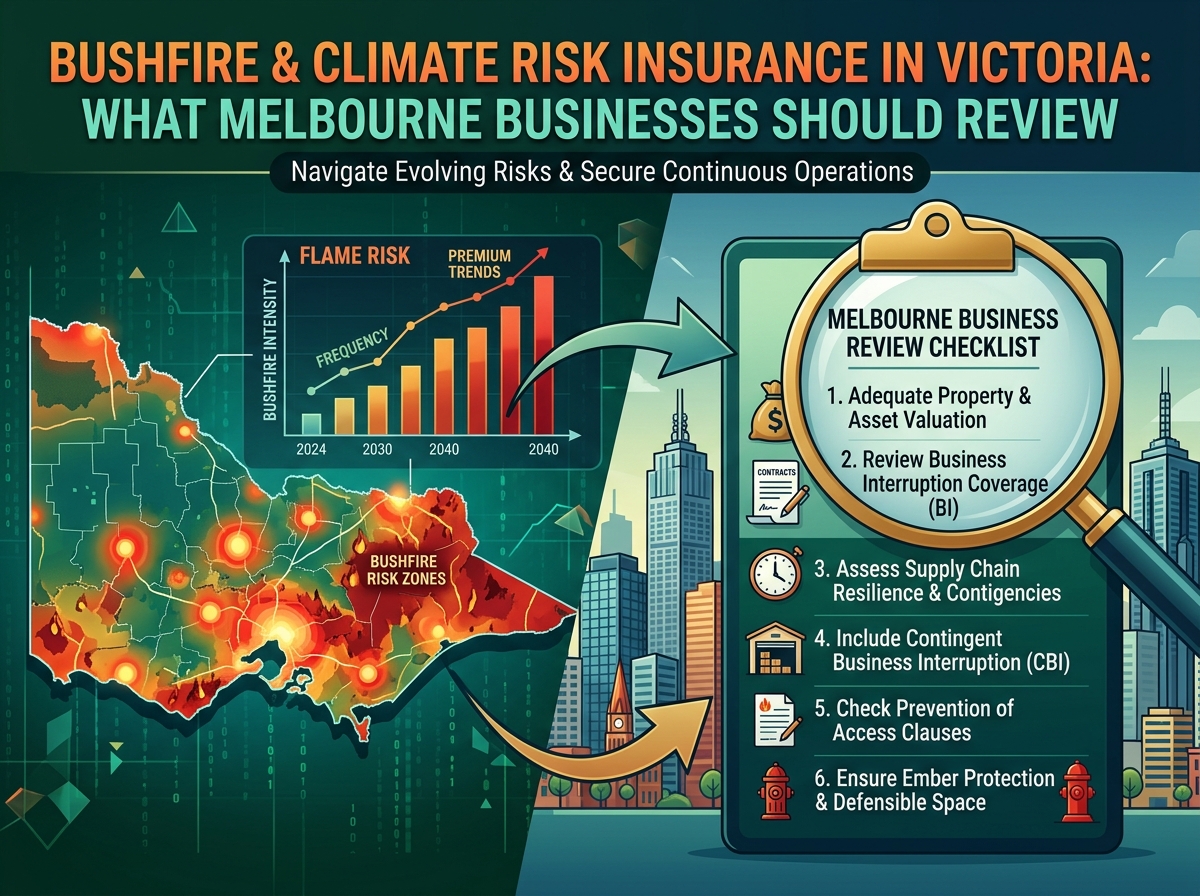
Bushfire & Climate Risk Insurance in Victoria: What Melbourne Businesses Should Review
.png)
Construction Insurance in Australia: What Every Builder, Tradie & Contractor Needs to Know

Cleaning Business Insurance Australia: Public Liability, Tools & Equipment Cover
A General Guide to Cargo & Marine Insurance

Types of Business Insurance: Liability & Directors Cover | Earnest Insurance

Sole Trader Public Liability Insurance | Costs & Cover
Everything You Need to Know About Small Truck Insurance

🏢 Commercial Property Insurance: What It Covers

Cafe & Coffee Shop Insurance

Insurance For Coffee Shops
.jpg)
Building & Construction Insurance Essentials
.jpg)

What you need to consider if you have a licensed venue

Insurance for the transport and logistics sector


What is really inside Business insurance?

Get in Touch
Have questions about insurance? Our expert brokers are here to help.