
Marine Cargo Insurance for Perishable Goods: Protecting Australia's Cold Chain

Introduction: Why Perishable Goods Need Specialised Cargo Protection
Transporting perishable goods across Australia and international markets requires careful planning. Fresh seafood, meat, dairy products, fruit, vegetables, pharmaceuticals and other temperature-sensitive products can lose their quality or become unusable when exposed to unsuitable conditions during transit.
A shipment may leave a supplier in excellent condition but arrive at its destination partially spoiled because of refrigeration failure, incorrect temperature settings, interrupted electricity supply or unexpected delays.
Marine cargo insurance helps businesses manage the financial risks associated with the loss of or damage to insured goods during covered transportation. However, businesses transporting refrigerated or frozen products need to pay particular attention to temperature-related exclusions, refrigeration breakdown conditions and the specific insurance extensions available.
For Australian importers and exporters, choosing the right marine cargo insurance involves more than selecting a policy with a high insured value. It means understanding how the goods are transported, which party is responsible at each stage and whether the policy addresses the specific risks associated with maintaining the cold chain.
For example, an Australian seafood distributor importing frozen products from overseas needs to consider risks during container loading, international shipping, port handling and final road delivery. A refrigeration failure at any stage could affect the entire shipment.
This guide explains how marine cargo insurance applies to perishable goods, what businesses should check when arranging cover and how to reduce the risk of costly cold-chain losses.
1. What Is Cold-Chain Transportation and Why Does It Matter?
Cold-chain transportation refers to the movement and handling of products under controlled temperature conditions to maintain their quality, safety and intended condition.
It is particularly important for businesses dealing with products that can deteriorate when exposed to unsuitable temperatures.
Common examples include:
- Fresh and frozen seafood.
- Meat, poultry and processed meat products.
- Milk, cheese, cream and other dairy products.
- Fresh fruit and vegetables.
- Frozen food and prepared meals.
- Pharmaceuticals and certain medical products.
- Temperature-sensitive ingredients used in food manufacturing.
These products do not all require the same temperature. Their transportation requirements depend on their characteristics, packaging, processing, storage instructions and applicable regulations.
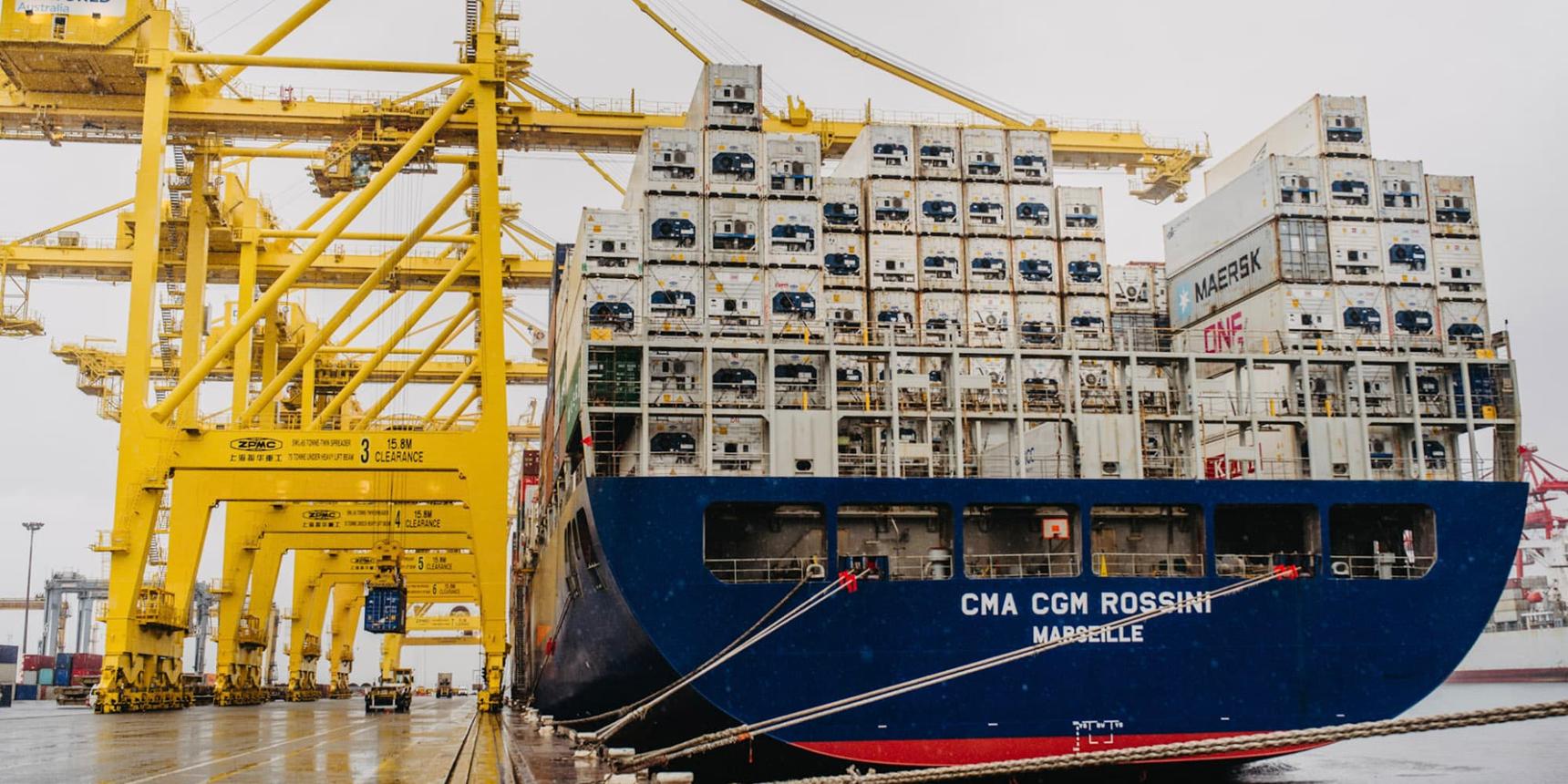
A refrigerated shipping container, commonly known as a reefer container, is designed to maintain specified temperature conditions during transportation.
However, having a refrigerated container does not automatically eliminate the risk of cargo damage.
A cold-chain shipment depends on multiple components working together. These include suitable packaging, pre-cooling, correct temperature settings, adequate ventilation, reliable power supply, monitoring equipment and appropriate handling procedures.
A problem with any one of these components can affect the condition of the shipment.
For Australian businesses, this means marine cargo insurance should be considered alongside practical cold-chain management procedures.
2. What Can Go Wrong During Refrigerated Cargo Transportation?
Many businesses associate cargo damage with accidents, container damage or theft. Temperature-sensitive cargo introduces additional risks that may not involve visible physical damage to the packaging.
Understanding these risks is important when reviewing cargo insurance coverage.
Refrigeration unit breakdown
A reefer container relies on refrigeration equipment to maintain the required environment.
Mechanical failure during transportation can cause temperatures to move outside the acceptable range. Depending on the cargo, even a relatively short interruption may affect its quality.
Businesses should ask whether their marine cargo insurance includes a specific refrigeration breakdown extension and what conditions must be satisfied for a claim.
Incorrect temperature settings
An incorrect temperature setting can create problems even when the refrigeration equipment is operating normally.
For example, frozen seafood and fresh produce have different storage requirements. Setting the container to an unsuitable temperature can compromise the shipment.
The temperature instructions provided by the supplier should be checked against the equipment settings before loading.
Electrical supply interruption
Refrigerated containers may depend on electrical connections at ports, terminals, vessels and other facilities.
An interruption in power supply may affect temperature control. The insurance implications will depend on the cause of the interruption and the policy's relevant extensions and exclusions.
Businesses should not assume that all power-related temperature losses are automatically covered.
Delays during international shipping
International shipments can experience port congestion, missed vessel connections, weather disruption and customs processing delays.
A delay does not automatically mean that the resulting deterioration is insured.
Many cargo policies treat delay and consequential losses differently from direct physical damage. Businesses carrying highly perishable products should examine this distinction before shipping.
Incorrect ventilation or humidity settings
Certain products require particular ventilation and humidity arrangements.
A container may remain at its programmed temperature while an unsuitable ventilation setting affects the cargo.
This is another reason to review the complete shipping instructions rather than focusing exclusively on the temperature displayed by the reefer equipment.
3. What Does Marine Cargo Insurance Cover for Perishable Goods?
The available cargo insurance coverage depends on the policy wording and any selected extensions.
Some policies provide broad protection against accidental physical loss or damage, subject to exclusions. Others cover specified events or have more restricted conditions for temperature-sensitive goods.
For perishable cargo, businesses should pay attention to the following areas.
Physical loss or damage
This may include covered physical damage arising from insured transportation incidents.
For example, an accident involving a container during transportation could damage packaged food products or agricultural goods.
The insurer will assess the incident against the applicable policy terms.
Temperature variation
Some policies or endorsements may provide protection for loss or damage caused by temperature variation.
However, temperature deviation is an important area to investigate separately.
Ask whether the policy responds to:
- Unexpected temperature increases.
- Unexpected temperature decreases.
- Incorrect refrigeration settings.
- Interrupted power supply.
- Mechanical or electrical breakdown.
- Failure of refrigeration equipment.
- Deterioration resulting from an insured temperature-related event.
The answer may differ between insurers and cargo types.
Refrigeration breakdown cover
A refrigeration breakdown extension can be particularly relevant to businesses transporting frozen or chilled products.
Such extensions may specify the types of mechanical failure covered, the required circumstances of the breakdown and other conditions.
Some specialist frozen or chilled food clauses use specific breakdown-duration requirements. These are not universal rules and should never be assumed to apply to every policy.
Theft or non-delivery
Some cargo policies may include protection for insured theft or non-delivery events, subject to their terms.
Businesses should check whether their particular products, transport arrangements and security procedures satisfy the relevant conditions.
General average and salvage
International shipping incidents may result in general average contributions or salvage-related expenses.
These are separate considerations from ordinary cargo deterioration. Check how the policy addresses such expenses and which supporting documents may be required.
The key point is that a general marine cargo policy should not automatically be treated as specialist refrigerated cargo insurance.
A business transporting perishable goods should tell its broker or insurer exactly what is being transported and how temperature control is maintained.
4. Why Reefer Container Insurance Requires Special Attention
Refrigerated containers play an important role in Australia's food supply chain and international trade.
They allow businesses to transport products over long distances while maintaining controlled conditions.
However, reefers introduce insurance considerations that may not apply to ordinary dry cargo.
Check the container before loading
Before cargo is loaded, the container should be inspected for cleanliness, damage and suitability.
Potential issues include:
- Damaged door seals.
- Contaminated internal surfaces.
- Faulty refrigeration components.
- Blocked airflow channels.
- Unsuitable container size or design.
- Evidence of previous cargo contamination.
A container that is unsuitable for the goods can create avoidable losses.
Confirm the set temperature
The required temperature should be agreed with the supplier and relevant transport parties.
Do not rely entirely on the temperature previously used for another product.
Different shipments may require different settings, even where the products appear similar.
Pre-cool products correctly
Refrigerated containers are generally designed to maintain the required cargo conditions rather than rapidly cool warm goods.
Products should be prepared and pre-cooled according to their requirements before loading.
The loading process should also minimise unnecessary exposure to unsuitable environmental conditions.
Do not obstruct airflow
The way products are packed inside a container affects air circulation.
Incorrect stacking can restrict airflow, creating temperature differences between areas of the container.
Shipping operator OOCL recommends using suitable containers, correct packaging, secure loading and checking reefer temperature, humidity and ventilation settings. It also advises against loading cargo above the container's red load line.
These practical steps can help reduce the likelihood of cargo damage.
You can review the shipping operator's cargo handling and claims guidance.
5. Australian Food Safety Requirements and Cargo Insurance
Businesses transporting food in Australia need to understand the difference between food safety obligations and insurance protection.
They are related, but they are not the same.
Food Standards Australia New Zealand (FSANZ) provides guidance on safe food transportation and temperature control.
Under the applicable food safety requirements, potentially hazardous food generally needs to be transported under temperature control. FSANZ identifies 5°C or colder for cold potentially hazardous food and 60°C or hotter for hot food, subject to recognised safe alternative systems.
Frozen potentially hazardous food intended to remain frozen must generally remain frozen hard during transportation.
These requirements are not a universal temperature specification for every commodity. Businesses must consider the characteristics of the products and applicable standards.
For example:
A seafood distributor transporting fresh seafood must follow suitable product-specific temperature controls.
A frozen food importer must ensure that the product remains frozen throughout the relevant handling and transportation stages.
A pharmaceutical distributor may need specialised temperature monitoring and handling procedures based on the product manufacturer's requirements.
It is also important to understand that complying with food safety standards does not automatically establish that a loss is covered by an insurance policy.
Similarly, an insurance policy does not remove a business's responsibility to comply with applicable food safety requirements.
Useful Australian resources include:
Australian food importers should also account for relevant biosecurity and import requirements when planning shipments.
6. Understanding Cargo Insurance Exclusions for Temperature-Sensitive Products
One of the most important parts of arranging marine cargo insurance is understanding what the policy does not cover.
A business may have a substantial cargo insurance limit but still encounter difficulties if the cause of deterioration falls within an exclusion.
Here are some areas to examine.
Inadequate packaging: Damage caused by packaging that is unsuitable for the nature of the cargo or expected journey may be excluded.
Inherent vice: This concerns deterioration arising from the natural characteristics of the goods themselves rather than an insured external event.
Ordinary deterioration: Normal deterioration, ordinary leakage or natural loss in weight or volume may be excluded.
Delay: Financial losses caused by delivery delays are not automatically covered, even where the goods eventually become unsaleable.
Mechanical breakdown: Equipment failure may require a specific extension or may be subject to conditions.
Improper preparation: Products that were not pre-cooled, handled or prepared appropriately may create coverage issues.
Contamination: Contamination may be subject to separate wording, exclusions or conditions.
Regulatory rejection: Goods rejected by customs or a regulatory authority because of non-compliance are not automatically covered as a cargo damage claim.
An importer of frozen seafood, for example, should not assume that an ordinary marine cargo policy will pay for every shipment rejected after a refrigeration incident.
Ask the insurer or broker how the policy addresses the particular cause of loss and what evidence will be needed.
7. Practical Example: An Australian Seafood Importer Experiences a Cold-Chain Failure
Consider a hypothetical Australian seafood importer receiving a frozen shipment from an overseas supplier.
The shipment is transported in a refrigerated container and is expected to arrive at an Australian port before being delivered to the importer's warehouse.
During transportation, a refrigeration equipment fault occurs.
The monitoring records show a temperature increase, and the importer discovers that part of the cargo has deteriorated.
The business may experience several financial concerns:
- Reduced or lost value of the seafood.
- Disposal or reconditioning expenses.
- Additional handling and inspection costs.
- Disputes with the supplier or freight carrier.
- Delays in supplying customers.
- Potential regulatory or food safety issues.
The importer needs to investigate what happened and whether the insurance policy responds.
The relevant questions include:
- Was the refrigeration fault caused by an insured event?
- Does the cargo policy include a suitable breakdown or temperature variation extension?
- Was the cargo correctly prepared and pre-cooled?
- Were the refrigeration settings appropriate?
- Are temperature records available?
- Was the insurer notified promptly?
- Can the importer establish the extent and value of the loss?
This example illustrates why identifying the cause of damage is often just as important as proving the value of the goods.
A policy with an appropriate temperature-related extension may provide protection that a more general cargo arrangement does not.
8. What Documentation Should You Keep for a Marine Cargo Insurance Claim?
Good documentation can make it easier to investigate a cargo incident and establish what happened during transportation.
Businesses handling perishable goods should maintain a reliable record of every shipment.
Important documents may include:
Document or recordWhy it mattersCommercial invoiceEstablishes goods and declared valuePacking listIdentifies products and quantitiesBill of lading or air waybillRecords the transportation arrangementInsurance certificateIdentifies the relevant insurance detailsReefer temperature recordsHelps establish temperature conditionsContainer inspection recordsDocuments the equipment's conditionLoading photographsProvides evidence of loading and packagingDelivery inspection reportRecords the cargo condition on arrivalSupplier correspondenceHelps establish handling and product requirementsDamage assessmentHelps quantify the apparent loss
Digital temperature monitoring can be particularly useful.
Where available, businesses should retain data logger records and relevant equipment alarms showing temperature changes during transportation.
For reefer cargo, operators may also need information about humidity, ventilation and power interruptions.
These records do not guarantee a successful claim, but they can help establish the circumstances of a loss.
9. What Should You Do When Perishable Cargo Arrives Damaged?
A temperature-related cargo incident requires a timely and organised response.
The first priority should be protecting people and preventing further loss. Food safety and any relevant regulatory requirements must also be followed.
The following process can help businesses manage the situation.
Step 1: Inspect the shipment
Check the condition of the container, seals and packaging.
For refrigerated cargo, record the displayed temperature and available reefer settings.
Compare the actual conditions with the agreed transportation instructions.
Step 2: Notify the relevant parties
Contact the insurer or broker promptly and notify the carrier or freight forwarder in writing where appropriate.
Follow all applicable notification and claims requirements.
Step 3: Preserve temperature records
Download and retain available temperature logs, reefer records, alarm histories and monitoring information.
Keep copies of the relevant shipping documents.
Step 4: Document the damage
Photograph affected cargo, damaged packaging and relevant container conditions.
Record the number of affected cartons, pallets or units where possible.
Step 5: Take reasonable steps to minimise further loss
Do not allow avoidable deterioration to continue.
However, do not distribute or dispose of potentially unsafe food. Follow applicable food safety requirements, and obtain the insurer's claims instructions before disposal or reconditioning where practical.
Step 6: Retain supporting invoices
Keep inspection, storage, reconditioning, transport and disposal invoices where relevant.
These records may be needed when assessing the financial extent of a claim.
The carrier's claims process and the insurer's claims process are separate. A carrier's liability is not the same as marine cargo insurance, so businesses should notify both parties as appropriate.
10. How to Choose Marine Cargo Insurance for Your Business
The right marine cargo insurance should reflect the products being transported, the journey, the business's contractual obligations and the risks that could result in financial loss.
Before requesting a quote, prepare the following information:
Type of goods: Identify the products, including whether they are chilled, frozen, fragile or otherwise sensitive.
Shipment value: Provide accurate values and explain the basis on which the goods are valued.
Shipping routes: Include origin, destination, ports, connecting transport and relevant storage locations.
Transport frequency: Explain whether shipments occur occasionally, monthly or throughout the year.
Temperature requirements: Provide the required temperature ranges, monitoring arrangements and any special handling instructions.
Packaging arrangements: Describe how products are packed, protected and loaded.
Existing insurance: Provide details of any current marine cargo or goods-in-transit insurance.
Contractual responsibilities: Identify the applicable sales terms and who is responsible for arranging insurance.
Annual marine cargo insurance or single-shipment cover?
Businesses importing or exporting frequently may wish to consider an annual marine cargo insurance arrangement, subject to the insurer's terms and eligibility requirements.
An annual policy may provide a more convenient arrangement for businesses with regular shipments, but declaration requirements, shipment limits and reporting obligations still need to be understood.
Businesses transporting goods occasionally may instead consider single-transit cover for a particular shipment.
The appropriate option depends on trading frequency, cargo values, routes and available insurance products.
11. Why Australian Importers and Exporters Should Review Their Marine Insurance
Australia relies on domestic freight networks and international shipping to move products between suppliers, manufacturers, distributors and customers.
Businesses trading in food, agricultural products, seafood and temperature-sensitive goods can face risks throughout these interconnected supply chains.
An Australian company importing refrigerated products may need to consider international marine cargo insurance as well as the land-based transportation stages after arrival.
Similarly, an exporter selling chilled or frozen products overseas must understand when responsibility and risk transfer to the buyer and whether insurance has been properly arranged.
The International Chamber of Commerce's Incoterms 2020 rules help define responsibilities between buyers and sellers.
For example, CIF and CIP include seller obligations relating to insurance, but the required levels differ. Neither term replaces the need to review the actual insurance policy.
You can consult the International Chamber of Commerce's Incoterms 2020 guidance for further information.
Businesses should make sure their sales contracts, freight arrangements and insurance policies work together rather than assuming that one automatically provides the protection required under another.
12. Arrange Marine Cargo Insurance with Earnest Insurance
Selecting suitable cargo insurance can be challenging when a shipment involves several transport providers, different countries, refrigerated equipment and specialised handling requirements.
Earnest Insurance provides marine insurance options for Australian businesses, including cargo, vessels and maritime-related operations.
Businesses involved in importing, exporting, freight forwarding and logistics can discuss their requirements and compare available policy features.
When discussing marine cargo insurance, explain whether your business handles:
- Chilled or frozen food products.
- Seafood and agricultural goods.
- Imported machinery and commercial equipment.
- Temperature-sensitive products.
- International container shipments.
- Domestic transportation connected to international freight.
Providing accurate information helps establish which insurance options may be appropriate and what conditions need to be reviewed.
Visit the Earnest Insurance Marine Insurance page to learn more.
You can also contact the team on 1300 402 412 to discuss your marine insurance requirements.
Frequently Asked Questions About Marine Cargo Insurance
Does marine cargo insurance cover refrigerated goods?
Some marine cargo insurance policies can cover refrigerated and temperature-sensitive goods. However, refrigeration breakdown, temperature variation and spoilage may be subject to specific exclusions, conditions or additional extensions. Always confirm the treatment of these risks before shipment.
What is reefer breakdown insurance?
Reefer breakdown protection refers to insurance arrangements addressing covered losses associated with the failure of refrigeration equipment in refrigerated containers or other approved equipment. The exact coverage depends on the policy and any applicable endorsements.
Does cargo insurance cover food spoilage during shipping?
Food spoilage may be covered when it results from a cause insured under the policy. However, deterioration arising from delay, inadequate packaging, inherent vice or certain temperature-related events may be excluded. Check the relevant policy wording.
Is marine cargo insurance required for importing food into Australia?
Whether insurance is required depends on contractual arrangements and the applicable Incoterms rule. Even when insurance is not contractually required, importers should consider the financial exposure associated with loss or damage during transportation.
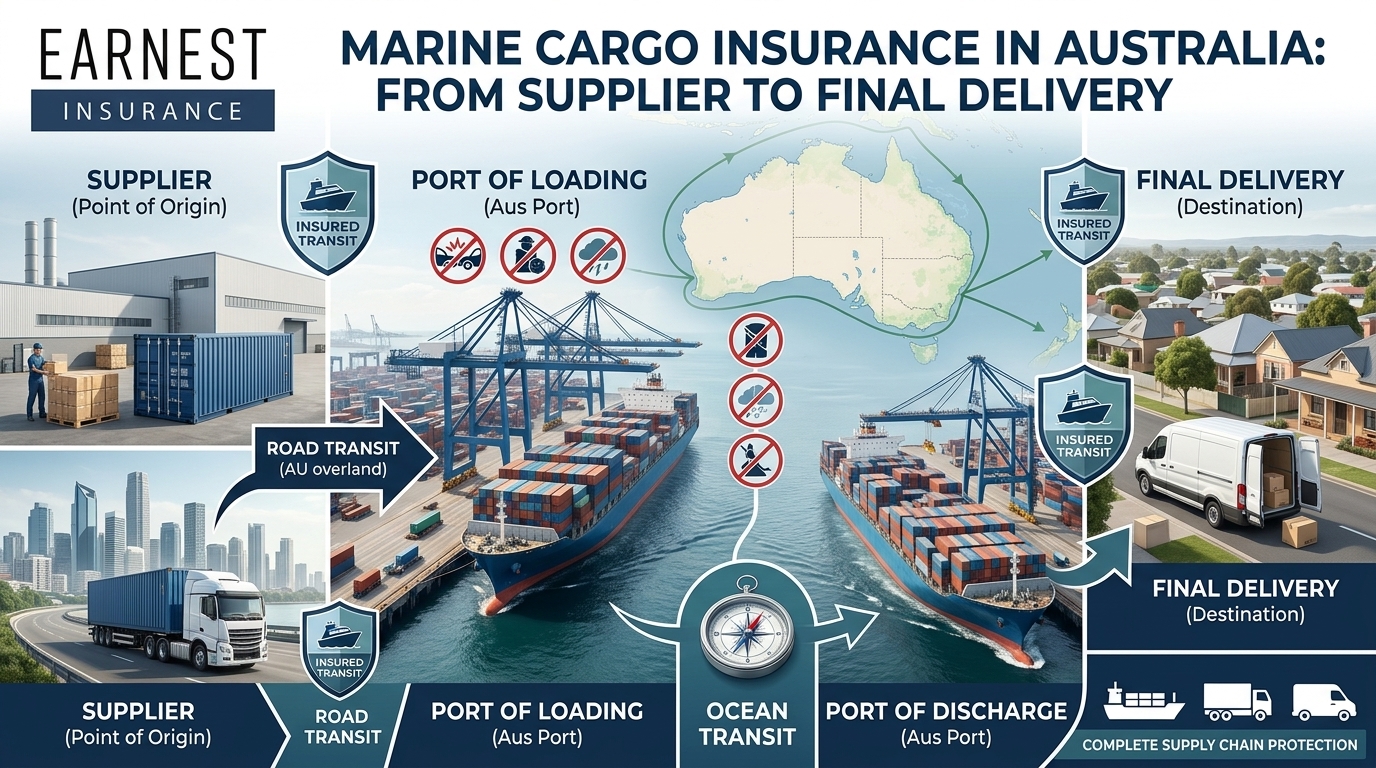
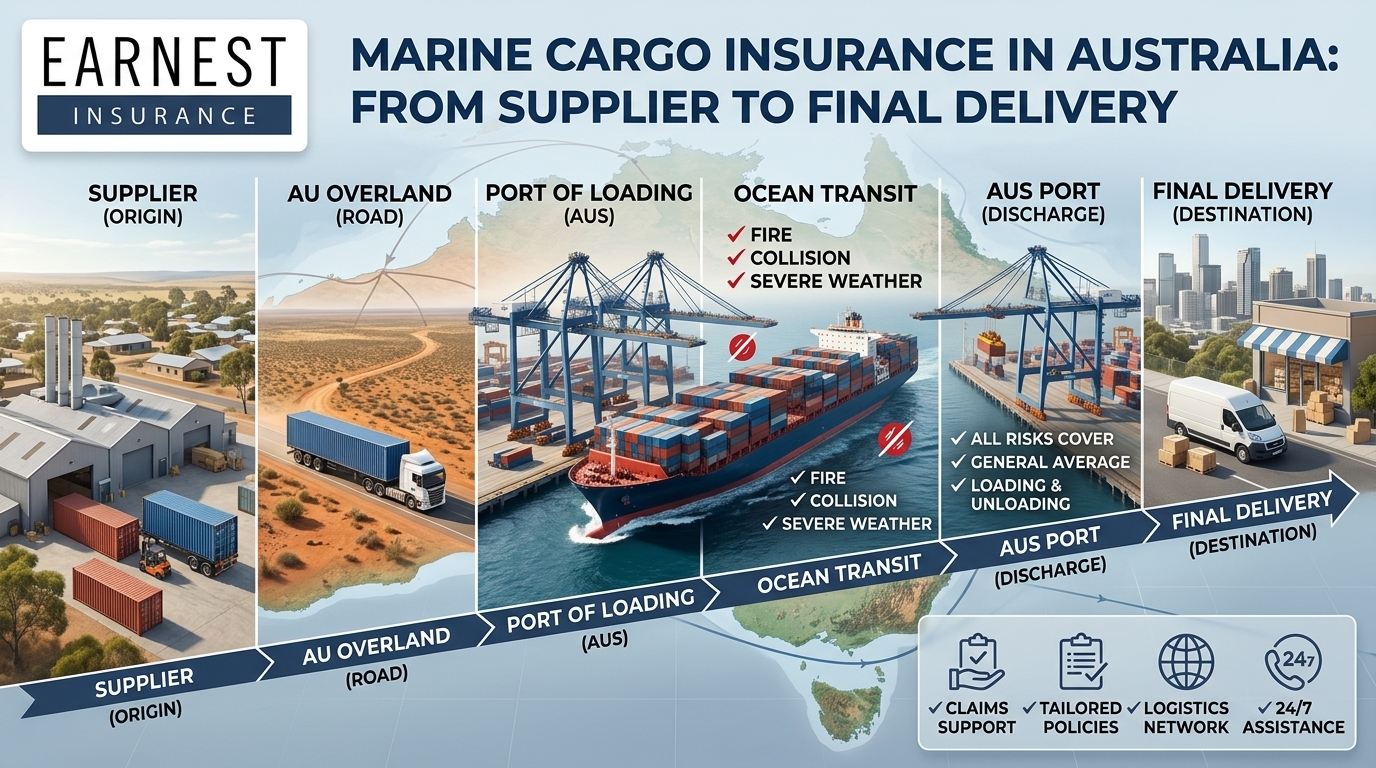
Can marine cargo insurance cover goods transported by road and sea?
Some policies can cover multimodal transportation involving sea, road, rail and air freight. The journey must fall within the insured transit and policy conditions. Confirm whether connecting transport and temporary storage are included.
What is the difference between marine cargo insurance and refrigerated truck insurance?
Marine cargo insurance protects an insured interest in goods during covered transit. Refrigerated truck insurance generally relates to the commercial vehicle and its specified risks. Cargo, vehicle and refrigeration equipment protection may require separate policies or extensions.
What documents are needed for a marine cargo insurance claim?
Relevant documents may include commercial invoices, packing lists, shipping documents, insurance certificates, temperature logs, inspection reports, photographs and damage assessments. The insurer may request additional evidence depending on the incident.
Can Australian businesses arrange annual marine cargo insurance?
Annual arrangements may be available for businesses with regular import or export shipments. Eligibility, declarations, cargo limits, geographical scope and policy conditions vary by insurer.
Conclusion: Protect Your Cold Chain Before the Next Shipment
Perishable goods require more attention than ordinary dry cargo. A refrigeration failure, incorrect temperature setting, interrupted power supply or handling issue can affect an entire shipment and create substantial financial consequences for an importing or exporting business.
Marine cargo insurance can help businesses manage specified risks associated with transporting insured goods, but the details matter.
Before arranging cover, check how the policy treats refrigeration breakdown, temperature variation, spoilage, storage, delays and connecting transportation. Keep accurate shipment records and establish clear responsibilities between suppliers, freight partners and buyers.
For Australian seafood suppliers, food distributors, manufacturers, wholesalers and international traders, an informed insurance review is an important part of managing supply-chain risk.
Speak with Earnest Insurance about your marine cargo insurance requirements.
Visit www.earnestinsurance.com.au or call 1300 402 412 to discuss available marine insurance options.
Important information: This article provides general information only and does not take into account your objectives, financial situation or needs. Insurance availability, terms, conditions, exclusions, limits and extensions vary by insurer and policy. Temperature-related losses are not automatically covered. Read the applicable Product Disclosure Statement and policy wording and consider whether the insurance is appropriate for your circumstances before making a decision.
Subscribe to our newsletter
Related posts
More Blog Posts
Marine Cargo Insurance for Perishable Goods: Protecting Australia's Cold Chain
Marine Cargo Insurance in Australia: From Supplier to Final Delivery

Is Your Business Properly Insured? 10 Insurance Gaps Australian Businesses Should Check Before Renewal


How to Choose the Right Business, Construction, Truck, Bus and Marine Cargo Insurance in Australia


How to Choose the Right Business, Construction, Truck, Bus and Marine Cargo Insurance in Australia


How Much Is Public Liability Insurance in Melbourne? A 2026 Guide for Businesses


Business Insurance Broker Melbourne: How to Choose the Right Cover for Your Business


Business Insurance Broker Melbourne: How to Choose the Right Cover for Your Business

Insurance Broker Melbourne: How to Choose the Right Insurance Broker in 2026
Truck Insurance Quote in 2026: How Telematics and AI Safety Technology Are Changing Truck Insurance in Melbourne


Truck Insurance Quote in 2026: What Melbourne Truck Operators Need to Know


Truck Insurance Quote: A Complete Guide to Truck Insurance in Melborune Australia
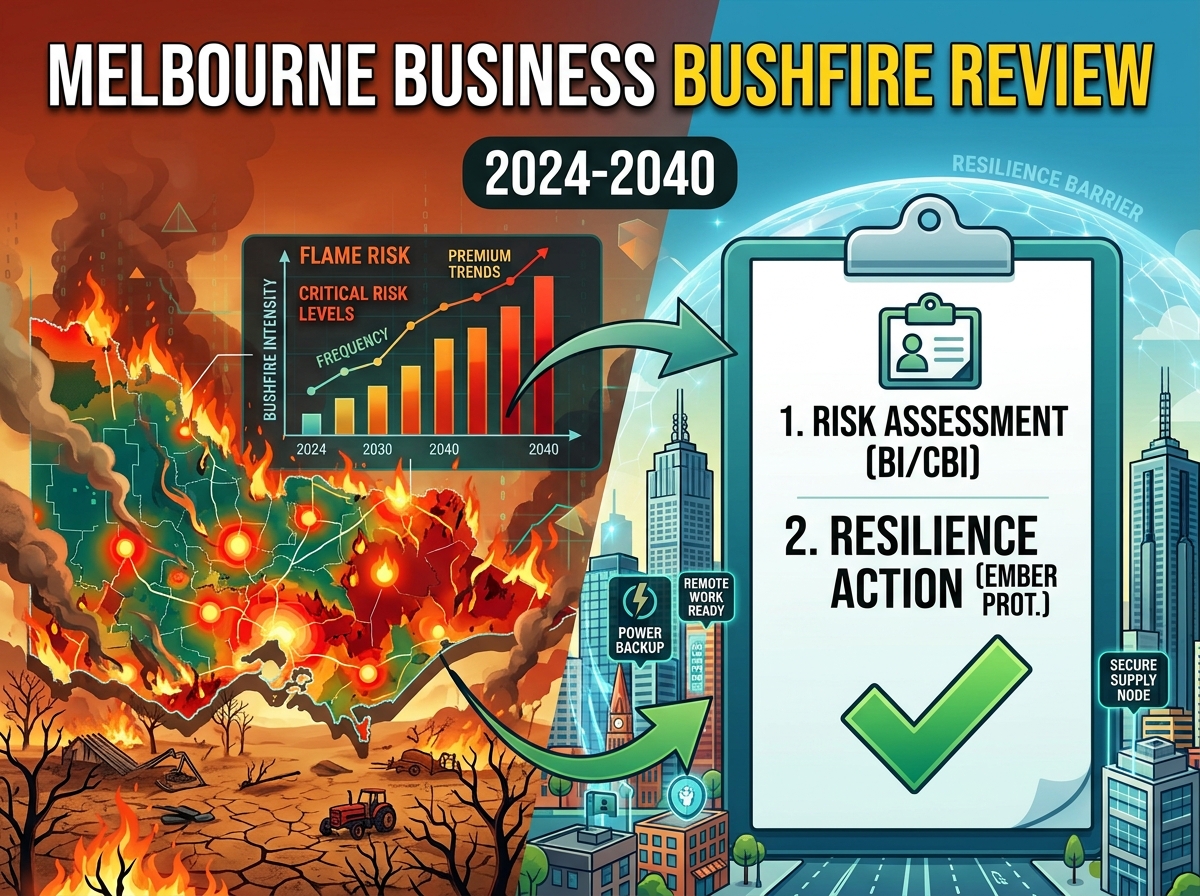
Bushfire & Climate Risk Insurance in Victoria: What Melbourne Businesses Should Review

Construction Insurance in Australia: What Every Builder, Tradie & Contractor Needs to Know


Cleaning Business Insurance Australia: Public Liability, Tools & Equipment Cover

A General Guide to Cargo & Marine Insurance

Types of Business Insurance: Liability & Directors Cover | Earnest Insurance

Sole Trader Public Liability Insurance | Costs & Cover

Everything You Need to Know About Small Truck Insurance

🏢 Commercial Property Insurance: What It Covers

Cafe & Coffee Shop Insurance

Insurance For Coffee Shops

Building & Construction Insurance Essentials


What you need to consider if you have a licensed venue

Insurance for the transport and logistics sector


What is really inside Business insurance?

Get in Touch
Have questions about insurance? Our expert brokers are here to help.