
How to Choose the Right Business, Construction, Truck, Bus and Marine Cargo Insurance in Australia


Author: Earnest Insurance Editorial Team
Category: Business Insurance / Commercial Insurance
Target audience: Australian business owners, builders, contractors, transport operators, fleet managers, importers and exporters.
Running a business in Australia means managing risks that can affect your vehicles, equipment, employees, customers, goods and cash flow. The right insurance can help protect your business against covered losses, but choosing suitable policies requires an understanding of how your business operates and where its greatest risks lie.
The best insurance approach is to match your coverage to your actual business activities, assets, contractual obligations and potential liabilities. Building and construction insurance can help protect projects and contractors, truck insurance can cover specified commercial vehicle risks, bus insurance can address fleet-related exposures, and marine cargo insurance can protect goods during insured transit. These policies serve different purposes, so one should not be assumed to replace another.
Whether you are looking for an insurance broker in Melbourne, a business insurance broker in Townsville, national truck insurance, or cargo insurance coverage for Australian freight operations, comparing policy terms is an important first step.
Earnest Insurance helps Australian individuals and businesses explore insurance options across a range of industries. Understanding the available cover before requesting a quote can make it easier to identify potential gaps and ask the right questions.
Why Australian Businesses Need the Right Insurance Strategy
Two businesses operating in the same industry can have very different insurance needs.
A residential builder may need protection for construction works, tools, equipment and public liability. A national freight operator may need commercial motor insurance for several vehicles, cover for trailers and separate protection for goods in transit. A bus operator must also consider risks associated with passengers, drivers, routes and daily fleet operations.
The starting point is to identify what your business owns, what it transports, which services it provides and what it could be held legally responsible for.
Common insurance considerations include:
- Damage to business premises, equipment, stock or other insured property.
- Claims involving injury to third parties or damage to their property.
- Loss or damage involving commercial vehicles.
- Damage to goods while being transported.
- Professional errors or omissions, where applicable.
- Interruption to business operations following an insured event.
- Contractual insurance requirements imposed by customers, landlords or project owners.
Not every business needs every type of cover. Requirements can also arise from legislation, contracts, licensing conditions or the specific risks associated with an occupation. The Australian Government's business insurance guide provides a useful overview of common insurance categories and their purposes.
The goal is to establish a suitable mix of cover rather than simply purchasing the largest policy package or selecting the lowest premium.
Building and Construction Insurance: Protecting Projects and Contractors
Construction businesses deal with changing worksites, expensive materials, specialised equipment, subcontractors and project deadlines. An unexpected event can affect more than the cost of repairing physical damage. It may also create contractual disputes, additional expenses or delays.
Building and construction insurance refers to insurance arrangements designed to address risks associated with building projects and construction-related activities. The precise coverage depends on the policies selected, the project and the policy wording.
What can building and construction insurance include?
Depending on the circumstances and the insurer, businesses may consider the following options.
Contract works insurance: This can cover specified construction works and materials against insured physical loss or damage during the relevant period. The contract works policy must be checked for exclusions, project limits and when cover begins and ends.
Public liability insurance: This can help cover a business's legal liability for covered third-party injury or property damage arising from its activities. For example, a contractor may face a claim after accidentally damaging a neighbouring property while undertaking site work.
Tools, plant and equipment insurance: Contractors often depend on tools, machinery and equipment to complete jobs. Appropriate cover can help manage financial losses arising from insured damage, theft or other specified events.
Professional indemnity insurance: Builders, consultants, designers and other professionals who provide advice or design-related services may need to consider professional indemnity cover. Its relevance depends on the services performed and the liability exposures involved.
Commercial motor insurance: Utes, trucks and other vehicles used for business purposes may require separate commercial vehicle cover.
A construction business should not assume that all these protections are automatically included in one building and construction insurance policy.
Example: A contractor working on multiple projects
Imagine a contractor managing two building projects while keeping equipment at a separate storage location. A storm damages materials at one site, and equipment is subsequently stolen from the storage area.
The contractor may need to establish whether the construction materials and equipment fall within the scope of the relevant policies. The answer could depend on their insured locations, the stage of construction, security requirements, excesses and exclusions.
Before purchasing cover, contractors should provide accurate project values, describe their usual activities and disclose relevant subcontracting arrangements.
For more information about available options, visit Earnest Insurance's Building and Construction Insurance page.
Marine Cargo Insurance and Cargo Insurance Coverage
Businesses that import, export, manufacture or distribute products often face risks while goods move between suppliers, warehouses, ports and customers.
Marine cargo insurance can protect insured goods against specified loss or damage during covered transit. Despite its name, a marine cargo policy may cover more than the sea voyage, depending on its wording and the agreed transit arrangements.
For Australian businesses, the important question is not simply whether cargo insurance is available. It is whether the selected policy reflects the goods being shipped, the routes involved and the responsibilities of the parties arranging the transport.
What does cargo insurance coverage include?
Depending on the policy, cargo insurance coverage may address:
- Physical loss of or damage to insured goods during covered transit.
- Goods transported by sea, air, road or a combination of transport methods, where included.
- Certain losses associated with handling, loading or unloading, subject to policy terms.
- Specified risks affecting imported or exported stock.
- Transit involving nominated warehouses or temporary storage, where agreed.
Coverage is not unlimited. Theft, poor packaging, inherent defects, delays, inadequate documentation and other circumstances may be excluded or subject to particular conditions. The treatment of each risk depends on the policy wording.
Businesses should also distinguish cargo insurance from carrier liability. A freight carrier's liability for lost or damaged goods may be limited by legislation, contract terms or other conditions. A business should not assume that a carrier will reimburse the full value of every shipment.
How to assess your cargo insurance needs
Before arranging cover, consider the following questions.
What is the value of the shipment? Identify how goods are valued under the policy and whether freight, duties or other costs are included.
What route will the goods follow? Domestic road transport, international shipping and multimodal journeys can involve different exposures.
Who is responsible for the goods at each stage? Purchase contracts and agreed Incoterms can help establish how transport responsibilities and risk are allocated between buyers and sellers. They do not replace the need to check the insurance arrangements themselves.
Are loading, unloading and storage included? Confirm whether cover continues during handling, temporary storage, transhipment or other stages of the journey.
Are there specific requirements for the cargo? Fragile, perishable, high-value or specialised goods may require particular conditions or arrangements.
Example: An Australian importer receiving damaged goods
Suppose an Australian retailer imports electronic equipment. The shipment arrives with some cartons visibly damaged, and the retailer discovers that several items cannot be sold.
The importer should document the damage, preserve relevant packaging and shipping records, notify the appropriate parties promptly and follow the insurer's claims procedure. The policy's terms will determine whether the damage is covered and what evidence is required.
For additional information about insurance options, visit Earnest Insurance's Marine Insurance page. Businesses can also consult the Insurance Council of Australia's marine cargo insurer directory when researching the market.
National Truck Insurance for Australian Transport Businesses
Trucks are essential to Australia's supply chains, connecting manufacturers, wholesalers, construction sites, distribution centres and customers. For transport businesses, a vehicle accident or other insured loss can result in repair costs, operational disruption and contractual pressure.
National truck insurance is a useful search term for operators looking to arrange commercial truck cover for vehicles working across Australia. The important consideration is whether the policy reflects the vehicles, drivers, cargo arrangements and routes involved.
An owner-driver operating one rigid truck has different requirements from a transport company managing a fleet of prime movers, trailers and delivery vehicles.
What should a truck insurance policy address?
Depending on the selected policy, important considerations may include:
Accidental damage and theft: Confirm the circumstances in which the insured truck is covered and how the insurer calculates a settlement.
Commercial motor liability: Check the policy's treatment of liability for damage to third-party property arising from the use of the insured vehicle.
Trailers and attached equipment: Establish which trailers, accessories and specialised equipment are insured and whether they require separate arrangements.
Goods in transit: Do not assume that insuring the truck automatically insures the goods it carries. Cargo and goods-in-transit protection should be checked separately.
Downtime and additional expenses: If a vehicle is unavailable following an insured incident, consider whether any optional benefits address replacement transport, business interruption or other specified costs.
Vehicle usage and routes: Describe the actual work performed, including interstate operations, regular freight routes and any specialised activities.
Compulsory Third Party (CTP) insurance is also important for registered vehicles, subject to Australia's state and territory arrangements. CTP is primarily concerned with covered personal injury liability; it should not be treated as comprehensive cover for damage to the truck, third-party property or transported cargo.
Choosing a truck insurance broker in Melbourne
If you are searching for a truck insurance broker in Melbourne, look for a broker who understands commercial transport operations and can explain differences between available policy options.
Useful questions include:
- Are the vehicle details, declared values and business activities accurately represented?
- Does the policy reflect interstate travel and the actual operating radius?
- Are trailers, accessories and specialised equipment addressed?
- Is cargo cover arranged separately where required?
- What excesses, exclusions and claims conditions could affect a settlement?
Businesses operating outside Melbourne may have similar questions when comparing national truck insurance options. Policy suitability should be assessed against the business's actual operations rather than its office location alone.
Explore the available options through Earnest Insurance's Truck Insurance page.
Bus Insurance Australia: Cover for Bus and Coach Operators
Bus and coach operators carry responsibilities that extend beyond maintaining a roadworthy vehicle. School transport, charter services, tourism operators, staff shuttles and passenger transport businesses can face different operational exposures.
Bus insurance in Australia can help businesses manage specified vehicle and liability risks, but the policy needs to reflect how the vehicle is used.
A commercial passenger vehicle used for regular routes may have different requirements from a coach used for interstate tourism. Fleet size, vehicle values, passenger capacity, operating locations and driver arrangements can all influence the insurance discussion.
What should bus operators consider?
Vehicle damage: Review cover for accidental damage, theft and other insured events affecting the bus or coach.
Third-party liability: Understand the liability cover provided by the relevant policies, including the distinction between compulsory injury cover and other legal liability exposures.
Passenger-related risks: Check that the insurance arrangements reflect the passenger services being provided and any relevant contractual requirements.
Fleet management: Businesses operating multiple vehicles should ensure schedules, insured values and changes to the fleet are properly documented.
Business interruption and replacement arrangements: Determine whether any policy benefits address specified additional expenses or income-related losses following an insured event. These benefits are not automatic across all policies.
Specialist vehicle use: Charter services, school transport, tourism, accessible transport and other specialised activities should be accurately disclosed.
Example: A coach temporarily taken off the road
A coach company experiences an accident involving one of its vehicles during a busy travel period. Even if repairs are covered, the operator may still need to manage replacement transport, customer bookings and contractual commitments.
Having appropriate insurance is only one part of the response. The operator should understand which additional expenses, if any, the policy covers and maintain a practical plan for managing disruptions.
Businesses researching Australian bus and truck insurance should compare their needs carefully rather than assuming that a standard commercial motor policy will address every operational risk.
Learn more on Earnest Insurance's Bus and Coach Insurance page.
Finding an Insurance Broker in Melbourne or Townsville
Choosing an insurance broker involves more than searching for a nearby office or the lowest advertised price. A useful broker relationship begins with understanding the business and identifying the risks that need to be addressed.
For businesses seeking an insurance broker in Melbourne, relevant considerations might include construction projects, professional services, commercial property, motor fleets or supplier contracts.
A business searching for a business insurance broker in Townsville may need to consider the requirements of local contractors, transport operators, regional suppliers or businesses working across North Queensland.
Geography can influence exposure. For example, businesses operating in areas exposed to cyclones, severe storms or flooding should describe their locations and building characteristics accurately. The insurer's terms, property details and risk assessment will determine the cover available.
What to look for in a broker
Industry understanding: The broker should understand the business activities being insured, not simply its broad industry category.
Clear policy explanations: Ask for a plain-language explanation of the main cover sections, limits, exclusions, conditions and excesses.
Meaningful comparisons: A useful comparison examines differences in coverage, not just premium amounts.
Claims support: Understand what assistance the broker provides during a claim and which responsibilities remain with the policyholder or insurer.
Transparent documentation: Review the relevant disclosure documents, policy wording and information about the brokerage before making a decision.
Appropriate authorisation: Check relevant licensing and authorisation details where applicable. ASIC provides a professional registers search for checking registered or licensed businesses and individuals.
Earnest Insurance lists its Melbourne services and provides insurance options for businesses across Australia. You can review the Business Insurance page to explore available options and request a discussion about your requirements.
How to Compare Insurance Without Focusing Only on Price
A low premium can look attractive at renewal, especially when operating costs are increasing. However, the cheapest quote may not provide the coverage, limits or conditions a business requires.
A more reliable approach is to compare the same information across policies.
Step 1: Prepare an accurate business profile
List your business activities, annual turnover where relevant, staff, locations, vehicles, equipment, contracts and transported goods. Include activities that may be outside your main line of work.
Step 2: Identify required insurance
Check applicable legal requirements, project specifications, lease conditions, customer contracts and finance agreements. Different obligations may apply to different parts of your operation.
Step 3: Compare cover and exclusions
Review sums insured, liability limits, excesses, sublimits, territorial restrictions and important exclusions. Ask whether particular activities or property require separate cover.
Step 4: Understand the claims process
Find out how claims are notified, what records are required and whether the policy includes any relevant emergency or additional-expense benefits.
Step 5: Review cover when the business changes
New vehicles, larger projects, new freight routes, higher stock values or additional employees may change the risk profile. Review the insurance arrangements after material business changes and at renewal.
Where Does Top Rated Car Insurance Fit In?
The phrase top rated car insurance is commonly used by drivers comparing personal vehicle policies. However, a high customer rating or an attractive price does not necessarily mean that a policy is suitable for every driver or vehicle.
Private car insurance and commercial motor insurance should be assessed according to how the vehicle is used.
For a personal vehicle, a comparison may include comprehensive cover, third-party property damage, excesses, agreed or market value, exclusions and any optional benefits.
For a vehicle used to carry goods, transport passengers or conduct other business activities, it is essential to disclose that use and confirm that the policy permits it.
A personal comprehensive policy should not automatically be assumed to cover a commercial truck, a passenger bus or business-related cargo.
When comparing top rated car insurance options, check the actual policy terms, the claims process and whether the coverage suits your circumstances. Star ratings and customer reviews can inform your research, but they are not substitutes for reading the policy documents.
For businesses, the same principle applies across construction, trucking, buses and cargo: suitability matters more than a broad claim that a policy is the best.
Frequently Asked Questions About Business and Commercial Insurance
What does building and construction insurance cover?
Building and construction insurance may cover specified construction works, materials, equipment and liability exposures, depending on the policies arranged. Some businesses also need separate professional indemnity, commercial motor or other specialist cover. Always check the policy wording, exclusions and project requirements.
What is marine cargo insurance in Australia?
Marine cargo insurance helps protect insured goods against specified loss or damage during covered transit. Depending on the policy, this may involve international shipping, domestic transport or multimodal journeys. Cover can vary according to the goods, route, valuation method and policy conditions.
Does truck insurance automatically include cargo insurance coverage?
Not necessarily. A truck policy generally addresses specified risks associated with the insured commercial vehicle. Goods in transit or marine cargo insurance addresses insured goods and their transit risks. Businesses should verify whether the required cargo protection is provided separately.
Is CTP insurance enough for a truck or bus?
No. CTP primarily addresses covered personal injury liability arising from vehicle use. It does not, by itself, provide comprehensive protection for vehicle damage, transported goods or every other liability exposure. Additional cover should be considered according to the vehicle's use and applicable requirements.
Can a business arrange truck or bus insurance across Australia?
Businesses can explore commercial vehicle insurance options for operations across Australia. The chosen insurer and policy must accept the relevant vehicles, operating locations, routes and activities. Interstate operations and changes in use should be disclosed accurately.
How do I choose a business insurance broker in Townsville or Melbourne?
Look for a broker who understands your industry, explains policy terms clearly, compares meaningful alternatives and outlines the assistance available during claims. Confirm relevant authorisations where applicable and evaluate coverage, exclusions and excesses alongside price.
How can I find top rated car insurance?
Start by comparing policies that suit your vehicle, usage and personal circumstances. Look at the actual cover, excess, exclusions, insured value, customer service information and claims arrangements. Ratings may help you shortlist providers, but they do not establish which policy is most suitable for you.
Protect Your Business with a More Informed Insurance Decision
Insurance planning is most effective when it reflects the way a business actually operates. Construction contractors need to consider projects, equipment and liability exposures. Importers and exporters should evaluate the journey their goods travel. Truck and bus operators need policies that reflect their vehicles, drivers, routes and commercial activities.
The right approach is to identify the risks first, review the relevant policy options and confirm the details that matter before purchasing cover.
Earnest Insurance offers business and specialist insurance options for Australian customers, including building and construction, truck, bus and coach, and marine insurance.
To explore the options relevant to your business, visit Earnest Insurance or call 1300 402 412 to discuss your requirements.
Important information: This article provides general information only and does not take into account your objectives, financial situation or needs. Insurance availability, terms, conditions, exclusions and limits vary by policy and insurer. Read the relevant Product Disclosure Statement (PDS), policy wording and applicable disclosure documents, and consider whether the cover is appropriate for your circumstances before making a decision.
Subscribe to our newsletter
Related posts
More Blog Posts
How to Choose the Right Business, Construction, Truck, Bus and Marine Cargo Insurance in Australia

How Much Is Public Liability Insurance in Melbourne? A 2026 Guide for Businesses


Business Insurance Broker Melbourne: How to Choose the Right Cover for Your Business


Business Insurance Broker Melbourne: How to Choose the Right Cover for Your Business
Insurance Broker Melbourne: How to Choose the Right Insurance Broker in 2026
Truck Insurance Quote in 2026: How Telematics and AI Safety Technology Are Changing Truck Insurance in Melbourne
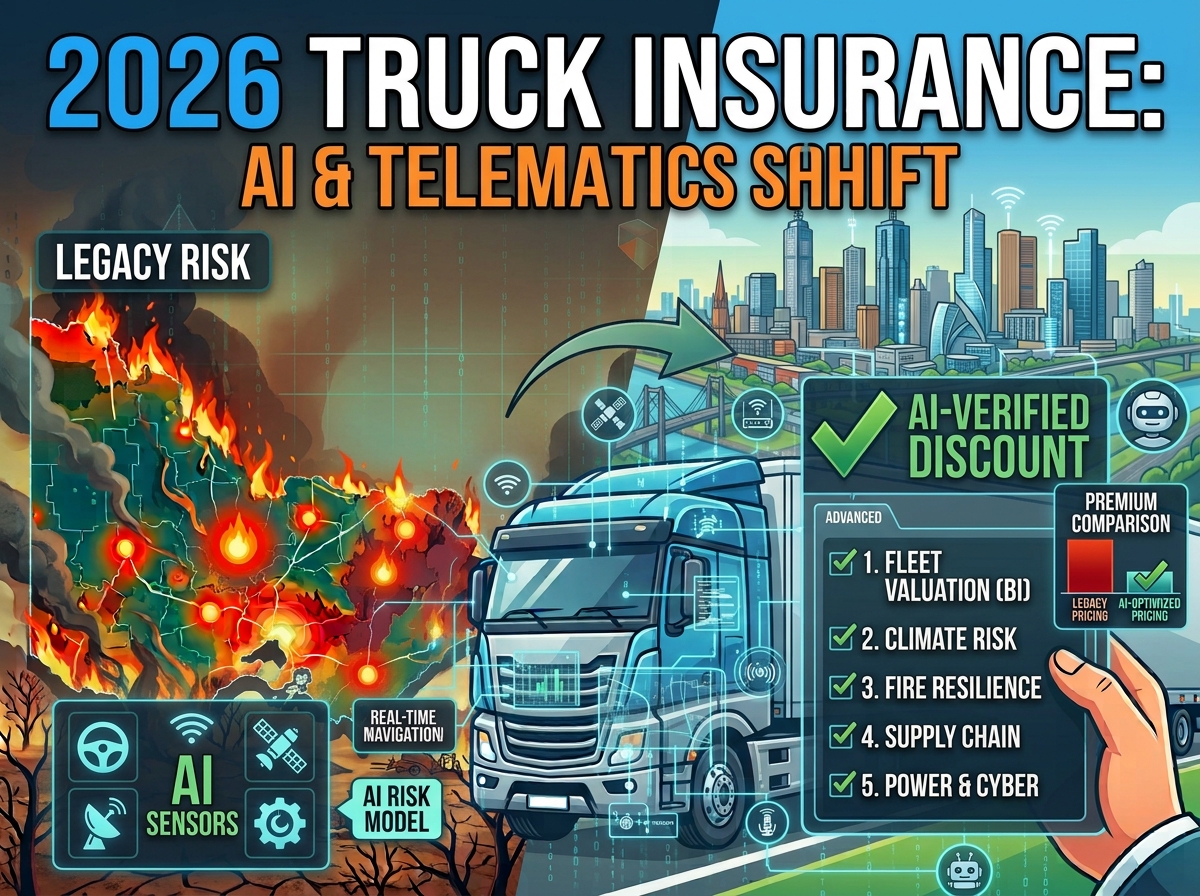

Truck Insurance Quote in 2026: What Melbourne Truck Operators Need to Know


Truck Insurance Quote: A Complete Guide to Truck Insurance in Melborune Australia
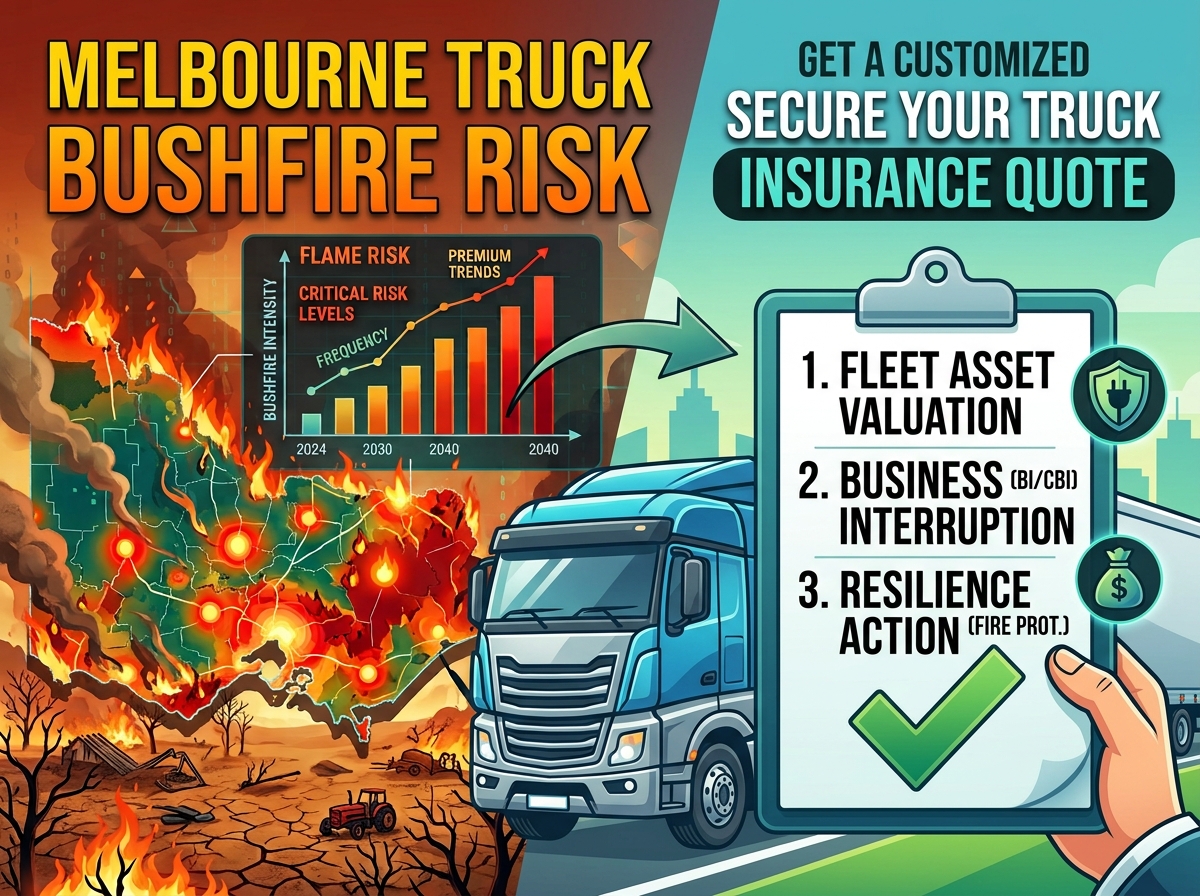
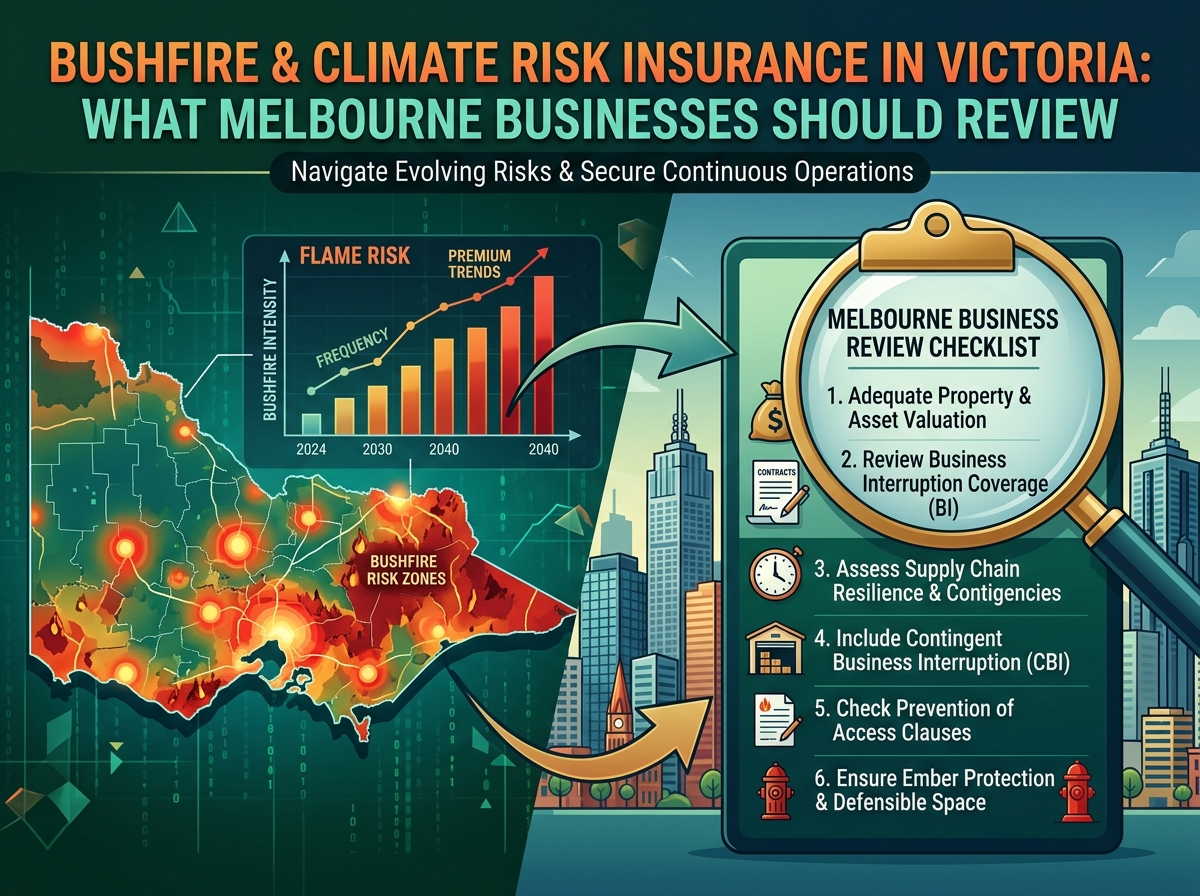
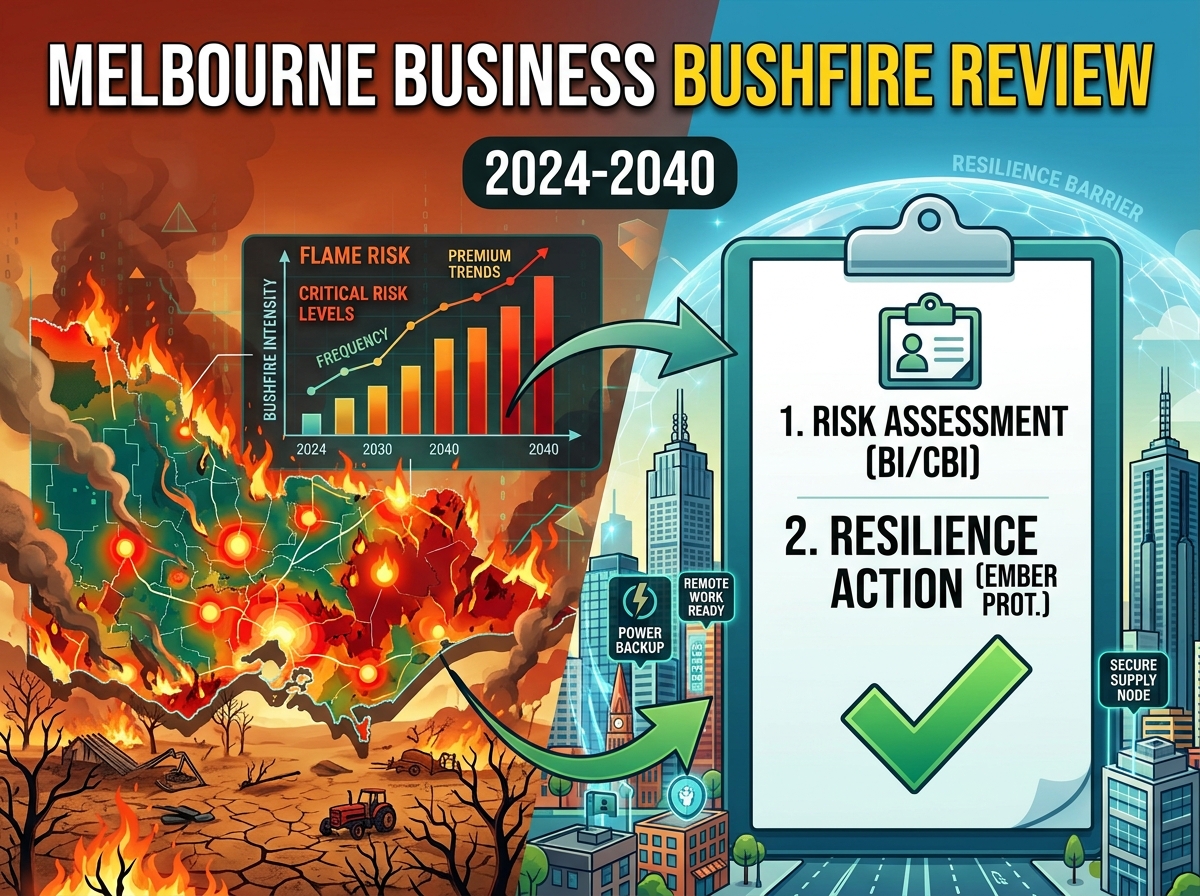
Bushfire & Climate Risk Insurance in Victoria: What Melbourne Businesses Should Review

Construction Insurance in Australia: What Every Builder, Tradie & Contractor Needs to Know

Cleaning Business Insurance Australia: Public Liability, Tools & Equipment Cover
A General Guide to Cargo & Marine Insurance

Types of Business Insurance: Liability & Directors Cover | Earnest Insurance

Sole Trader Public Liability Insurance | Costs & Cover
Everything You Need to Know About Small Truck Insurance

🏢 Commercial Property Insurance: What It Covers

Cafe & Coffee Shop Insurance

Insurance For Coffee Shops

Building & Construction Insurance Essentials


What you need to consider if you have a licensed venue

Insurance for the transport and logistics sector


What is really inside Business insurance?

Get in Touch
Have questions about insurance? Our expert brokers are here to help.