
Marine Cargo Insurance in Australia: Protecting Lithium Batteries, Electric Vehicles and Energy Storage Shipments


Introduction: Why Battery Shipments Need Special Attention
Lithium-ion batteries have become an important part of modern commerce. They power electric vehicles, laptops, mobile phones, industrial equipment, solar energy storage systems and a growing range of commercial products.
As Australian businesses import and export these products, transporting them safely has become an increasingly important consideration.
Unlike ordinary boxed merchandise, lithium batteries carry particular transportation risks. Damage, overheating, electrical faults and internal battery failures can lead to thermal runaway, fire and the release of hazardous gases. An incident involving one battery shipment can also affect surrounding cargo, shipping equipment and other property.
Marine cargo insurance helps Australian businesses manage the financial risks of loss or damage to insured battery shipments during covered transportation. However, lithium batteries and dangerous goods require careful insurance assessment because some policies impose specific cargo restrictions, exclusions, packaging conditions or additional underwriting requirements.
For an Australian importer receiving electric vehicle batteries from Asia, a distributor importing solar storage systems, or a business exporting battery-powered equipment, arranging suitable insurance starts with understanding the goods and their transportation risks.
It is not enough to obtain a shipping quote and assume the cargo is insured.
Businesses must consider battery classification, packaging, testing documentation, carrier requirements, transportation routes and the actual policy wording.
This guide explains how marine cargo insurance applies to lithium batteries and electric vehicles, what Australian importers and exporters should check, and how to identify potential coverage gaps before shipping.
1. Why Lithium Battery Shipments Have Different Transportation Risks
Lithium-ion batteries store electrical energy through chemical processes. This makes them useful in many commercial applications, but it also means they require appropriate handling, packaging and transportation controls.
One of the main concerns is a condition known as thermal runaway.
Thermal runaway occurs when a battery cell enters an uncontrolled self-heating reaction. Heat generated within the battery can trigger further reactions, potentially leading to fire, pressure buildup and hazardous gas release.
Several circumstances can contribute to battery incidents:
- Physical damage during handling or transportation.
- Internal short circuits.
- Manufacturing defects.
- Overcharging or electrical faults.
- Excessive heat exposure.
- Incorrect packaging.
- Inadequate protection against short circuits.
- Improper storage or handling of damaged batteries.
The maritime industry takes these risks seriously because a container fire at sea can be particularly difficult to manage.
The Australian Maritime Safety Authority (AMSA) identifies thermal runaway, fire and hazardous gas release among the risks associated with lithium-ion batteries in its battery and electrical safety guidance.
Businesses shipping batteries should therefore review transportation safety and insurance requirements together.
2. Which Products Need Lithium Battery Cargo Insurance?
Not every battery shipment carries identical risks or requires identical transportation arrangements.
The type of battery, its condition, packaging, energy capacity and intended use can affect how it is classified and transported.
Businesses importing or exporting the following products should consider their cargo insurance arrangements.
Electric vehicles
Electric cars, commercial electric vehicles and other battery-powered vehicles may be transported internationally by specialised vehicle carriers or container vessels.
Their insurance requirements can involve the value of the complete vehicle, transportation method, loading arrangements and battery-related risks.
An EV shipment should not automatically be treated like an ordinary motor vehicle shipment because its installed battery introduces additional dangerous-goods considerations.
Lithium-ion battery packs
Standalone battery packs are used in industrial equipment, power tools, electronics and several commercial applications.
Their transportation classification and packaging requirements depend on their specifications, condition and shipment configuration.
Solar batteries and energy storage systems
Australian renewable energy installations increasingly rely on battery storage systems to store electricity generated by solar panels and other energy sources.
Businesses importing residential and commercial battery storage equipment should assess the insurance arrangements for individual battery units and complete battery energy storage systems (BESS).
Consumer electronics
Mobile phones, laptops, tablets, cameras and other battery-powered electronics are common international cargo.
These goods can be shipped with batteries installed, batteries packed with equipment or separate battery consignments. Each arrangement may have different shipping requirements.
Used, damaged or recycled batteries
Second-hand, defective, damaged or waste batteries require particular attention.
Their condition may affect their dangerous-goods classification, packaging requirements, carrier acceptance and insurance availability.
Never assume that a policy accepting new commercial batteries will also accept damaged or recycled batteries.
3. Understanding Lithium Battery Classification for Shipping in Australia
Correct classification is one of the most important steps when arranging international battery transportation.
Lithium batteries are regulated as dangerous goods under applicable transport rules, subject to specific provisions and exemptions.
The International Maritime Dangerous Goods (IMDG) Code governs the transportation of packaged dangerous goods by sea.
AMSA implements the international maritime dangerous goods requirements in Australia through Marine Order 41.
Common lithium-ion battery classifications
Some commonly encountered classifications include:
UN NumberShipping descriptionHazard classUN 3480Lithium-ion batteriesClass 9UN 3481Lithium-ion batteries contained in or packed with equipmentClass 9
These classifications are examples, not an exhaustive list of battery-related dangerous goods.
Electric vehicles and battery-powered vehicles may have their own specific shipping entries. The correct classification depends on the vehicle and battery chemistry.
Certain qualifying shipments may also fall under exemptions or special provisions, including Special Provision 188, when all applicable requirements are satisfied.
Businesses should not independently assume an exemption applies simply because a battery is small or packed with another product.
The Australian Maritime Safety Authority provides information about Marine Order 41 and dangerous goods transportation by sea.
The International Maritime Organization provides information about the IMDG Code and its current editions.
What changed in 2026?
IMDG Code Amendment 42-24 became mandatory on 1 January 2026. Businesses involved in shipping dangerous goods should ensure their procedures and documentation reflect the applicable requirements.
For Australian domestic road and rail transportation, the National Transport Commission identifies Australian Dangerous Goods Code Edition 7.9 as the latest edition, mandatory from 1 October 2025, with state and territory implementation arrangements to be checked separately.
These rules address transportation safety and compliance. They do not automatically establish that a cargo insurance policy covers the goods.
4. What Does Marine Cargo Insurance Cover for Lithium Batteries?
The actual coverage depends on the insurer, policy wording, cargo acceptance criteria, selected clauses and any applicable extensions.
Some marine cargo policies provide broad protection against accidental physical loss or damage during covered transit. Others may contain restrictions for dangerous goods or specific battery types.
For businesses shipping electric vehicles and batteries, the following areas deserve particular attention.
Physical loss or damage
A policy may cover specified accidental physical damage to insured goods during transportation.
For example, a container carrying battery packs may be damaged during a covered handling incident.
Whether the resulting battery damage is insured depends on the policy, cause of loss, exclusions and any relevant conditions.
Fire and explosion
Fire and explosion are important considerations for lithium battery transportation.
A marine cargo policy may include cover for specified physical damage caused by fire or explosion. However, businesses should verify that their particular battery cargo is accepted and that no relevant exclusions or conditions prevent cover.
Do not assume that every battery-related fire is automatically covered.
Theft and non-delivery
Depending on the policy, insured theft or non-delivery may be covered.
High-value battery shipments should also have suitable security arrangements, tracking procedures and delivery documentation.
Loading and unloading damage
Battery cargo can be damaged during forklift operations, crane lifting, container handling or unloading.
Confirm whether the applicable transit arrangement includes these stages and whether specialist loading requirements apply.
Connecting road transportation
International cargo movements often involve domestic road transportation between a port, warehouse and final destination.
Some marine cargo policies include connecting land transit. Confirm that the actual route and transport arrangements are insured.
General average and salvage
A serious incident at sea can result in general average or salvage-related expenses.
Check how the selected policy addresses these expenses and whether the relevant shipment falls within its terms.
5. Battery Cargo Insurance Exclusions: What Should Businesses Check?
One of the biggest mistakes an importer can make is assuming that all marine cargo policies accept lithium batteries.
Some general cargo insurance schemes specifically restrict dangerous goods, including batteries. Other insurers may consider particular battery shipments when the correct information and risk controls are provided.
The distinction is important.
Before arranging cover, ask the insurer or broker to confirm whether the proposed cargo is acceptable.
Pay particular attention to these areas.
Dangerous goods restrictions: Check whether lithium-ion batteries, battery packs, electric vehicles and related products are permitted under the policy.
Incorrect declaration: Failure to disclose the actual cargo or shipment classification may create serious coverage and carrier-acceptance issues.
Damaged or defective batteries: These may require specialist underwriting or separate arrangements.
Insufficient packaging: Packaging that does not meet applicable requirements can create safety and insurance problems.
Delay and loss of market: Commercial losses caused by late deliveries are generally treated differently from direct physical loss or damage and may be excluded.
Mechanical or electrical breakdown: A battery or device malfunction without an insured external event may not be covered.
War and strikes: These risks may require specific additional clauses.
Consequential losses: Business interruption, lost customers and contractual penalties are not automatically included in standard cargo cover.
For example, suppose a retailer imports a container of solar batteries. If the batteries are damaged during transportation and the business has not disclosed their classification or condition, the insurer may need to investigate whether the policy conditions were satisfied.
The correct approach is to disclose the goods accurately before shipment and obtain confirmation of applicable cover.
6. Why Battery Packaging and Documentation Matter
Correct packaging is central to safe lithium battery transportation.
It protects products from physical damage and helps reduce risks associated with short circuits, impacts and other transportation conditions.
The packaging required depends on the battery classification, condition, capacity and applicable dangerous-goods provisions.
Businesses should make sure that their suppliers and freight partners understand the relevant requirements.
Important documentation may include:
- Manufacturer specifications.
- Battery technical information.
- Safety Data Sheet (SDS), where applicable.
- UN 38.3 test summary, where required.
- Dangerous goods declaration, where applicable.
- Commercial invoice.
- Packing list.
- Shipping instructions.
- Insurance certificate.
- Relevant container and handling records.
What is UN 38.3 testing?
UN 38.3 testing forms part of the international requirements for lithium battery transport. It relates to tests designed to evaluate batteries under specified transportation conditions.
A test summary helps identify the applicable battery test information.
It is important to understand that a UN 38.3 test summary is not an insurance policy or a guarantee that the shipment is covered.
It is also not a substitute for the dangerous-goods declaration and packaging requirements that apply to a particular consignment.
A useful additional resource is the April 2026 guidance issued by the International Safe Containerised Cargo Organisation (CINS), which discusses the transportation of lithium-ion cells and batteries in containers.
The guidance highlights risks involving defective cells, temperature, packaging, loading and container arrangements.
Businesses can review the CINS Guidelines for Shipping Lithium-ion Cells and Batteries.
7. Electric Vehicle Shipping Insurance: What Australian Importers Should Know
Electric vehicles introduce several insurance considerations because the cargo includes both a vehicle and a substantial battery system.
An importer receiving EVs from an overseas manufacturer should assess the transportation arrangement from the point where risk transfers under the sales contract.
Important questions include:
Are the vehicles shipped in containers or on a vehicle carrier?
The method of transportation affects handling, securing and stowage arrangements.
Are the vehicles new or used?
The condition of the vehicles and batteries can affect the risk assessment and insurance availability.
Are the batteries installed or shipped separately?
The applicable shipping classification and arrangements may differ.
Are all relevant parties aware of the battery-powered vehicle classification?
Incorrect or incomplete declarations can cause carrier booking problems and compliance issues.
Does the insurance cover the full journey?
Confirm whether the policy includes the relevant collection, port, ocean and domestic transportation stages.
Example: An Australian EV importer
Imagine a Melbourne-based vehicle importer purchasing several electric vehicles from an overseas manufacturer.
The vehicles are booked for international shipping and will be transported from an Australian port to a distribution facility.
Before shipping, the importer should establish the cargo value, confirm the vehicle and battery classifications, obtain the shipping documents and review the proposed marine cargo policy.
If the shipment involves used vehicles, damaged batteries or other unusual conditions, these should be disclosed before the insurer assesses the risk.
The business should not rely solely on the transport provider's liability arrangements to protect the full commercial value of the shipment.
8. Marine Cargo Insurance for Solar Batteries and Energy Storage Systems
Battery energy storage systems are used in residential, commercial and industrial energy projects.
These systems can involve individual battery modules, interconnected battery packs, inverters, control equipment and related electrical components.
An Australian importer supplying commercial solar installation projects may receive several components from different overseas manufacturers.
A comprehensive shipping review should consider the complete cargo rather than treating every item as an ordinary electrical product.
Areas to assess include:
- Battery chemistry and system configuration.
- Declared shipment values.
- Packaging and handling instructions.
- Whether batteries are new, used or defective.
- Dangerous-goods classification.
- Container loading arrangements.
- Storage between transportation stages.
- Domestic delivery requirements.
Businesses should also establish whether batteries are being shipped separately or as part of assembled equipment.
The insurer may require different information depending on the cargo configuration.
Marine cargo insurance protects the insured interest in goods during covered transit. It should not be confused with insurance for an installed solar system, building, electrical installation or ongoing operational risks.
Those exposures may require separate insurance arrangements.
9. The Difference Between Marine Cargo Insurance and Goods in Transit Insurance
Australian businesses may use several transportation methods to move batteries and battery-powered products.
Marine cargo insurance typically addresses insured goods during covered shipping journeys, including eligible sea and connecting transport where included.
Goods in transit insurance generally addresses specified domestic transportation risks.
The two products can overlap, but they should not be treated as identical.
Consider an importer receiving batteries from an overseas manufacturer.
The shipment travels by sea to the Port of Melbourne and then by road to a warehouse in regional Victoria.
The marine cargo policy may include the connecting road journey, depending on its terms. Alternatively, the business may need separate domestic transit protection.
Similarly, a distributor transporting batteries between its warehouses may require a separate goods-in-transit arrangement.
The important step is to check when each policy starts and finishes, which cargo is insured and whether there are any gaps between transportation stages.
Businesses operating commercial delivery vehicles may also need appropriate commercial motor insurance.
10. How Global Shipping Disruptions Affect Australian Cargo Owners
Insurance planning should account for the commercial realities of international shipping.
Australian importers and exporters depend on container availability, vessel schedules, port handling and reliable transportation networks.
The ACCC's 2024–25 Container Stevedoring Monitoring Report, published on 12 December 2025, highlighted continuing supply-chain unpredictability, including vessel schedule reliability issues, weather-related disruption and difficulties accessing shipping and container slots.
Such disruptions can affect delivery schedules, storage arrangements and transportation costs.
For battery importers, a delayed shipment may create pressure to arrange additional storage, alternative transport or revised delivery arrangements.
However, an important insurance distinction remains:
A shipping delay does not automatically create an insured cargo loss.
Standard marine cargo policies commonly distinguish physical damage from financial losses caused by delay, lost sales or missed commercial deadlines.
Businesses should therefore review how the policy treats temporary storage, transhipment, changes to the transportation route and any consequences of delayed delivery.
The ACCC's Container Stevedoring Monitoring Report provides further insight into Australia's container freight environment.
11. How to Choose the Right Marine Cargo Insurance in Australia
Selecting marine cargo insurance for lithium batteries requires more detailed preparation than arranging cover for ordinary packaged merchandise.
Before requesting a quote, prepare information about the goods and the proposed shipping arrangements.
InformationWhy it mattersBattery type and chemistryHelps identify cargo characteristicsBattery classificationEstablishes dangerous-goods requirementsProduct conditionNew, used, damaged or defective cargo may be treated differentlyShipment valueHelps establish the proposed insured amountOrigin and destinationIdentifies the transportation routeShipping methodDetermines relevant transportation exposuresPackagingHelps assess handling and safety arrangementsTest documentationSupports relevant regulatory and booking requirementsShipment frequencyHelps compare annual and single-transit optionsStorage arrangementsIdentifies exposure between transportation stagesPrevious claimsHelps provide an accurate risk history
Annual marine cargo insurance or single-transit insurance?
Businesses importing or exporting regularly may consider annual marine cargo insurance, subject to insurer acceptance and policy conditions.
This can simplify administration for eligible recurring shipments.
A company arranging one large battery shipment may instead consider single-transit cover.
The appropriate arrangement depends on the number of shipments, total cargo values, individual consignment limits, trading routes, battery types and insurer requirements.
Questions to ask your insurance broker
Before selecting a policy, ask:
- Are lithium-ion batteries and EVs acceptable cargo under the policy?
- Are standalone batteries treated differently from batteries installed in equipment?
- Are damaged or used batteries eligible?
- Is fire or explosion damage covered for the declared cargo?
- Are loading, unloading and connecting road transportation included?
- Are temporary storage and transhipment covered?
- What exclusions, sublimits and excesses apply?
- What documentation is required if a claim occurs?
These questions help establish whether the proposed insurance is appropriate for the specific shipment.
12. Arranging Marine Cargo Insurance with Earnest Insurance
Businesses importing electric vehicles, battery packs, solar storage equipment and other commercial products need insurance arrangements that reflect their actual shipping operations.
Earnest Insurance provides marine insurance options for Australian businesses involved in shipping, logistics and international trade.
The company's marine insurance service includes cargo protection considerations for goods transported across international shipping routes and overland freight networks.
Earnest Insurance brokers compare available Australian insurance options and policy features to help businesses assess their requirements.
When discussing a battery shipment, provide the following details:
- Type and quantity of batteries.
- Whether batteries are standalone or installed in equipment.
- Battery condition and relevant specifications.
- Shipment value.
- Origin and destination.
- Transportation arrangements.
- Dangerous-goods classification.
- Relevant documentation.
- Any previous transportation losses.
This allows the proposed insurance arrangements to be assessed against the particular cargo and transportation risks.
Visit the Earnest Insurance Marine Insurance page to learn more.
You can also call 1300 402 412 to discuss available marine insurance options.
Frequently Asked Questions About Marine Cargo Insurance Australia
Does marine cargo insurance cover lithium-ion batteries?
Some insurers may offer marine cargo insurance for eligible lithium-ion battery shipments. However, dangerous goods restrictions, battery condition, packaging, classification and insurer acceptance all matter. Always disclose the exact cargo and confirm acceptance before shipping.
Are lithium batteries classified as dangerous goods in Australia?
Lithium batteries are regulated as dangerous goods under applicable transportation rules. Their classification depends on battery type, configuration, condition and relevant exemptions. The IMDG Code applies to maritime shipments, while the Australian Dangerous Goods Code governs applicable domestic road and rail movements.
What is UN 3480 in lithium battery shipping?
UN 3480 is the shipping identification number for lithium-ion batteries transported as standalone battery consignments. UN 3481 generally refers to lithium-ion batteries contained in or packed with equipment. Both are Class 9 dangerous goods when subject to these classifications.
Does marine cargo insurance cover electric vehicles?
Some marine cargo insurance arrangements may cover eligible electric vehicles during specified transportation. The insurer must be informed about the vehicle type, battery details, value, condition and shipping arrangements.
Is battery fire covered under marine cargo insurance?
Fire may be an insured event under certain marine cargo policies, but coverage depends on the specific circumstances, cargo acceptance, exclusions and conditions. Businesses should specifically confirm how lithium battery-related fire and explosion losses are treated.
What is lithium battery UN 38.3 testing?
UN 38.3 refers to transportation testing requirements for lithium battery cells and batteries. Relevant test information helps establish whether the product meets applicable transportation requirements. It is not a substitute for cargo insurance or a guarantee of insurance coverage.
Can I insure solar battery storage systems during shipping?
Some insurers may accept eligible solar battery and battery energy storage system shipments. The required information can include battery chemistry, system configuration, value, packaging and dangerous-goods documentation.
What is the difference between marine cargo insurance and freight insurance?
Marine cargo insurance protects the insured interest in goods against covered losses during specified transportation. Freight insurance is a broader term that may refer to cargo insurance or other freight-related insurance arrangements. The specific policy wording determines what is protected.
Does cargo insurance cover delayed battery shipments?
Financial losses caused by delay are generally treated separately from insured physical loss or damage. Standard cargo cover should not be assumed to reimburse lost sales, missed installation dates or contractual penalties.
Can Australian businesses arrange annual marine cargo insurance?
Annual policies may be available for businesses with regular eligible shipments. Insurer acceptance, cargo limits, declaration obligations, geographical scope and conditions will determine whether an annual arrangement is suitable.
Conclusion: Protect Your Battery Shipments with the Right Cargo Insurance
Lithium-ion batteries, electric vehicles and energy storage systems have introduced additional considerations for Australian importers and exporters.
Transportation risks can involve battery damage, overheating, fire, packaging failures, incorrect dangerous-goods declarations and changes in shipping arrangements.
Marine cargo insurance can help businesses manage specified financial losses associated with insured goods during covered transportation. However, battery-related cargo requires accurate disclosure and careful attention to policy exclusions, dangerous-goods requirements and insurer acceptance.
Before arranging your next shipment, establish what you are transporting, how it will travel, what documentation is required and whether the insurance policy specifically accommodates your cargo.
Speak with Earnest Insurance about marine cargo insurance in Australia.
Visit www.earnestinsurance.com.au or call 1300 402 412 to discuss your cargo insurance requirements and explore available options.
Important information: This article provides general information only and does not take into account your objectives, financial situation or needs. Insurance availability, limits, exclusions, conditions and extensions vary between insurers and policies. Lithium batteries and dangerous goods may be subject to specific underwriting requirements or exclusions. Read the relevant Product Disclosure Statement and policy wording and confirm cargo acceptance before shipping.
References
- Australian Maritime Safety Authority – Cargo Regulations.
- Australian Maritime Safety Authority – Marine Order 41: Carriage of Dangerous Goods.
- National Transport Commission – Australian Dangerous Goods Code.
- International Maritime Organization – International Maritime Dangerous Goods Code.
- CINS – Guidelines for Shipping Lithium-ion Cells and Batteries in Containers, April 2026.
- ACCC – Container Stevedoring Monitoring Report 2024–25.
- Australian Government – Know Your Incoterms.
Subscribe to our newsletter
Related posts
More Blog Posts
Marine Cargo Insurance in Australia: Protecting Lithium Batteries, Electric Vehicles and Energy Storage Shipments
Marine Cargo Insurance for Heavy Machinery and Project Cargo in Australia
Marine Cargo Insurance for Perishable Goods: Protecting Australia's Cold Chain

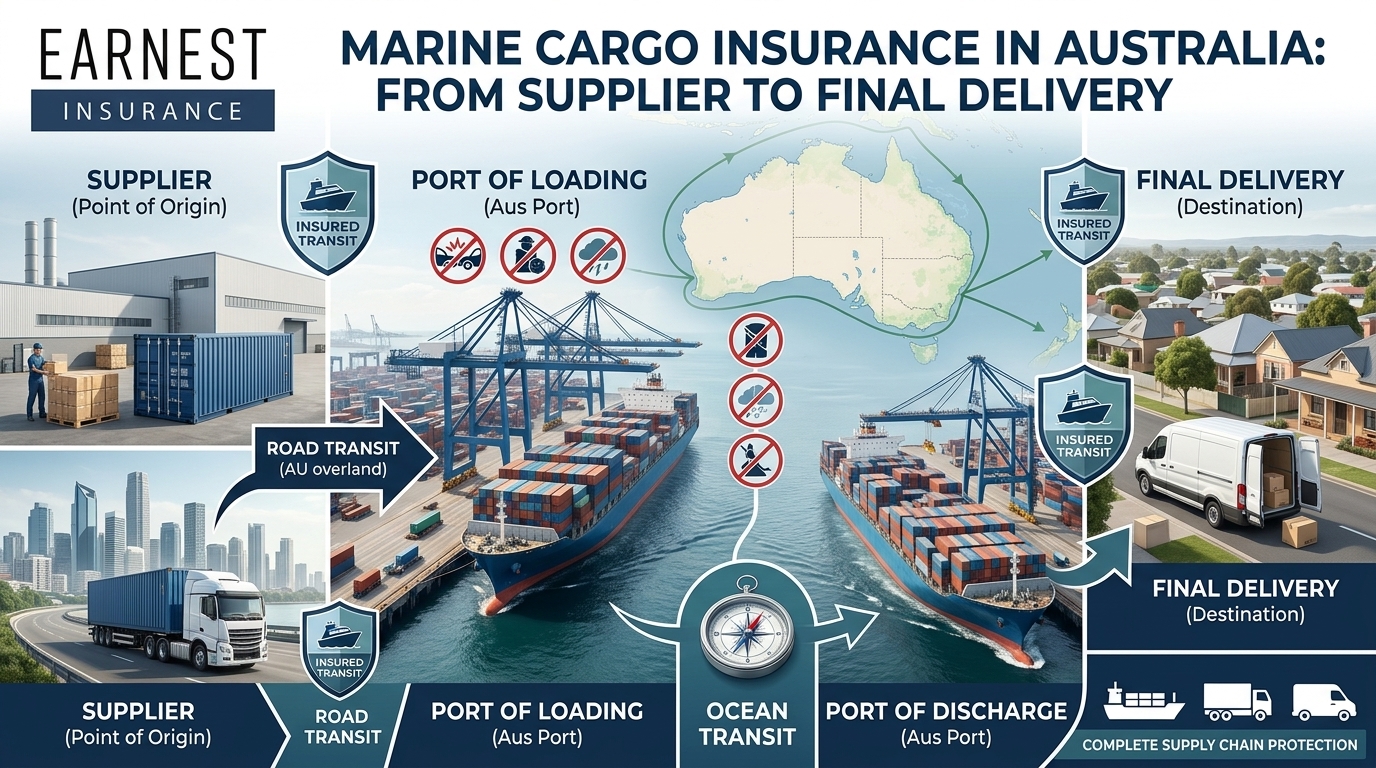
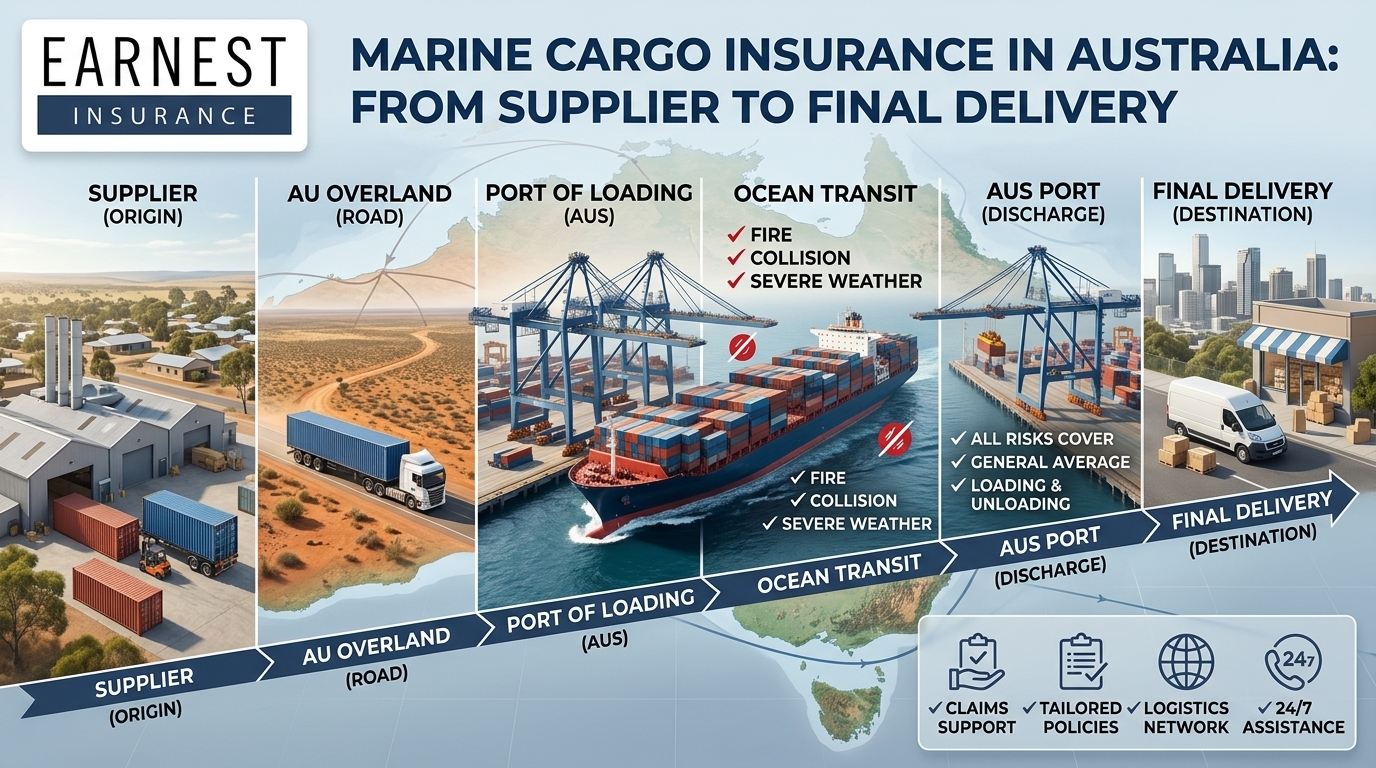
Marine Cargo Insurance in Australia: From Supplier to Final Delivery

Is Your Business Properly Insured? 10 Insurance Gaps Australian Businesses Should Check Before Renewal


How to Choose the Right Business, Construction, Truck, Bus and Marine Cargo Insurance in Australia


How to Choose the Right Business, Construction, Truck, Bus and Marine Cargo Insurance in Australia


How Much Is Public Liability Insurance in Melbourne? A 2026 Guide for Businesses


Business Insurance Broker Melbourne: How to Choose the Right Cover for Your Business


Business Insurance Broker Melbourne: How to Choose the Right Cover for Your Business

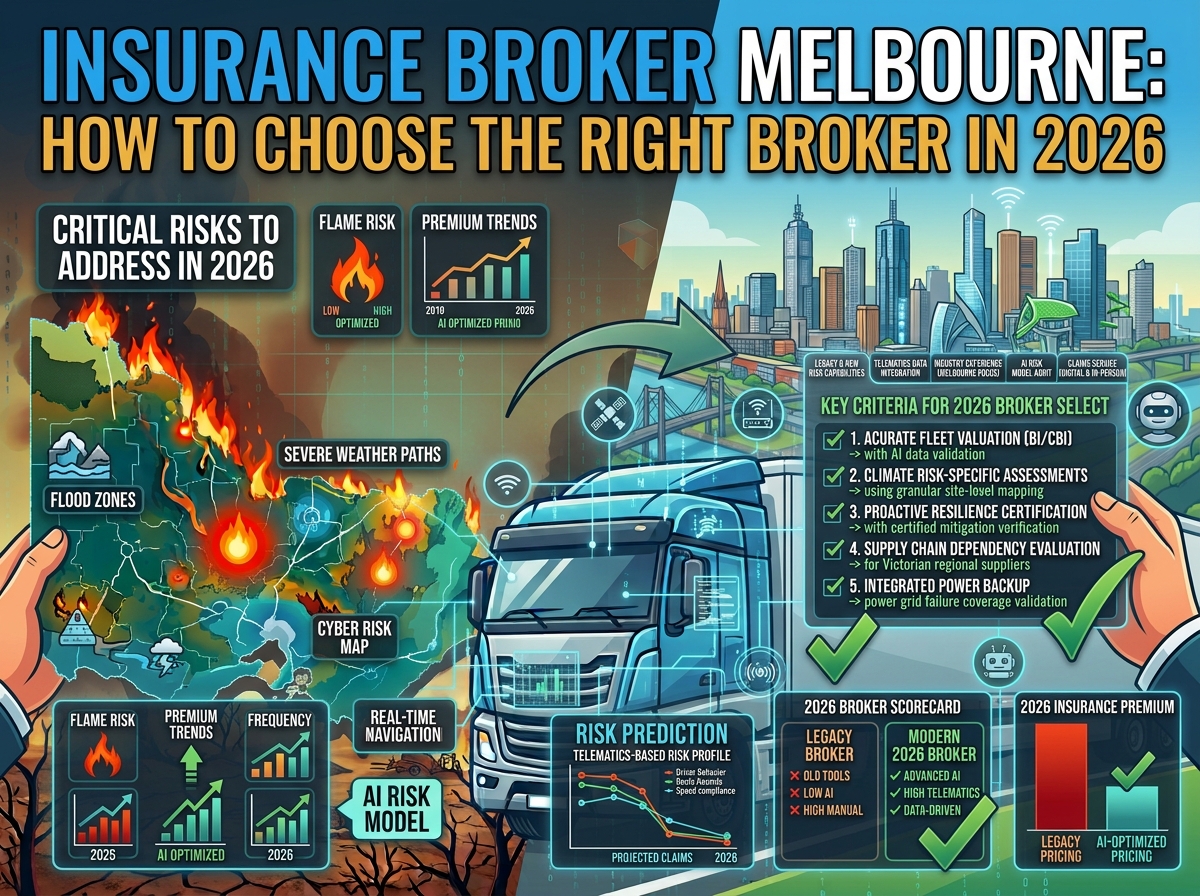
Insurance Broker Melbourne: How to Choose the Right Insurance Broker in 2026
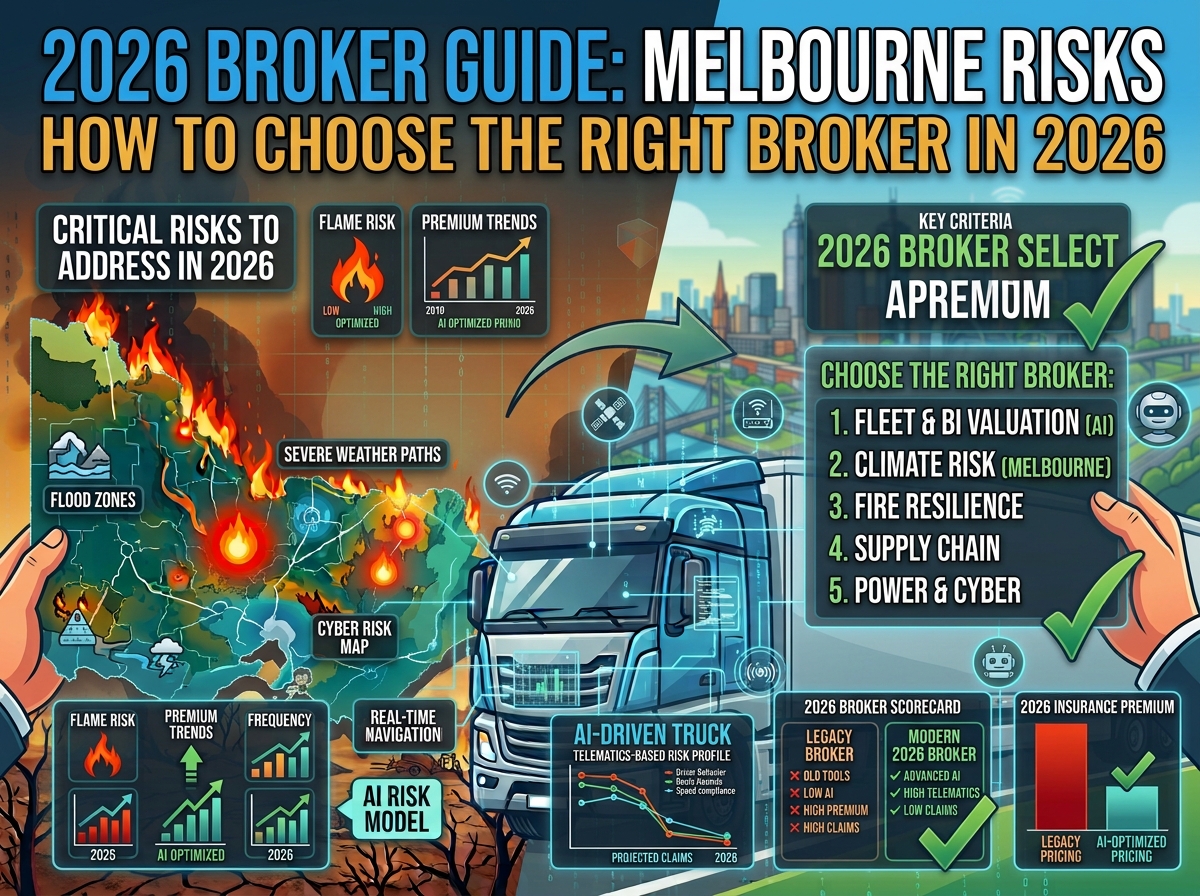
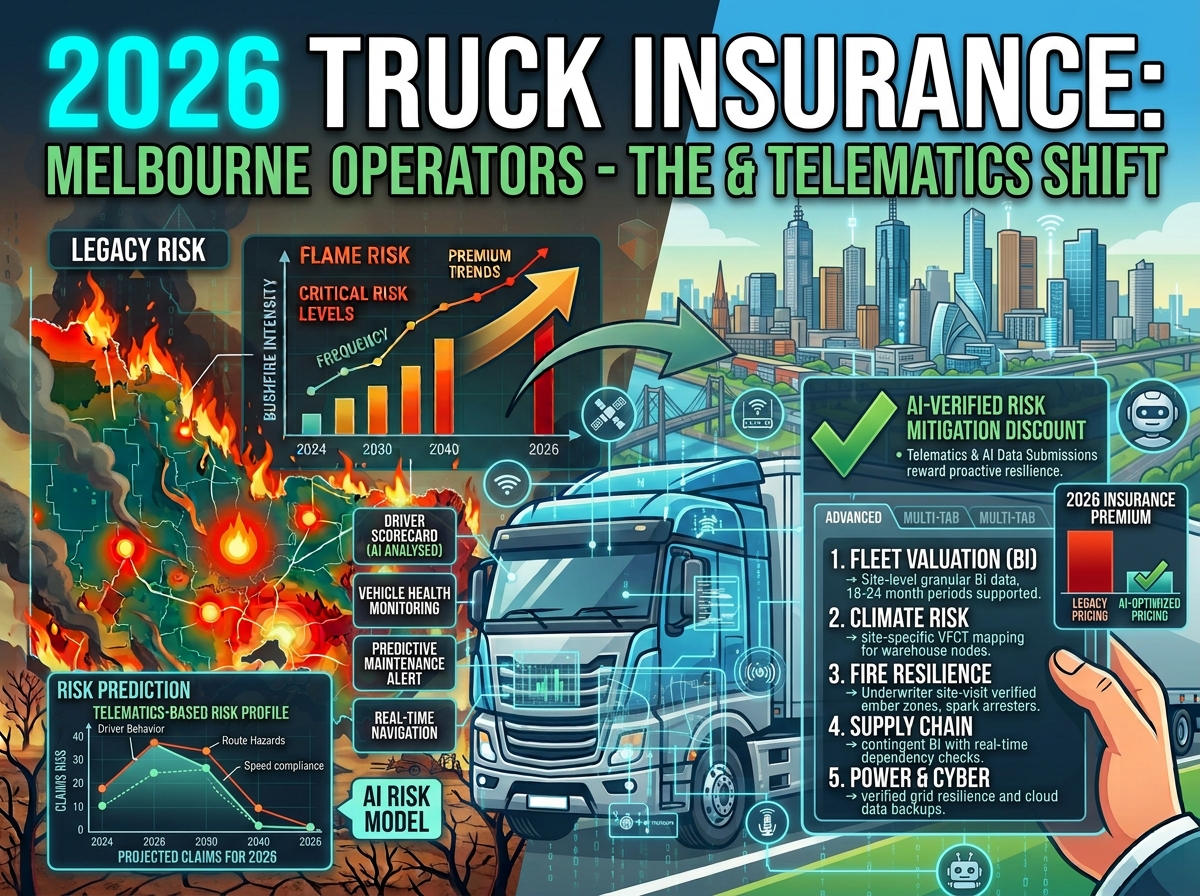
Truck Insurance Quote in 2026: How Telematics and AI Safety Technology Are Changing Truck Insurance in Melbourne


Truck Insurance Quote in 2026: What Melbourne Truck Operators Need to Know


Truck Insurance Quote: A Complete Guide to Truck Insurance in Melborune Australia
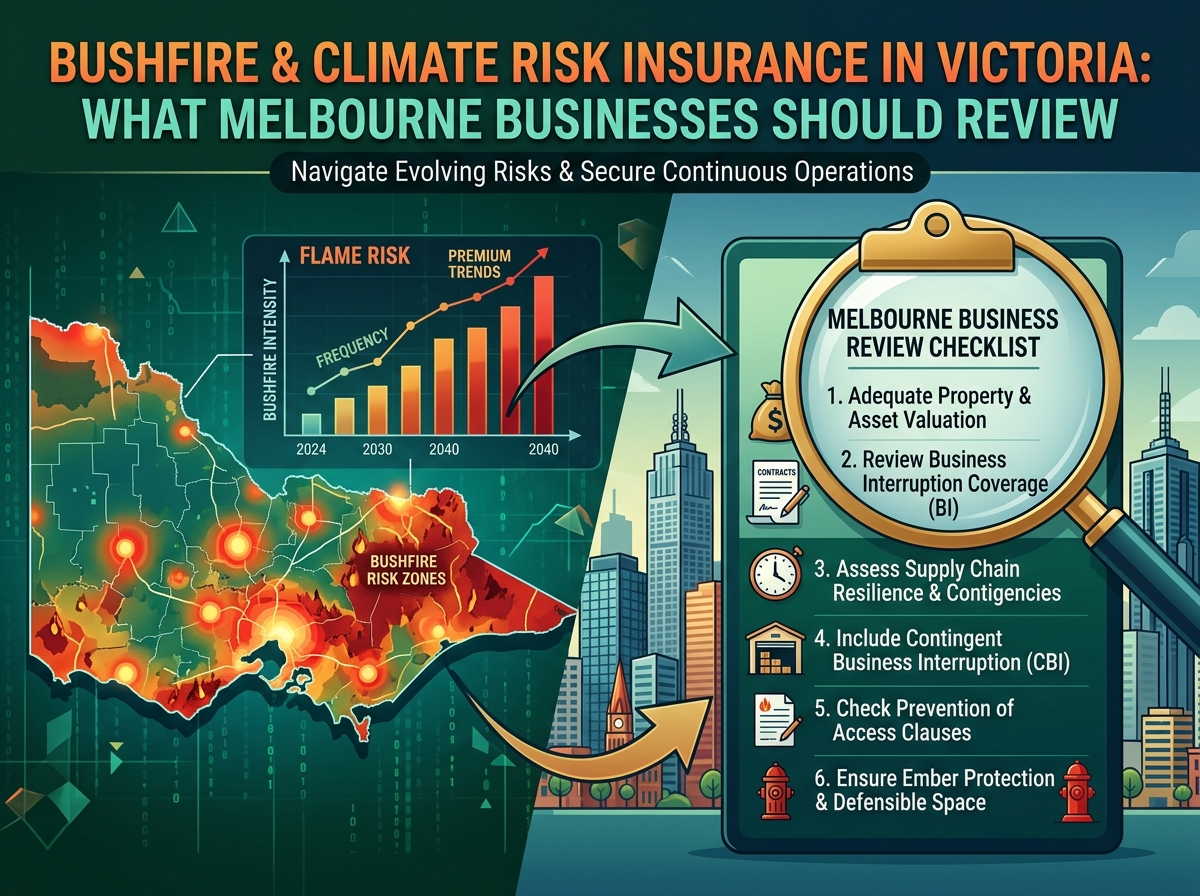
Bushfire & Climate Risk Insurance in Victoria: What Melbourne Businesses Should Review

Construction Insurance in Australia: What Every Builder, Tradie & Contractor Needs to Know


Cleaning Business Insurance Australia: Public Liability, Tools & Equipment Cover

A General Guide to Cargo & Marine Insurance

Types of Business Insurance: Liability & Directors Cover | Earnest Insurance

Sole Trader Public Liability Insurance | Costs & Cover

Everything You Need to Know About Small Truck Insurance

🏢 Commercial Property Insurance: What It Covers

Cafe & Coffee Shop Insurance

Insurance For Coffee Shops

Building & Construction Insurance Essentials


What you need to consider if you have a licensed venue

Insurance for the transport and logistics sector


What is really inside Business insurance?

Get in Touch
Have questions about insurance? Our expert brokers are here to help.