
How Much Is Public Liability Insurance in Melbourne? A 2026 Guide for Businesses


If you run a business in Melbourne, one of the first questions you may ask when arranging insurance is, “How much is public liability insurance going to cost me?”
The answer depends on what your business does, how much work you undertake, the risks involved and the level of cover you need. A consultant working from home may pay a very different premium from a plumber visiting customers' properties or a builder managing several construction projects across Victoria.
As an indicative guide, Australian insurance providers publishing 2026 pricing data report that many small businesses pay hundreds of dollars annually for public liability insurance, while higher-risk trades and larger businesses can pay significantly more. One provider's analysis of more than 2,000 policies reported a typical range of approximately $370–$840 per year, while another broker's 2025–2026 trade-policy data showed considerably higher median premiums for some occupations. These are providers' own datasets, not an official Melbourne-wide average or a quote for your business.
For businesses looking for public liability insurance in Melbourne, the most useful approach is to understand what influences the premium, what the policy actually covers and how to compare quotes without sacrificing important protection.
This guide explains those points in straightforward language, with practical examples for Melbourne and Victorian businesses.
What Is Public Liability Insurance?
Public liability insurance is designed to help protect a business against certain claims from third parties who suffer personal injury or property damage connected with the business's activities, where the business is legally liable. Cover depends on the policy wording, exclusions, limits and conditions.
Imagine a customer visiting your shop slips on a wet floor and alleges that your business failed to take reasonable precautions. Or consider a tradesperson who accidentally damages a customer's property while carrying out a job.
In situations such as these, a public liability policy may respond to covered legal liability, including eligible defence costs and compensation, depending on the circumstances and policy terms.
Business Victoria explains that public liability insurance can be useful for businesses whose customers visit their premises or whose workers visit customers' premises. It is particularly relevant when a business interacts with members of the public.
You can read the Victorian government's guidance on choosing insurance for your business.
Public liability insurance is not the same as insurance for your own property, professional mistakes or employee injuries. Those risks may require other types of cover.
How Much Does Public Liability Insurance Cost in Melbourne?
There is no single premium that applies to every Melbourne business.
A recent 2026 pricing guide from Australian insurance provider upcover reported that, across its own portfolio of more than 2,000 public liability policies arranged between 2022 and 2026, typical annual premiums were around $370–$840, with a midpoint figure of approximately $605. Its data covered businesses across Australia, not Melbourne alone.
The same dataset showed meaningful differences between industries. For example, the published typical premium for trades and construction was about $598 per year, while automotive and vehicle services was around $1,497. These figures relate to that provider's historical policy data and should not be interpreted as guaranteed prices or market-wide averages.
Another broker, CIB, published October 2026 figures showing median annual public liability premiums among its insured trade clients ranging from $690 for plasterers to $2,256 for concreters. Its dataset included policies with different cover limits, from $5 million to $20 million.
These figures come from different policy books and methodologies, which is why they should not be compared as though they were identical products. They demonstrate the range of prices that can occur, rather than predicting what a particular Melbourne business will pay.
Sources:
- upcover: Public Liability Insurance Cost in Australia, August 2026
- CIB: Public Liability Insurance Cost in Australia, October 2026
The right way to estimate your own public liability insurance cost in Melbourne is to obtain a quote based on your actual business activities, turnover, claims history, required limits and other relevant details.
Why Two Businesses Can Receive Different Quotes
Consider two small businesses operating in Melbourne.
The first is a freelance graphic designer who works from a home office and occasionally meets clients. The second is a landscaping contractor who operates machinery, visits residential properties and employs several workers.
Both might be classified as small businesses, but their day-to-day activities create different exposures to third-party injury and property damage.
The landscaping business may face additional risks from equipment, outdoor work, subcontractors and the types of properties where work is performed. The designer may have more significant exposure to professional-service risks, which could require consideration of professional indemnity insurance as well.
Business size alone does not determine the premium. The nature of the work matters.
What Factors Affect Public Liability Insurance Cost?
When an insurer calculates a premium, it assesses the characteristics and potential liabilities of the business. Several factors can make a difference.
1. Your Industry and Occupation
The work you perform is one of the most important considerations.
A consultant working mainly from home generally presents a different public liability exposure from a roofer working at height or a concreter operating machinery on a busy construction site.
Businesses that work around customers, visitors, public spaces or third-party property may need to pay particular attention to how their activities are described when obtaining a quote.
For example, a Melbourne business may operate as a:
- Cleaner or commercial cleaning contractor
- Electrician or plumber
- Builder or subcontractor
- Landscaper or gardener
- Retail shop or café
- Event supplier
- Equipment installation company
- Consultant or professional service provider
Even within the same industry, the actual work can differ considerably. An electrical contractor who performs different types of work from another electrician may receive a different assessment.
Be specific about what you do. A generic occupation label may not tell an insurer enough about the risks involved.
2. Annual Turnover
Turnover can be an important pricing factor because it provides an indication of the scale of business activity.
A business generating $100,000 annually may have a very different exposure from one generating $1 million, even if both operate in the same industry.
However, turnover should not be considered in isolation. The activities performed, number of workers, type of customers and other risk characteristics also matter.
When requesting a public liability insurance quote in Melbourne, provide accurate turnover information and clarify which revenue figures the insurer requires.
Understating turnover to obtain a lower premium can create problems. Inaccurate information may affect underwriting or a future claim, depending on the circumstances.
3. Employees and Subcontractors
A business with several employees and subcontractors may undertake more work and visit more sites than a sole trader.
This can affect its overall risk profile.
If you use subcontractors, explain their roles, the work they perform and the amounts paid to them when requested by the insurer. Some policies have specific conditions concerning subcontractors, their insurance or the work they perform.
Do not assume that every subcontractor is automatically covered under your policy, or that holding your own public liability insurance satisfies every contractual requirement.
4. Claims History
Previous claims and incidents can influence underwriting decisions.
A business with a history of significant liability claims may have fewer insurers willing to offer terms, or it may receive different premiums, excesses or conditions.
However, claims history is only one part of the assessment. The nature of previous incidents, the work currently performed and the controls introduced afterwards may also matter.
If an incident led you to change your procedures, improve site inspections or introduce new safety measures, keep records of those improvements and discuss them with your broker.
5. Your Required Level of Cover
The amount of liability cover you choose can affect the price.
Businesses commonly investigate limits such as $5 million, $10 million or $20 million, depending on their circumstances and the requirements of customers, landlords, contracts or sites.
These amounts are not interchangeable requirements for every business. The correct limit should be considered in the context of the potential loss and the conditions under which you work.
For example, a contractor may be required by a commercial client to hold $20 million in public liability insurance before being allowed on site. Another business may have a different contractual requirement.
Ask for comparable quotes that use the same limit and similar policy conditions. This will help you understand whether the difference in price reflects the premium itself or differences in the cover offered.
6. Your Excess
The excess is the amount you may have to contribute towards a covered claim.
A higher excess may affect the premium, but the impact varies by insurer and policy. Before selecting a higher excess, consider whether your business could comfortably meet that amount if a claim occurred.
Saving a small amount on the premium may not be worthwhile if it creates a financial burden at claim time.
7. Special Activities and Policy Exclusions
Some work requires more detailed underwriting.
Depending on the occupation, this may include working at height, excavation, hot work, demolition, handling hazardous materials or performing specialist construction activities.
Insurers may apply endorsements, exclusions, conditions or additional requirements to certain activities.
These details are important because two policies with similar premiums may not provide the same protection.
Always check that the policy reflects the work you actually perform, rather than simply comparing the headline price.
Public Liability Insurance for Small Business in Melbourne
Small business owners often need to balance insurance costs against rent, wages, equipment, marketing and other operating expenses.
It can be tempting to choose the cheapest available policy and move on. However, the more useful question is whether the policy fits the actual risks of your business.
For a small Melbourne business, consider these examples.
Sole Traders and Freelancers
A sole trader who visits customers, works at events or performs tasks at other people's premises may have public liability exposure.
The level of risk depends on the work. A consultant who works remotely will typically have different third-party injury and property-damage exposures from a contractor who installs equipment on customer sites.
Public liability insurance also does not automatically protect a sole trader against every professional error or personal injury. Other policies may be relevant.
Retail Shops
A retail business may have customers entering the premises throughout the day. Slips, trips, falling items and accidental damage can all be relevant risk scenarios.
The business may also need property and contents insurance, stock cover or other protection, depending on its operations.
Cafés and Restaurants
Hospitality businesses have a combination of premises, customer, food and operational risks.
Public liability and product liability may be relevant, subject to the available policy wording. A business may also need to consider commercial property, equipment, stock and business interruption.
Trades and Contractors
Tradies often work at sites they do not own or control. Public liability insurance can be important where an activity could injure another person or damage property.
For businesses seeking public liability insurance for tradies in Melbourne, accurate descriptions of the work performed are essential. A painter, plumber, electrician, roofer and demolition contractor should not assume that one occupation's quote or policy is suitable for another.
Is Public Liability Insurance Compulsory in Victoria?
Public liability insurance is not a blanket legal requirement for every business in Victoria. However, particular occupations, licences, permits, work sites or contracts may require it.
For example, a commercial client may require evidence of a specified liability limit before a contractor can begin work. A landlord may have insurance requirements in a lease, and an event organiser or venue may request a certificate of currency.
The exact requirement depends on the situation.
Business Victoria identifies public liability insurance as an important consideration for businesses that interact with customers or members of the public. The Australian government's business insurance guide also explains that some insurance types may be legally required depending on a business's activities and location.
If you are unsure what cover you must carry, check the applicable licence, permit, contract or site requirements rather than assuming a standard limit applies everywhere.
What Does Public Liability Insurance Cover?
Public liability insurance is generally intended to respond to covered legal liability arising from third-party injury or property damage connected with your business activities. The policy wording determines what is covered.
Depending on the terms and circumstances, an insured business may face a claim involving:
- A customer injured at a business premises
- Accidental damage to a customer's property during a job
- An injury allegedly caused by a business activity
- Damage involving equipment used during contracted work
These are examples of possible claim scenarios, not a guarantee that a policy will respond in every case.
The insurer will assess the incident against the policy terms and the relevant facts.
What Is Usually Not Covered by Public Liability Alone?
Public liability insurance should not be treated as a complete business insurance package.
For example:
Your own building, equipment or stock: These generally require appropriate property or contents cover.
Professional advice or errors: Professional indemnity insurance may be relevant where a client alleges financial loss resulting from professional services.
Employee injuries: Victorian employers may have WorkCover obligations. Public liability does not replace workers' compensation.
Motor vehicle accidents: Commercial motor and compulsory third-party arrangements address different risks.
Every contractual liability: A policy may exclude or limit certain liabilities assumed under a contract.
The exact boundaries vary between policies. Read the Product Disclosure Statement and policy wording before deciding whether the cover is appropriate.
How to Compare Public Liability Insurance Quotes in Melbourne
Once you start requesting quotes, try to compare like with like.
A practical comparison should include more than the annual premium.
What to compareWhat to checkPremiumAnnual cost and any applicable fees or chargesCover limitIs it sufficient for your business and contracts?ExcessHow much might you need to contribute to a claim?Covered activitiesDoes the policy accurately describe your work?ExclusionsAre important activities or claim types excluded?SubcontractorsWhat conditions apply if you use them?Territorial limitsWhere does the policy apply?Claims supportWhat steps should you follow if an incident occurs?
If one insurer offers a lower premium, ask why. The difference could relate to the business description, policy terms, cover limit, excess or underwriting appetite.
The cheapest quote is not necessarily the best value if an important activity is excluded.
Example: Two Quotes for a Melbourne Contractor
Imagine a contractor receives two indicative quotes for the same business.
One quote is cheaper, but the wording contains a restriction affecting a type of work the contractor regularly performs. The other costs more but may be better aligned with the actual business activities.
This is an illustrative example, not a real customer case or a comparison of actual insurer products. It demonstrates why price should be assessed alongside wording and conditions.
Before buying, ask the broker or insurer to explain any restrictions that may affect your regular work.
How to Prepare for a Public Liability Insurance Quote
You can make the quotation process easier by gathering the basic details a broker or insurer may request.
Prepare information such as:
- Your business name and location
- A clear description of the work you perform
- Estimated annual turnover
- Number of employees
- Use of subcontractors
- Locations where work takes place
- Relevant licences or qualifications
- Previous claims or incidents
- Required cover limit
- Any customer, landlord or contract insurance requirements
Not every insurer will ask for exactly the same information, and more complex businesses may need to provide additional details.
For Melbourne businesses working across Victoria or interstate, explain the full operating area. Do not assume that a policy automatically covers every activity or location.
Can You Reduce Public Liability Insurance Costs?
There is no guaranteed method of lowering the premium, but several sensible steps can help you understand your options.
Keep your business details accurate. Review the activities, turnover, employees and subcontractor arrangements listed on the policy.
Compare equivalent quotes. Use the same cover limit and broadly comparable requirements so that the comparison is meaningful.
Review exclusions. A low premium may come with restrictions that are unsuitable for your work.
Maintain practical safety procedures. Depending on your business, this could involve inspections, housekeeping, equipment maintenance, staff training and incident reporting.
Review the excess carefully. Consider whether any potential premium saving justifies the amount you would need to contribute to a claim.
Review your policy when the business changes. New services, employees, contracts or work sites can change your risk profile.
A broker may be able to help you compare suitable options from available insurers. However, good risk management does not guarantee a discount, and safety procedures should be maintained because they help protect people and property—not simply to obtain a lower premium.
Why Consider an Insurance Broker?
A broker can help you explain your operations, compare available policy options and understand the differences between them.
This can be particularly useful for contractors, tradespeople and small businesses whose work does not fit neatly into a standard category.
Business.gov.au recommends discussing insurance needs with registered insurers and brokers and checking the policy's Product Disclosure Statement, including the exclusions, excess, claim requirements and conditions.
Read its guidance on managing business insurance.
For a Melbourne business, an insurance review should reflect the work you actually perform, not just your business name or postcode.
Frequently Asked Questions
How much is public liability insurance in Melbourne?
There is no fixed price. The premium depends on your occupation, turnover, claims history, business activities, cover limit and other underwriting factors. Australian providers published a wide range of premiums in 2026, but those figures are indicative and should not be treated as a Melbourne-specific quote.
What is the average cost of public liability insurance for a small business?
There is no reliable single average that applies to every Australian small business. One provider's 2026 analysis reported a typical range of around $370–$840 annually across its own portfolio. Actual premiums can be considerably higher for some trades or larger operations.
How much is $10 million public liability insurance in Melbourne?
The cost depends on your business and the insurer's assessment. A $10 million limit does not produce the same price for every occupation, and two policies with the same limit may have different exclusions and conditions.
Is public liability insurance compulsory for sole traders in Victoria?
It is not a universal legal requirement for every sole trader. Particular licences, contracts, permits, customers or work sites may require it. Check the requirements relevant to your occupation and work.
Do tradies need public liability insurance in Melbourne?
Many tradies consider it essential because their work may involve customer property, construction sites and members of the public. Specific requirements may also be included in contracts or site rules. The appropriate policy depends on the work performed.
Does public liability insurance cover damage to my own tools?
Not generally. Tools and business equipment usually require separate or additional cover, depending on the policy.
Does public liability insurance cover professional mistakes?
Not necessarily. Where a client alleges that professional advice or services caused financial loss, professional indemnity insurance may be relevant.
Can I pay public liability insurance monthly?
Payment arrangements depend on the insurer or distributor. Some policies offer instalment options, which may involve additional fees or costs. Check the total payable rather than comparing only the monthly amount.
What information do I need to get a quote?
You may need your business activities, turnover, employee and subcontractor details, claims history, work locations, required limit and relevant contract conditions.
How often should I review public liability insurance?
Review it at renewal and whenever your business changes significantly—for example, if you add a new service, increase your turnover, hire staff, start using subcontractors or take on different types of work.
Find Public Liability Insurance Options for Your Melbourne Business
Public liability insurance is about more than meeting a contract requirement or obtaining a certificate of currency. It is about understanding the potential liability risks associated with the way your business operates.
For one Melbourne business, that may mean reviewing customer safety at a retail premises. For another, it could mean understanding the conditions applying to work on construction sites, at customer properties or at public events.
If you are comparing public liability insurance Melbourne options, start by describing the actual work you do and the risks you need to address. Then compare the available quotes, limits, exclusions, excesses and conditions.
Earnest Insurance provides public liability insurance information and quotation enquiries for businesses in Melbourne, Victoria and across Australia. You can review the Earnest Insurance public liability insurance page to learn more about the available options.
Request a public liability insurance quote based on your occupation, turnover, business activities and required cover limit. The right starting point is a policy that fits your work and circumstances—not simply the lowest advertised price.
General information only. This article does not provide personal financial, legal or insurance advice. Premiums, eligibility, exclusions, limits and conditions vary between insurers. Always review the relevant Product Disclosure Statement and policy wording and obtain advice appropriate to your circumstances before purchasing insurance.
Subscribe to our newsletter
Related posts
More Blog Posts
How Much Is Public Liability Insurance in Melbourne? A 2026 Guide for Businesses

Business Insurance Broker Melbourne: How to Choose the Right Cover for Your Business


Business Insurance Broker Melbourne: How to Choose the Right Cover for Your Business

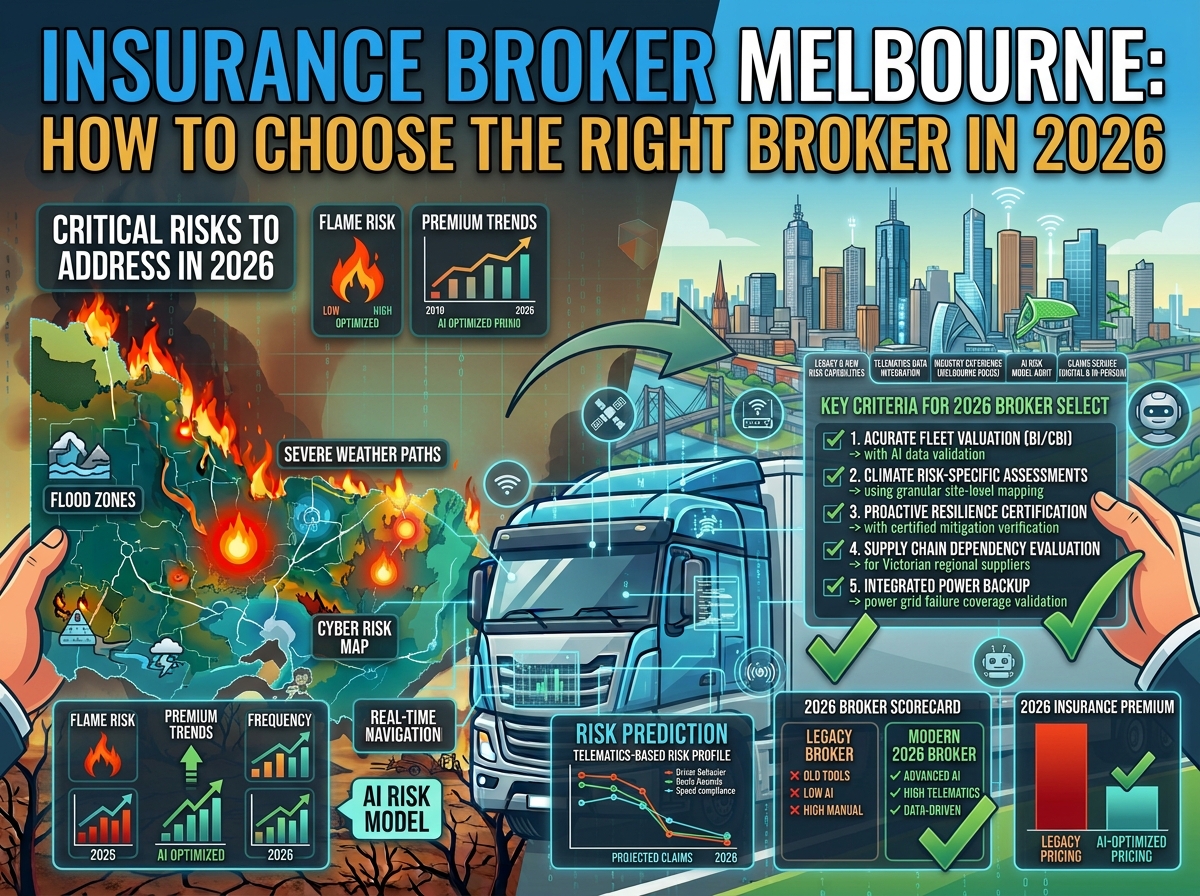
Insurance Broker Melbourne: How to Choose the Right Insurance Broker in 2026
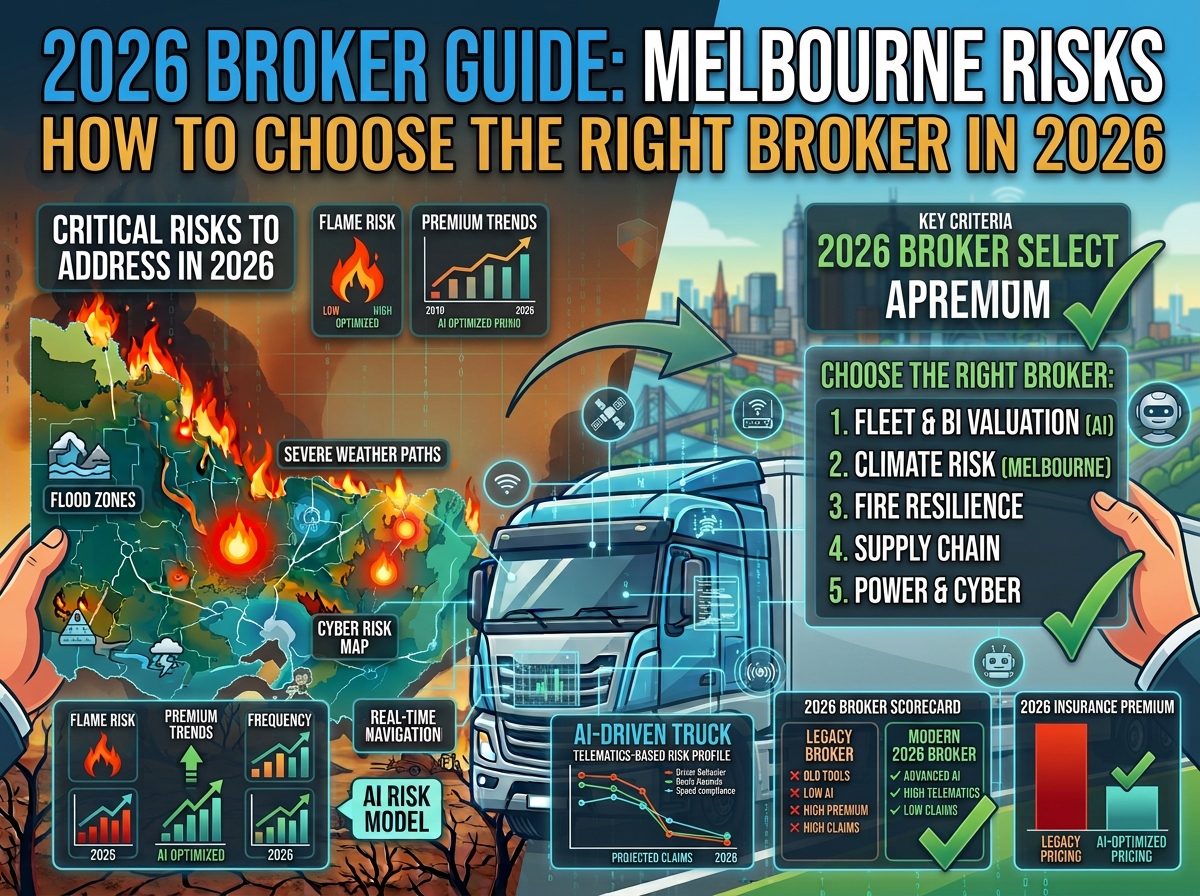
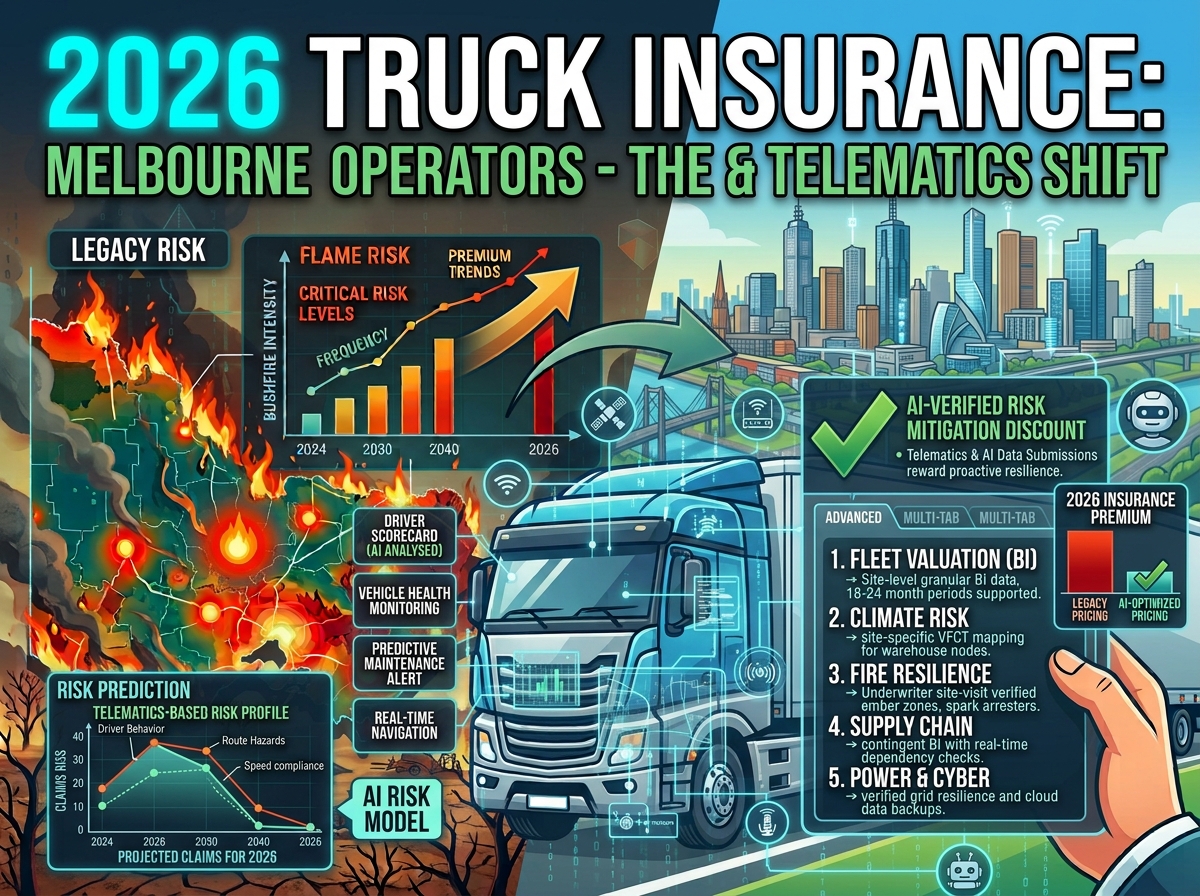
Truck Insurance Quote in 2026: How Telematics and AI Safety Technology Are Changing Truck Insurance in Melbourne


Truck Insurance Quote in 2026: What Melbourne Truck Operators Need to Know


Truck Insurance Quote: A Complete Guide to Truck Insurance in Melborune Australia
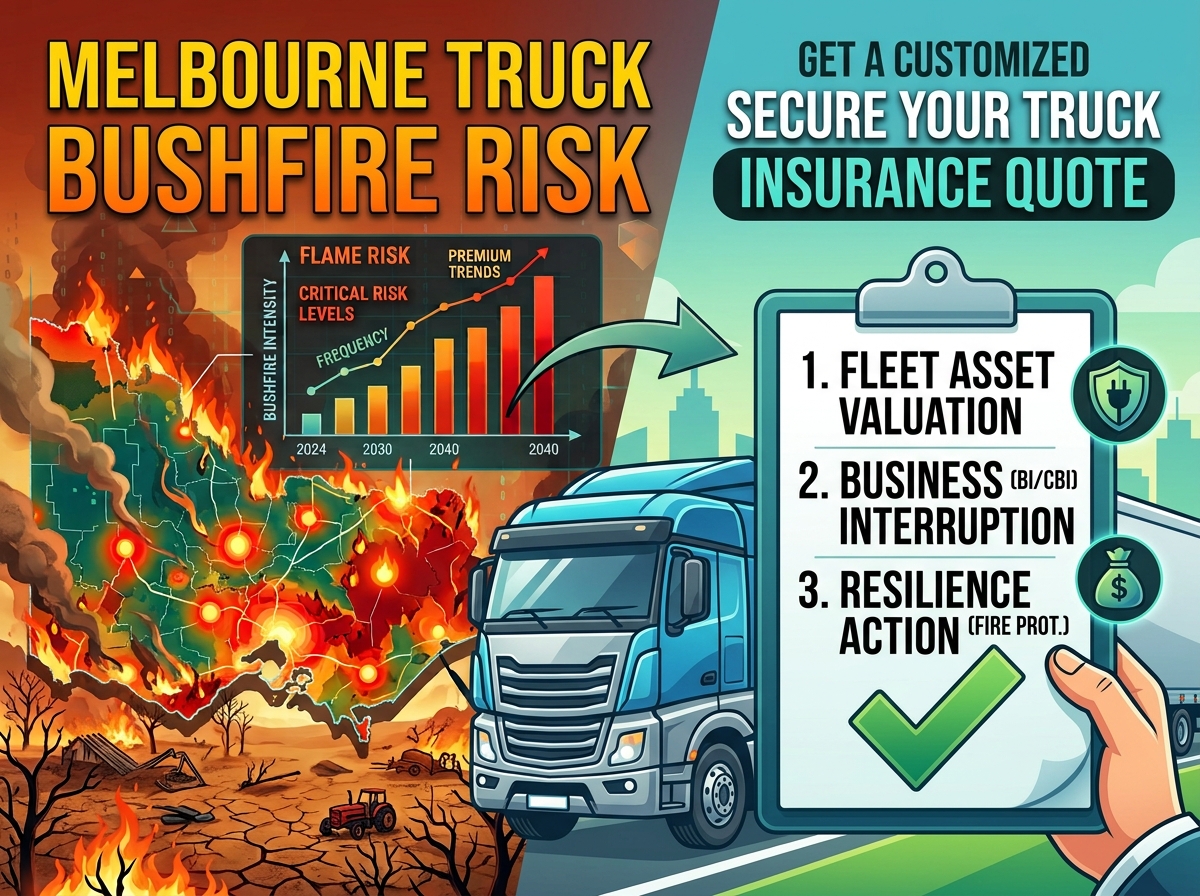
Bushfire & Climate Risk Insurance in Victoria: What Melbourne Businesses Should Review
.png)
Construction Insurance in Australia: What Every Builder, Tradie & Contractor Needs to Know

Cleaning Business Insurance Australia: Public Liability, Tools & Equipment Cover
A General Guide to Cargo & Marine Insurance

Types of Business Insurance: Liability & Directors Cover | Earnest Insurance

Sole Trader Public Liability Insurance | Costs & Cover

Everything You Need to Know About Small Truck Insurance

🏢 Commercial Property Insurance: What It Covers

Cafe & Coffee Shop Insurance

Insurance For Coffee Shops
.jpg)
Building & Construction Insurance Essentials
.jpg)

What you need to consider if you have a licensed venue

Insurance for the transport and logistics sector


What is really inside Business insurance?

Get in Touch
Have questions about insurance? Our expert brokers are here to help.