
Australia Bus and Truck Insurance: A Complete Guide for Commercial Fleet Operators
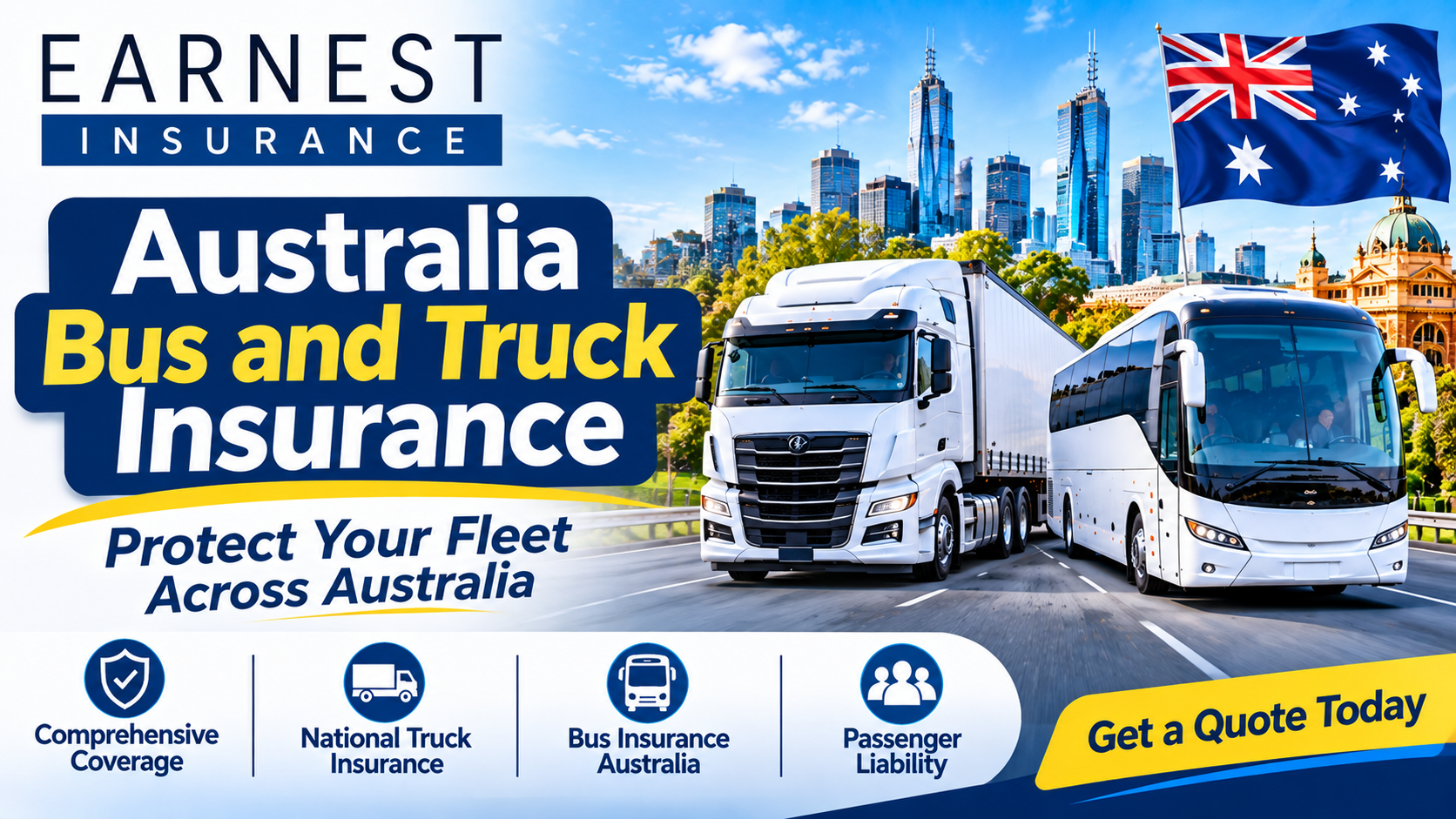
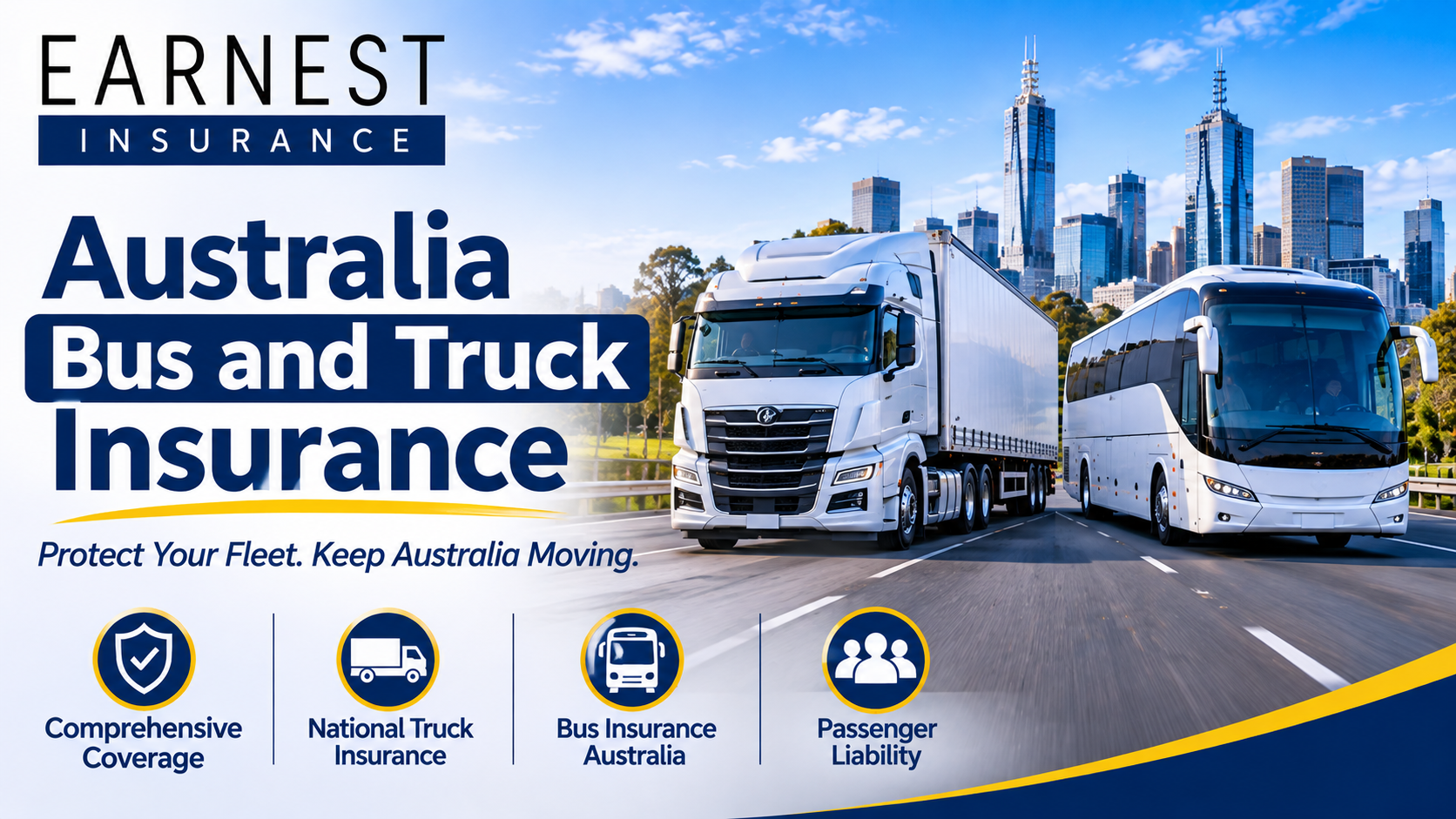
Introduction: Why Australian Transport Businesses Need the Right Insurance
Running a transport business in Australia involves much more than keeping vehicles on the road. Commercial operators must manage vehicle maintenance, driver safety, passenger responsibilities, freight arrangements, operating costs and unexpected disruptions.
Businesses operating trucks and buses face different risks, even when both vehicle types belong to the same company.
A freight operator may be concerned about vehicle damage, trailer losses, cargo protection and interstate transport. A passenger transport operator must consider passenger safety, vehicle condition, route requirements and the responsibilities associated with carrying people.
Australia bus and truck insurance helps commercial operators manage these different vehicle and business exposures through appropriate insurance arrangements. Depending on the operation, coverage may include commercial vehicle damage, third-party property liability, compulsory third-party insurance, passenger-related liability arrangements, goods in transit protection and additional benefits.
Selecting the right insurance requires understanding how each vehicle is used, who drives it, what it carries and where it operates.
For example, a transport company operating delivery trucks alongside staff shuttle buses should not assume that one standard commercial motor policy automatically addresses every risk. The company needs to review the different vehicle schedules, operating activities, liability exposures and policy conditions.
This guide explains how Australian businesses can approach bus and truck insurance, what coverage to consider, how national transport operations affect insurance requirements and what to review when working with a truck insurance broker in Melbourne.
1. Understanding Australia Bus and Truck Insurance
Bus and truck insurance refers to commercial motor insurance arrangements designed for businesses operating freight vehicles, passenger vehicles and commercial transport fleets.
Although trucks and buses share some road-related risks, their operations are quite different.
Truck insurance for freight and logistics businesses
Truck insurance is designed to address risks associated with commercial freight and other truck-related operations.
Depending on the policy, businesses may consider:
- Accidental damage to insured trucks.
- Theft and attempted theft.
- Third-party property damage liability.
- Fire and specified weather-related damage.
- Trailer and attached equipment protection.
- Optional downtime or business interruption benefits.
- Roadside assistance and recovery options.
- Tools and equipment cover.
- Separate goods in transit or cargo insurance.
The requirements of an owner-driver operating one truck will differ from those of a national transport company operating several prime movers, rigid trucks and trailers.
A suitable insurance arrangement should reflect the actual vehicles, freight activities, operating distances and drivers.
Bus insurance for passenger transport operators
Bus insurance Australia is relevant to businesses transporting passengers for commercial or organisational purposes.
Different operators may include:
- School bus operators.
- Charter bus companies.
- Tourism and sightseeing businesses.
- Airport transfer providers.
- Corporate employee transport services.
- Community transport organisations.
- Coach and interstate passenger operators.
- Private bus fleet owners.
A bus operator must consider vehicle damage and third-party liability alongside passenger-related operational exposures.
The passenger capacity, service type, operating routes and driver arrangements can all influence the insurance requirements.
For this reason, bus and truck insurance should be assessed according to the purpose of each vehicle rather than treating every commercial vehicle as identical.
2. Truck Insurance Australia: What Should Commercial Operators Consider?
Australian trucking businesses operate across different industries, including construction, retail distribution, manufacturing, agriculture, mining and logistics.
Each sector can introduce different transport risks.
For example, a construction company transporting building materials may need to consider load securing and site access. A refrigerated freight operator may have additional equipment and cargo-related considerations.
When arranging commercial truck insurance, consider the following areas.
Comprehensive truck insurance
Comprehensive commercial motor insurance can provide protection for the insured vehicle against specified accidental damage and other covered events, subject to policy terms.
It may also include legal liability for damage to other people's property.
The business should confirm the insured vehicle value, excess, permitted usage, driver conditions and exclusions.
Third-party property damage
This type of insurance generally addresses covered legal liability for damage caused to another person's property through the use of the insured vehicle.
It does not generally protect the insured truck against its own accidental damage.
Trailer insurance
Transport businesses frequently operate trucks with trailers, including flatbed, refrigerated, curtain-side and specialised trailers.
Confirm whether trailers are automatically included, listed separately or subject to additional insurance requirements.
Goods in transit insurance
One common misunderstanding among freight operators is assuming that insuring the truck automatically protects the goods inside it.
Truck insurance and cargo insurance address different financial interests.
A commercial motor policy generally concerns the vehicle and its specified liability exposures. Goods in transit or marine cargo insurance concerns the goods being transported.
A business handling high-value freight should review these arrangements separately.
Downtime protection
When a commercial truck is damaged, the business may experience lost operating capacity, missed deliveries and additional expenses.
Some insurance arrangements offer optional downtime or related benefits, subject to specific conditions and waiting periods.
Operators should establish what is actually included and whether the benefit reflects their business requirements.
Learn more about available options through Earnest Insurance's Truck Insurance service.
3. Bus Insurance Australia: Protecting Passenger Transport Operations
Passenger transport involves a different set of responsibilities from freight transportation.
A truck generally carries commercial goods, while a bus carries people who depend on the operator to maintain safe vehicles, employ appropriate drivers and manage transport schedules.
A suitable bus insurance arrangement should reflect these operating responsibilities.
Vehicle damage and repair costs
Buses can be expensive to repair because of their size, specialised components and passenger-related equipment.
A vehicle accident can also affect scheduled services and create difficulties for customers who rely on regular transport.
Check the policy's treatment of accidental damage, theft, fire and other specified insured events.
Passenger-related liability
Passenger transport operators should review the relevant personal injury and liability arrangements.
Compulsory Third Party (CTP) insurance is important, but it should not be confused with comprehensive bus insurance or every possible passenger-related liability exposure.
CTP operates under state and territory arrangements. It generally addresses statutory personal injury compensation arising from motor vehicle accidents, while vehicle and property damage require separate consideration.
For example, the New South Wales Green Slip scheme explains that CTP does not cover damage to vehicles or property. Queensland's Motor Accident Insurance Commission also distinguishes CTP personal injury cover from property damage insurance.
The details and benefits differ between jurisdictions, so operators should confirm their applicable state or territory requirements.
Driver and operational considerations
Bus operators should review driver licences, fatigue management, vehicle maintenance, passenger capacity and operational procedures.
The National Heavy Vehicle Regulator provides specific guidance for the bus and coach industry.
Its bus and coach fatigue management guidance explains important responsibilities involving driver fitness, scheduling, work and rest arrangements.
These safety practices support responsible fleet management, although they do not replace insurance cover.
Replacement and operational disruption
A bus taken off the road can affect school services, tourism bookings, charter contracts and scheduled passenger routes.
Ask whether the insurance options include relevant replacement vehicle or additional-expense benefits.
Check the conditions, limits and waiting periods before relying on them.
Explore Earnest Insurance's Bus and Coach Insurance page.
4. National Truck Insurance: Covering Operations Across Australia
Transport companies frequently move goods between Australian cities, regional centres and industrial locations.
A truck may begin a journey in Melbourne, deliver cargo in Sydney, collect a return shipment in Brisbane and continue towards another destination.
Businesses seeking national truck insurance should confirm that the proposed policy reflects their complete operating territory.
A policy should not be assumed to cover every state, territory, route or commercial activity simply because the vehicle is registered in Australia.
What should interstate operators check?
Geographical operating limits: Make sure the policy reflects the actual interstate and regional routes used by the business.
Vehicle schedules: Ensure every eligible truck and trailer is correctly recorded.
Driver arrangements: Disclose regular employees, occasional drivers, contractors and any applicable restrictions.
Cargo activities: Confirm whether freight type, dangerous goods, refrigerated goods or specialist loads affect acceptance or policy terms.
Vehicle modifications: Record relevant modifications, specialised equipment and changes to the vehicle's original specifications.
Recovery arrangements: Consider how an accident in a remote location might affect recovery, towing and additional operating expenses.
Example: A national freight operator
Imagine an Australian logistics business operating eight trucks across Victoria, New South Wales and Queensland.
The company adds two vehicles and takes on a new interstate contract.
Its insurance information should be reviewed to reflect the expanded fleet, updated vehicle values, operating areas and any changes to the types of freight transported.
If these changes are not communicated, the policy information may no longer accurately represent the operation.
This is why fleet reviews should take place whenever significant business changes occur, not just at annual renewal.
5. Managing a Mixed Fleet: When One Business Operates Both Trucks and Buses
A business may operate different commercial vehicles under the same ownership.
For example:
- A construction company may operate trucks for materials and buses for employee transport.
- A tourism company may operate coaches alongside commercial support vehicles.
- A regional operator may provide freight delivery and passenger services.
- A large organisation may operate service trucks, staff buses and maintenance vehicles.
Although these vehicles may belong to the same business, they do not necessarily need identical insurance coverage.
A mixed fleet should be reviewed by vehicle category, use and exposure.
Risk areaTruck operationsBus operationsPrimary activityFreight and goods transportPassenger transportVehicle damageImportantImportantThird-party property liabilityImportantImportantPassenger exposureGenerally not applicable to ordinary freight operationsMajor considerationGoods in transitOften relevantUsually not the primary exposureDriver fatigueImportantImportantTrailer and load risksOften relevantDepends on operationsPassenger capacityNot applicableImportantVehicle downtimeDelivery disruptionService disruptionCTPRequired under applicable registration arrangementsRequired under applicable registration arrangements
A structured insurance review makes it easier to identify which risks belong under each policy and which may need additional protection.
6. Insurance Requirements and Heavy Vehicle Safety in Australia
Commercial transport insurance should be considered alongside applicable vehicle registration, heavy vehicle and safety requirements.
The Heavy Vehicle National Law (HVNL) applies in participating Australian jurisdictions, with specific state and territory arrangements.
The National Heavy Vehicle Regulator (NHVR) oversees important areas involving heavy vehicle safety and compliance.
One particularly important area is Chain of Responsibility (CoR).
Understanding Chain of Responsibility
Chain of Responsibility recognises that heavy vehicle transport safety is influenced by more than the driver.
Depending on their activities, parties involved in transport can include:
- Vehicle operators.
- Employers.
- Schedulers.
- Freight consignors.
- Loaders and packers.
- Receivers.
- Other businesses that influence transport activities.
These parties may have responsibilities under the Heavy Vehicle National Law.
For example, an operator cannot manage fatigue risks simply by asking drivers to follow safe schedules. The business must also establish practical scheduling arrangements and appropriate procedures.
Similarly, loading operations should consider accurate cargo weights, appropriate vehicles and suitable load restraint.
The NHVR identifies fatigue, speeding, excessive mass and dimensions, poorly restrained loads and unsafe vehicles among the key risks that businesses should assess under their primary duty.
Useful resources include:
Why does this matter for insurance?
Insurers assess the overall risks associated with a commercial transport business.
A documented safety programme can help demonstrate how a company manages its vehicles, drivers, schedules and operational responsibilities.
However, legal compliance does not automatically guarantee insurance acceptance or a particular premium.
It is one part of a broader risk assessment.
7. How Telematics and Fleet Technology Can Support Insurance Planning
Technology is becoming an increasingly useful part of fleet management.
Commercial operators can use telematics, GPS tracking, dash cameras and vehicle monitoring systems to understand how their vehicles are being operated.
These tools can provide information about:
- Vehicle locations.
- Driving behaviour.
- Harsh braking and acceleration.
- Speeding patterns.
- Route efficiency.
- Vehicle utilisation.
- Maintenance requirements.
- Driver performance trends.
Telematics and truck insurance
For trucking companies, GPS and telematics can help identify unsafe driving patterns and improve route planning.
Operators may also use vehicle data to support maintenance schedules and investigate incidents.
Telematics and bus insurance
Passenger transport operators can use fleet technology to monitor vehicle movements, support scheduling and identify operational issues.
Driver safety procedures and timely maintenance are particularly important in passenger transport.
Can telematics reduce insurance premiums?
Possibly, but it is not guaranteed.
Insurance market commentary from Marsh identifies telematics, driver selection and maintenance records as factors receiving greater attention from underwriters.
Its 2026 small business market update also highlights the importance of accurate vehicle values and documented risk management.
Businesses should discuss with their broker whether specific technologies or safety programmes may influence available insurance terms.
8. How Much Does Bus and Truck Insurance Cost in Australia?
There is no single price for Australia bus and truck insurance.
Premiums depend on several aspects of the vehicle, business and operating environment.
Common factors include:
Vehicle value: The insured value, age, specifications and replacement cost of a vehicle can affect pricing.
Vehicle type: Prime movers, rigid trucks, tow trucks, school buses and coaches have different risk characteristics.
Driver history: Driving experience, claims history and the drivers permitted under the policy can affect underwriting.
Operating area: Local delivery, interstate transport and regional operations may involve different exposures.
Business activities: Freight type, passenger services, vehicle usage and operating schedules can affect the risk assessment.
Claims history: Previous accidents and claim frequency may influence the terms offered.
Security and maintenance: Vehicle storage, tracking, maintenance schedules and driver safety procedures may be relevant.
Excess and coverage selection: Higher excesses or different benefit structures can change the overall premium and financial responsibility after a claim.
Should businesses compare the cheapest policy?
A low premium is not necessarily the best result.
A business should compare the vehicle cover, exclusions, liability limits, excesses, territorial scope and optional benefits.
The objective is to find suitable coverage while keeping insurance costs manageable.
9. Top Rated Car Insurance vs Commercial Truck and Bus Insurance
People researching top rated car insurance often compare online ratings, customer reviews, premiums and comprehensive cover options.
However, personal vehicle insurance is different from commercial motor insurance.
A private comprehensive car policy is designed around personal vehicle ownership and permitted private use. A commercial truck or bus policy needs to address the risks associated with business operations.
For example, a truck carrying goods for customers may need commercial motor and separate goods-in-transit insurance.
A bus carrying passengers may require commercial vehicle coverage and appropriate passenger-related liability arrangements.
When comparing top rated car insurance, consumers should focus on personal vehicle requirements. Businesses should compare commercial policies according to their fleet activities instead of relying on personal car insurance rankings.
The type of insurance must match the actual use of the vehicle.
10. Finding a Truck Insurance Broker in Melbourne
Melbourne is an important commercial transport centre, with businesses operating freight vehicles across Victoria and interstate.
A company searching for a truck insurance broker Melbourne should look for a broker who understands commercial transport operations rather than just private vehicle insurance.
Useful questions to ask include:
- Can the insurance arrangement cover the type of truck and commercial activity involved?
- Are interstate and regional operating routes included?
- Are trailers and specialised equipment covered?
- Is goods-in-transit insurance required separately?
- What are the excesses and important exclusions?
- Are downtime, recovery or roadside benefits available?
- What claims assistance is provided?
- What information is needed before renewal?
The broker should also help explain the differences between available policies and highlight important conditions that could affect a claim.
Choosing a commercial insurance broker
Before selecting a broker, confirm their relevant authorisation and understand whether they are acting as your representative or under another disclosed arrangement.
You can check relevant financial services licensing information through ASIC.
For businesses based in Melbourne, regional Victoria and other Australian locations, Earnest Insurance provides options for commercial truck and passenger transport insurance.
11. Preparing Your Bus and Truck Fleet for Insurance Renewal
A well-organised renewal process can help businesses make better decisions.
Instead of waiting until the last moment, begin reviewing the fleet well before the existing policies expire.
Fleet renewal checklist
- Update the complete truck and bus vehicle schedule.
- Confirm current market or replacement values.
- Identify newly purchased, sold or modified vehicles.
- Review driver details and driving records.
- Update interstate and regional operating areas.
- Review cargo and passenger service activities.
- Record any previous claims and incidents accurately.
- Check trailer and specialist equipment arrangements.
- Prepare vehicle maintenance and inspection records.
- Review GPS, telematics and driver safety procedures.
- Examine excesses, exclusions and policy limits.
- Identify any changes to contracts or operational requirements.
This information can help the insurer or broker assess the current business rather than relying on outdated details.
Starting early also allows time to compare alternative terms and ask questions about important policy conditions.
12. Explore Bus and Truck Insurance Options with Earnest Insurance
Choosing suitable commercial motor insurance can become complicated when a business operates several vehicle types, carries different goods or provides passenger transport services.
Earnest Insurance provides commercial vehicle insurance options for Australian businesses, including dedicated truck and bus and coach insurance services.
Its truck insurance offering includes options for commercial vehicles, trailers and additional benefits, depending on policy selection.
The bus and coach insurance service addresses the requirements of passenger transport operators, including fleet, driver and operational considerations.
For businesses looking for Australia bus and truck insurance, Earnest can help explore available options based on their vehicles and business activities.
Truck insurance: Explore Truck Insurance with Earnest
Bus insurance: Explore Bus and Coach Insurance with Earnest
Contact: 1300 402 412
Website: www.earnestinsurance.com.au
When requesting a quote, provide accurate details about your vehicles, drivers, operating areas and business activities. This helps establish which insurance options are available and whether additional protection should be considered.
Frequently Asked Questions About Australia Bus and Truck Insurance
What is Australia bus and truck insurance?
Australia bus and truck insurance refers to commercial motor insurance arrangements designed for freight vehicles, passenger buses and coach fleets. Depending on the policy, it may include vehicle damage, third-party property liability and optional benefits for additional business exposures.
What does truck insurance cover in Australia?
Truck insurance can cover specified accidental damage, theft, fire and legal liability for third-party property damage, depending on the policy selected. Additional options may include trailer protection, roadside assistance, tools, equipment and downtime benefits.
What does bus insurance Australia include?
Bus insurance can address risks associated with commercial passenger transport, including vehicle damage and specified liability exposures. The available coverage depends on passenger services, vehicle use, policy wording and insurer acceptance.
Is CTP insurance enough for a commercial truck or bus?
No. CTP insurance primarily addresses statutory personal injury compensation arising from motor vehicle accidents under the relevant state or territory scheme. It does not generally cover damage to the insured vehicle, other property or transported cargo. Additional commercial motor and liability protection should be assessed.
Can I insure buses and trucks under one fleet policy?
Some insurers may offer fleet insurance arrangements that accommodate different vehicle types. Acceptance depends on the vehicles, operations, underwriting criteria and insurer conditions. Trucks and buses may still require separate sections, schedules or specialised coverage.
What is national truck insurance?
National truck insurance generally refers to commercial truck insurance intended for vehicles operating across Australia. Businesses should confirm the actual geographical territory, interstate routes, cargo activities and other requirements included in the policy.
Do I need separate insurance for goods carried in my truck?
Possibly. Commercial motor insurance and goods-in-transit insurance protect different financial interests. Businesses carrying customer goods should review cargo protection separately and check whether any existing arrangements are sufficient.
How much does truck insurance cost in Melbourne?
Truck insurance premiums vary according to vehicle value, type, use, driver history, operating locations, claims record, excess and selected coverage. An accurate quote requires details about the truck and business operations.
How can I find a truck insurance broker in Melbourne?
Compare brokers based on commercial transport experience, understanding of fleet requirements, policy comparisons, claims support and relevant authorisation. Earnest Insurance offers truck insurance options for Melbourne and Australian businesses.
Can small businesses insure one truck or bus?
Yes, insurance options may be available for eligible owner-drivers and smaller commercial operators. The insurer will assess the vehicle, business use, driver information and selected coverage.
Is top rated car insurance suitable for business trucks?
Not necessarily. Personal car insurance is designed for permitted private vehicle use, while business trucks require commercial motor insurance that reflects their operations. Always disclose business usage and confirm the relevant policy.
Conclusion: Protect Your Commercial Fleet with the Right Insurance
Running a successful transport business depends on more than having reliable vehicles and experienced drivers. It also requires a clear understanding of the financial risks associated with commercial freight and passenger operations.
Truck operators need to consider vehicle damage, cargo arrangements, trailer exposure, interstate routes and downtime. Bus operators must also address passenger-related risks, service interruptions and the responsibilities associated with commercial passenger transport.
For companies operating mixed fleets, a structured insurance review can help identify where different vehicles need different coverage and where additional protection may be appropriate.
Whether you are searching for national truck insurance, bus insurance Australia or a truck insurance broker in Melbourne, focus on the actual coverage, policy conditions and suitability for your business.
Speak with Earnest Insurance about your bus and truck insurance requirements.
Visit www.earnestinsurance.com.au or call 1300 402 412 to explore available commercial vehicle insurance options.
Important information: This article provides general information only and does not take into account your objectives, financial situation or needs. Insurance availability, limits, excesses, exclusions and conditions differ between insurers and policies. CTP requirements and benefits vary by state and territory. Read the applicable Product Disclosure Statement and policy wording and consider whether the insurance is appropriate for your circumstances before making a decision.
Sources and industry references
- Earnest Insurance – Truck Insurance
- Earnest Insurance – Bus and Coach Insurance
- National Heavy Vehicle Regulator – Chain of Responsibility
- NHVR – Bus and Coach Driver Fatigue Management
- NSW Government – What Does CTP Cover?
- Queensland Motor Accident Insurance Commission – CTP Insurance
- Marsh Australia – Transport and Logistics Insurance Trends
Subscribe to our newsletter
Related posts
More Blog Posts
Australia Bus and Truck Insurance: A Complete Guide for Commercial Fleet Operators

Marine Cargo Insurance in Australia: Protecting Lithium Batteries, Electric Vehicles and Energy Storage Shipments

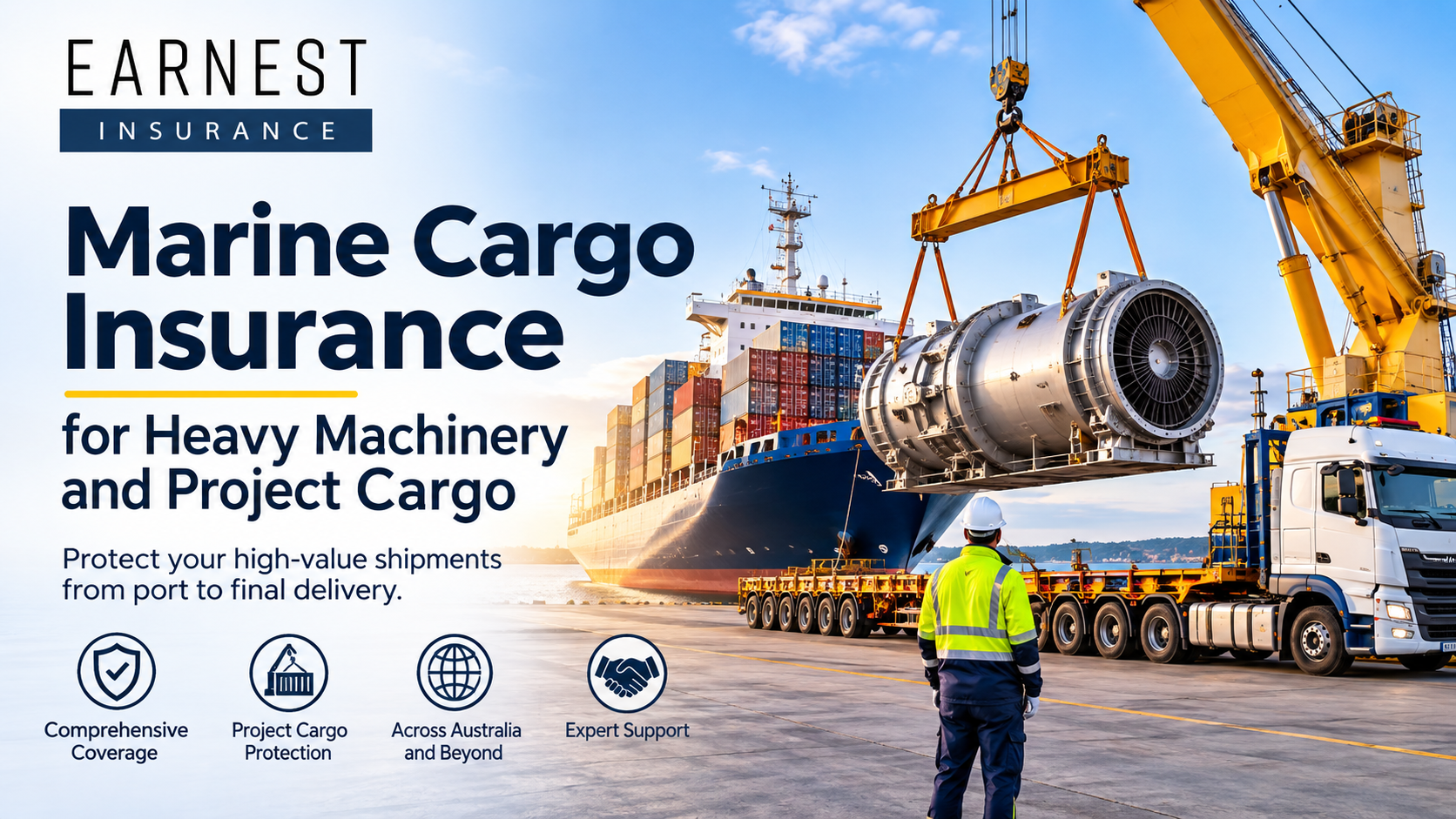
Marine Cargo Insurance for Heavy Machinery and Project Cargo in Australia
Marine Cargo Insurance for Perishable Goods: Protecting Australia's Cold Chain

Marine Cargo Insurance in Australia: From Supplier to Final Delivery

Is Your Business Properly Insured? 10 Insurance Gaps Australian Businesses Should Check Before Renewal


How to Choose the Right Business, Construction, Truck, Bus and Marine Cargo Insurance in Australia


How to Choose the Right Business, Construction, Truck, Bus and Marine Cargo Insurance in Australia


How Much Is Public Liability Insurance in Melbourne? A 2026 Guide for Businesses


Business Insurance Broker Melbourne: How to Choose the Right Cover for Your Business


Business Insurance Broker Melbourne: How to Choose the Right Cover for Your Business
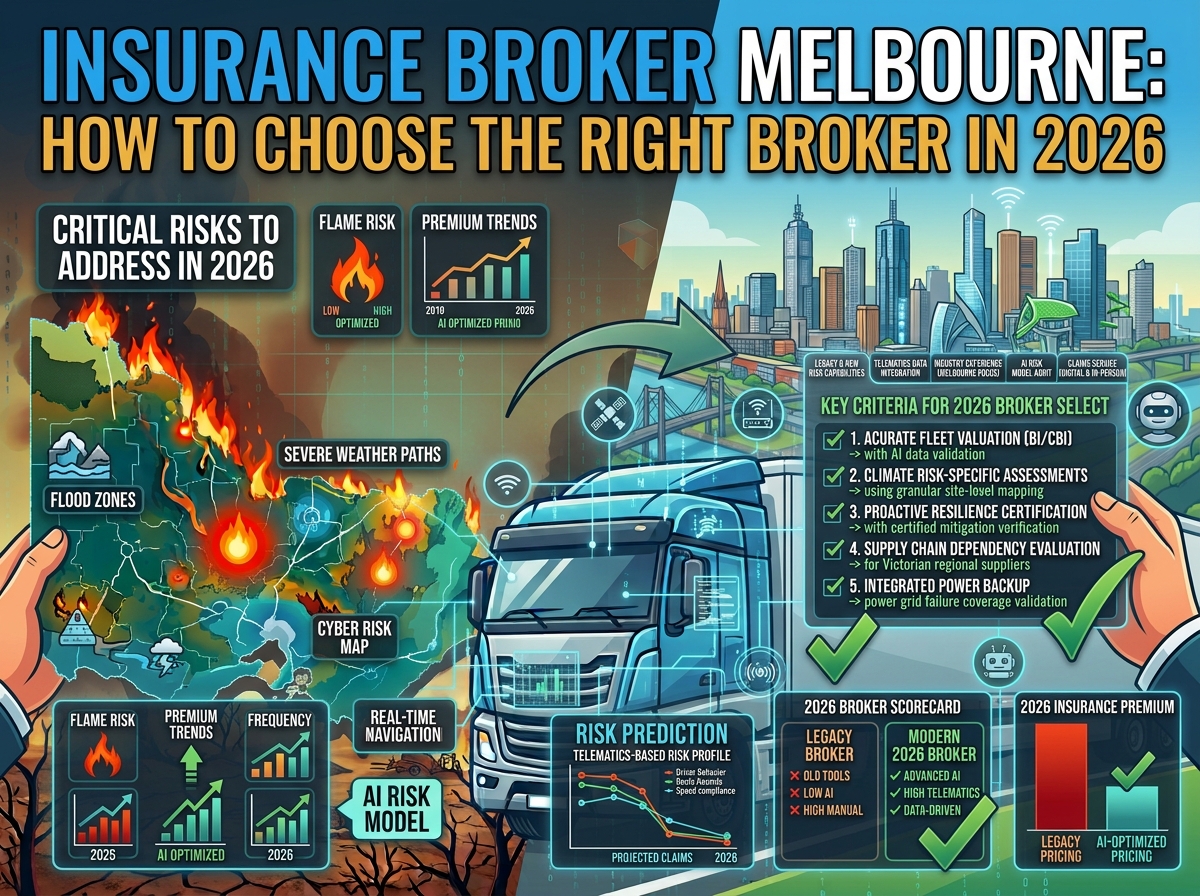
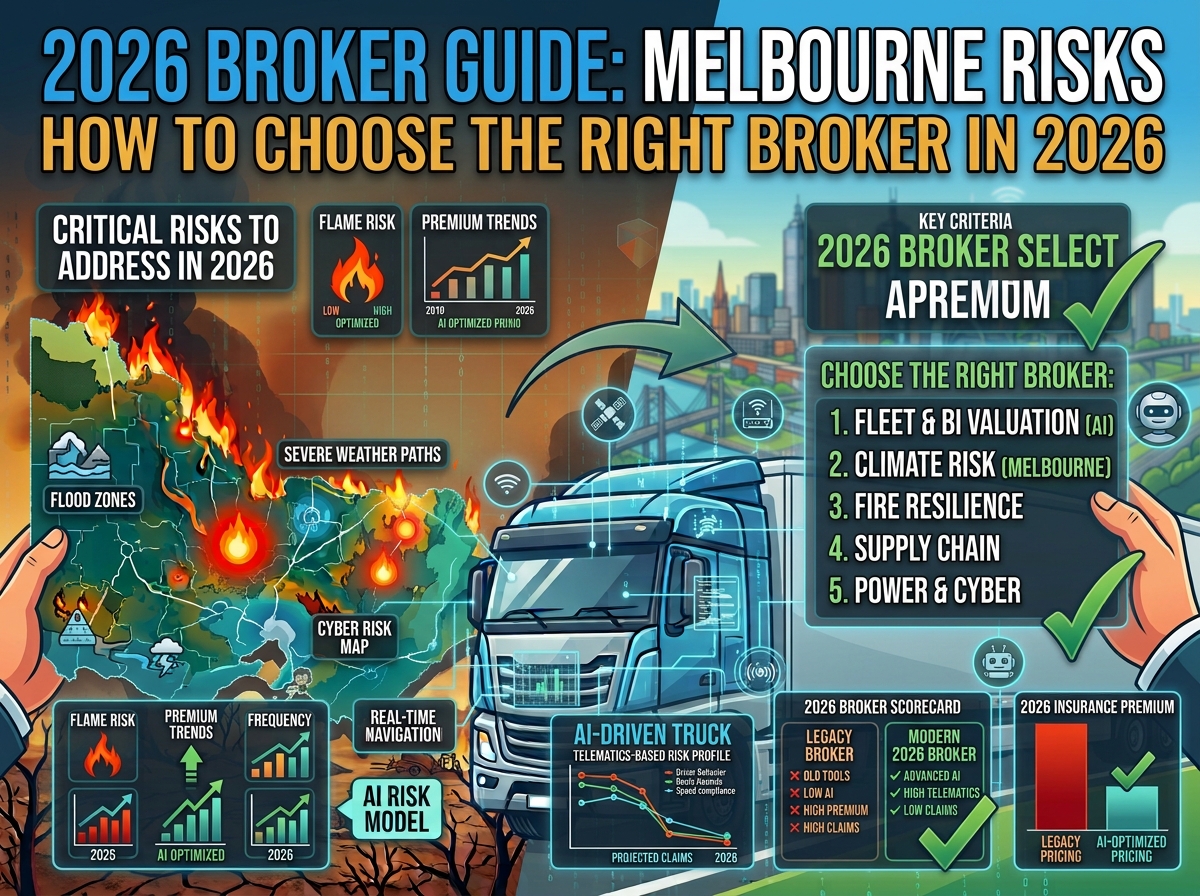
Insurance Broker Melbourne: How to Choose the Right Insurance Broker in 2026
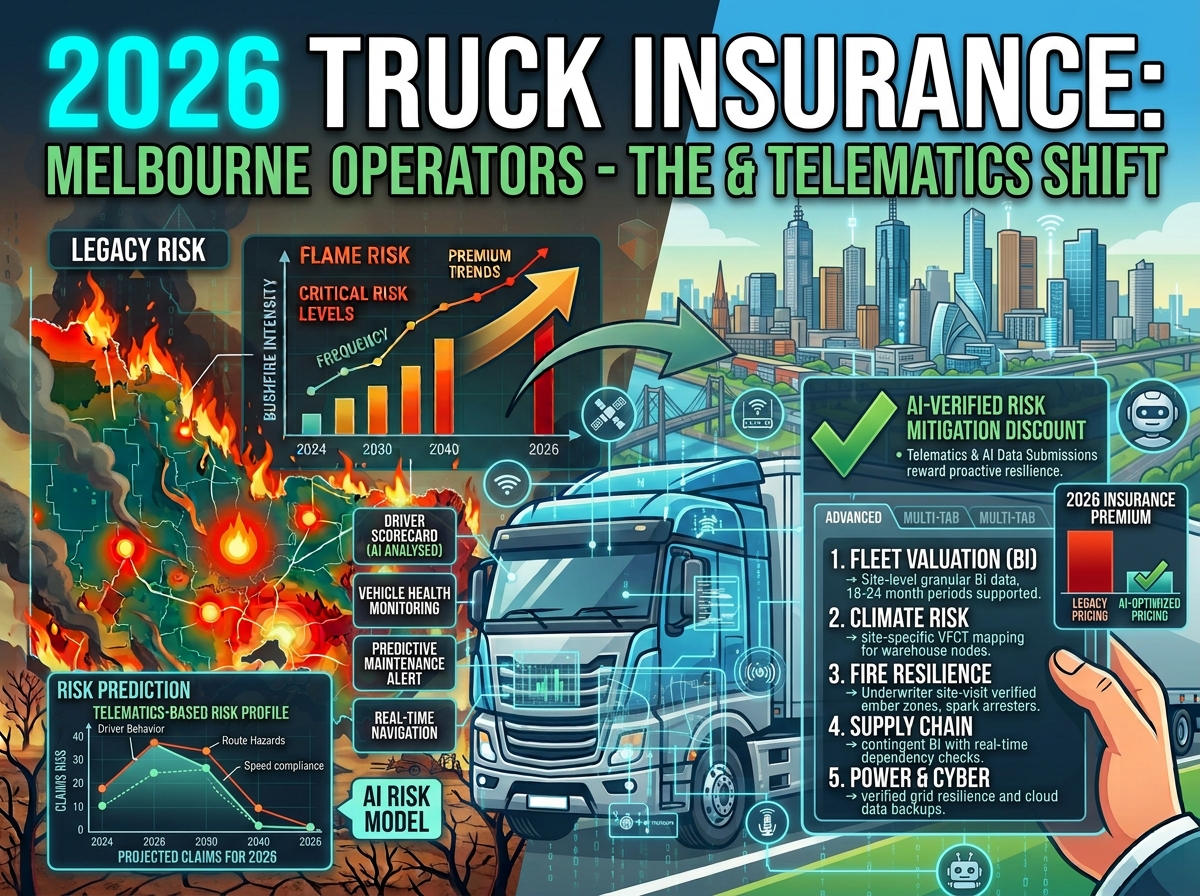
Truck Insurance Quote in 2026: How Telematics and AI Safety Technology Are Changing Truck Insurance in Melbourne
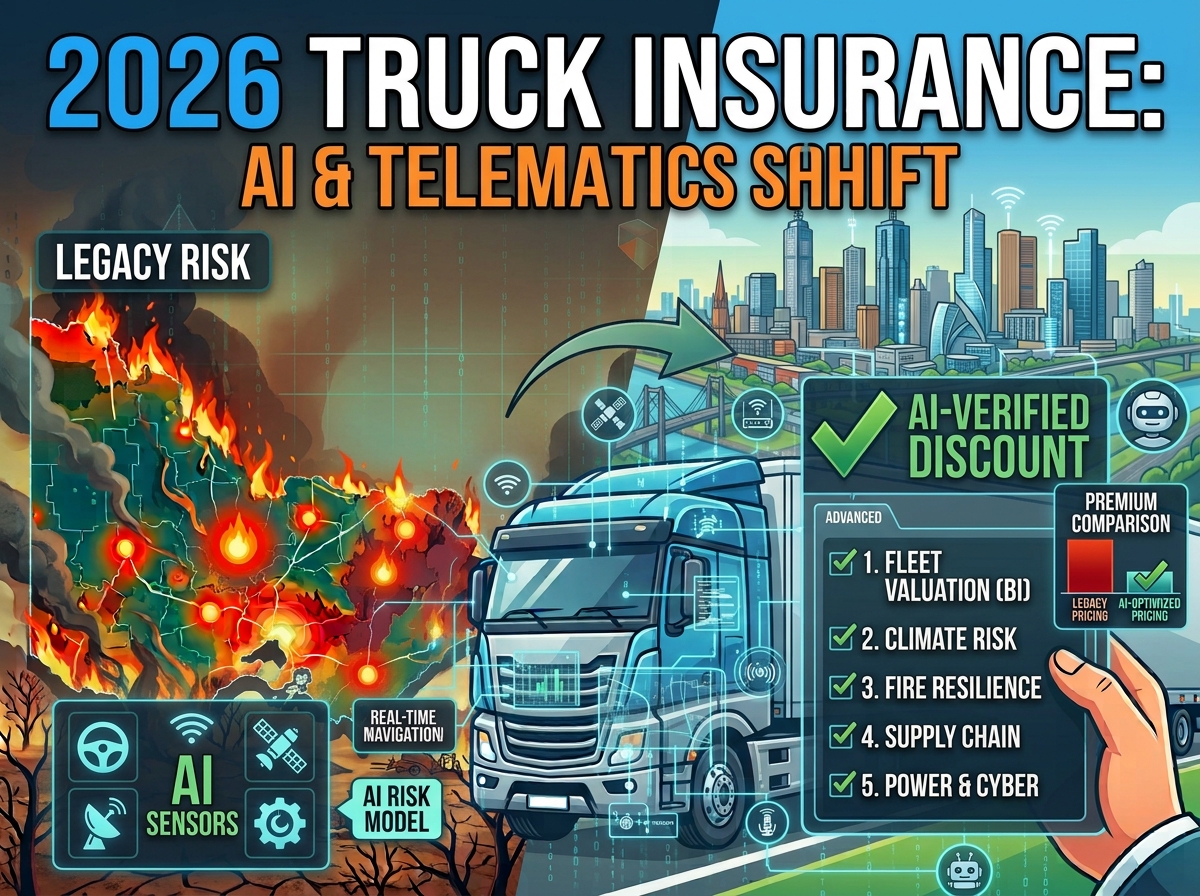

Truck Insurance Quote in 2026: What Melbourne Truck Operators Need to Know


Truck Insurance Quote: A Complete Guide to Truck Insurance in Melborune Australia
Bushfire & Climate Risk Insurance in Victoria: What Melbourne Businesses Should Review

Construction Insurance in Australia: What Every Builder, Tradie & Contractor Needs to Know

Cleaning Business Insurance Australia: Public Liability, Tools & Equipment Cover

A General Guide to Cargo & Marine Insurance

Types of Business Insurance: Liability & Directors Cover | Earnest Insurance

Sole Trader Public Liability Insurance | Costs & Cover
Everything You Need to Know About Small Truck Insurance

🏢 Commercial Property Insurance: What It Covers

Cafe & Coffee Shop Insurance

Insurance For Coffee Shops

Building & Construction Insurance Essentials


What you need to consider if you have a licensed venue

Insurance for the transport and logistics sector


What is really inside Business insurance?

Get in Touch
Have questions about insurance? Our expert brokers are here to help.