
How to Choose the Right Business, Construction, Truck, Bus and Marine Cargo Insurance in Australia


Australian businesses face different risks depending on what they build, transport, own and operate. The right insurance strategy starts with understanding those risks and choosing policies that match your actual business activities, assets, contractual obligations and potential liabilities.
Building and construction insurance can help address risks associated with projects, tools and equipment. Marine cargo insurance can protect insured goods during covered transit, while truck and bus insurance can address specified risks involving commercial vehicles. A suitable insurance broker can help businesses compare available policies, understand exclusions and identify potential coverage gaps before choosing a policy.
Whether you are a contractor, importer, transport operator or business owner searching for an insurance broker in Melbourne or a business insurance broker in Townsville, it is important to compare coverage and policy conditions alongside price.
Earnest Insurance helps Australian customers explore insurance options across business and specialist sectors. This guide explains the key considerations for construction, cargo, truck, bus and car insurance, and how to make a more informed insurance decision.
Why Is the Right Business Insurance Important?
A business does not need to experience a major disaster to face a financial setback. Equipment theft, accidental property damage, vehicle accidents, damaged deliveries or a liability claim can all place pressure on cash flow and daily operations.
The risks also differ significantly between industries. A construction contractor may rely on specialised machinery and expensive materials, whereas a freight company depends on its vehicles, drivers and delivery schedules. An importer may be more concerned about the value of goods moving between overseas suppliers and Australian customers.
Common insurance considerations include:
- Damage to commercial premises, equipment, tools, stock or materials.
- Third-party injury or property damage claims.
- Accidental damage to commercial vehicles.
- Loss of or damage to goods during transit.
- Professional errors or omissions.
- Certain financial losses following an insured event.
- Insurance requirements under customer contracts, leases or construction agreements.
Not every policy covers all these risks. Businesses may need several separate policies to address different exposures.
The Australian Government’s business insurance guide explains common insurance categories and what they are generally designed to cover. The important step is to identify which risks apply to your operation before comparing insurance options.
1. Building and Construction Insurance: Protecting Projects, Contractors and Equipment
Construction businesses work across changing sites, manage subcontractors, operate machinery and handle materials that can be expensive to replace. A single incident can affect a project budget, delay completion and create disputes over responsibility.
Building and construction insurance refers to insurance arrangements that address specified risks associated with building projects and construction-related activities. The appropriate cover depends on the work being performed, the contract, the insured parties and the wording of each policy.
What can building and construction insurance cover?
Depending on the business and project, contractors may need to consider the following options.
Contract works insurance: This may cover specified construction works and materials against insured physical loss or damage during the covered period. Contractors should confirm when the cover starts and ends, which parties are insured and whether materials stored off-site or in transit are included.
Public liability insurance: This can help cover covered legal liability for third-party injury or property damage arising from business activities. For example, accidental damage to neighbouring property during excavation may result in a claim.
Tools, plant and equipment insurance: Builders, electricians, plumbers and other tradespeople often depend on tools and machinery to complete jobs. Appropriate cover may help with insured theft, damage or other specified losses.
Professional indemnity insurance: Builders, consultants, architects, designers and other professionals who provide advice or design services may need cover for claims relating to alleged errors, omissions or negligence, subject to the policy terms.
Commercial motor insurance: Utes, trucks and other vehicles used for business purposes may require separate commercial vehicle cover.
These policies serve different purposes. A contractor should not assume that purchasing one construction policy automatically protects every tool, vehicle, project or liability exposure.
Example: A contractor managing multiple sites
Imagine a building contractor has materials stored at one construction site and machinery kept at a separate depot. A storm damages some materials, while tools are later reported stolen from the depot.
The contractor will need to establish whether the affected property, locations and events fall within the relevant policies. Storage conditions, security requirements, insured values, excesses and exclusions may all matter.
Before arranging cover, prepare a clear description of your business activities, annual turnover where requested, project values, equipment, subcontracting arrangements and the type of work you undertake.
Explore the options on Earnest Insurance’s Building and Construction Insurance page.
2. Marine Cargo Insurance and Cargo Insurance Coverage
Importers, exporters, wholesalers, manufacturers and retailers often move goods between suppliers, warehouses, ports and customers. During this journey, shipments may be exposed to accidental damage, theft and other risks.
Marine cargo insurance can protect insured goods against specified loss or damage during covered transit. Despite the name, the policy may extend beyond the sea voyage to include road, air or combined transport, depending on the policy wording and agreed transit arrangements.
What does cargo insurance coverage include?
Depending on the policy, cargo insurance coverage may address:
- Physical loss of or damage to insured goods during covered transit.
- Shipments moving by sea, road or air, where the relevant transport is included.
- Specified loading, unloading, handling or transhipment risks.
- Imported or exported stock moving between agreed locations.
- Certain temporary storage arrangements, where expressly covered.
Coverage is not unlimited. Delays, inadequate packaging, inherent defects, particular types of goods and other circumstances may be excluded or subject to special conditions.
Businesses should also distinguish cargo insurance from carrier liability. A freight company’s legal or contractual liability for damaged goods may be limited, so it should not automatically be assumed that the carrier will reimburse the full shipment value.
How should Australian businesses assess cargo insurance?
Before arranging cover, consider the following questions:
What is the value of the shipment? Confirm the valuation basis and whether relevant freight costs, duties or other expenses are included.
Which route will the goods follow? International shipping, domestic road transport and multimodal journeys can create different exposures.
Who is responsible for the goods? Purchase contracts and agreed Incoterms can help establish the responsibilities of buyers and sellers, but the insurance arrangement should still be checked separately.
Are loading, unloading and storage included? Confirm whether the policy applies during these stages, along with any conditions or time limits.
Are the goods specialised? Fragile, perishable, high-value or unusual products may require specific terms or underwriting arrangements.
For example, an Australian retailer receiving a damaged shipment of electronic equipment should document the damage, retain relevant packaging and shipping records, notify the appropriate parties promptly and follow the insurer’s claims process.
Learn more about available options on Earnest Insurance’s Marine Insurance page.
3. National Truck Insurance for Australian Transport Businesses
Trucks connect manufacturers, distribution centres, construction sites, wholesalers and customers across Australia. For transport businesses, vehicle damage can mean more than repair expenses: it may also disrupt schedules and affect customer commitments.
National truck insurance is a useful search term for operators seeking commercial truck cover for vehicles working across Australia. The policy needs to reflect the vehicles, business activities, routes and drivers involved, rather than simply the state where the business is registered.
An owner-driver with one rigid truck may need a different arrangement from a transport company operating prime movers, trailers and a multi-vehicle fleet.
What should truck insurance address?
When comparing policies, consider:
Accidental damage and theft: Understand which insured events are covered and whether settlement is based on agreed value, market value or another stated method.
Third-party property liability: Check how the policy responds to covered liability for damage to another person’s property arising from the use of the insured vehicle.
Trailers and specialised equipment: Confirm which trailers, accessories and attachments are insured, and whether they need separate cover.
Goods in transit: Truck insurance does not automatically mean the goods being carried are insured. A separate goods-in-transit or marine cargo policy may be needed.
Downtime and additional costs: Check whether optional benefits apply to replacement transport, specified additional expenses or income-related losses following an insured incident.
Vehicle usage and routes: Disclose interstate operations, long-haul work, delivery activities, towing or other specialist uses accurately.
Compulsory Third Party (CTP) insurance is also relevant to registered vehicles under Australia's state and territory arrangements. However, CTP primarily addresses covered personal injury liability. It does not replace insurance for damage to the truck, third-party property or transported goods.
Choosing a truck insurance broker in Melbourne
A truck insurance broker in Melbourne should help you understand the differences between available cover options, subject to the broker’s services and authorisations.
Before choosing a policy, ask whether the quotation reflects the correct vehicle values, operating radius, driver arrangements, trailers and commercial activities. Compare excesses, exclusions and claims conditions, not just the premium.
Transport companies operating across multiple states should also confirm that their policy reflects their actual routes and operating arrangements.
Explore the available options on Earnest Insurance’s Truck Insurance page.
4. Bus Insurance Australia: Cover for Bus and Coach Operators
Bus and coach operators manage risks involving vehicles, drivers, passenger services and daily scheduling. A school transport provider, tourism business, charter operator and staff shuttle service may have very different insurance requirements.
Bus insurance in Australia should be assessed according to vehicle use, passenger capacity, routes, fleet size and the risks associated with each service.
What should bus operators consider?
Vehicle damage: Review cover for accidental damage, theft and other specified events affecting buses and coaches.
Liability exposures: Understand the protection available for covered legal liabilities and how it interacts with compulsory injury insurance and other requirements.
Passenger services: Make sure the declared use reflects school transport, tourism, charter work, accessible transport or any other specialist activity.
Fleet management: Keep vehicle schedules, insured values and changes to the fleet up to date.
Operational disruption: Check whether any additional benefits address specified expenses arising when a vehicle becomes unavailable after an insured event.
For example, if a coach is damaged during a busy tourism period, the operator may face repair costs as well as customer rescheduling and replacement transport expenses. Those additional costs are not automatically covered by every policy.
Businesses looking for Australian bus and truck insurance should compare the requirements for each vehicle category rather than assuming one standard commercial motor policy will address every risk.
See Earnest Insurance’s Bus and Coach Insurance page for available options.
5. Finding an Insurance Broker in Melbourne or a Business Insurance Broker in Townsville
Choosing a broker is not simply a matter of finding the lowest quote. A useful insurance review starts with understanding the business and identifying where coverage may be insufficient, unsuitable or unnecessarily overlapping.
Businesses searching for an insurance broker in Melbourne may need help comparing commercial property, public liability, construction, professional indemnity or fleet insurance.
A business seeking a business insurance broker in Townsville may have different regional considerations, including construction work, freight operations and property exposures. Businesses in North Queensland should accurately disclose their operating locations and any relevant storm, cyclone or flood exposure. Availability, exclusions and terms depend on the insurer and the individual risk assessment.
When comparing brokers, ask:
- Do they understand your specific industry and commercial activities?
- Can they explain the key policy limits, exclusions, excesses and conditions?
- Can they compare suitable options from insurers they have access to?
- What assistance can they provide during a claim?
- Are their authorisation and disclosure details clear?
Earnest Insurance lists business insurance services across Australia, with a Melbourne presence. Businesses can explore its Business Insurance options and confirm whether the available services suit their location and requirements.
The Australian Government recommends consulting registered insurance providers or brokers and carefully reviewing policy documentation. You can read more in its guide to managing business insurance.
6. How Does Top Rated Car Insurance Compare With Commercial Vehicle Insurance?
People searching for top rated car insurance are often comparing personal vehicle policies, customer ratings and premiums. However, a high rating does not necessarily mean a policy is the most suitable choice for every driver.
For private vehicles, compare comprehensive cover, third-party property damage, excesses, agreed or market value, exclusions and optional benefits. Consider the insurer’s claims process and whether the policy matches how the vehicle is used.
Commercial vehicle insurance has a different purpose. A car used for business, a truck carrying freight and a bus transporting passengers may have exposures that a standard personal car policy does not address.
Always disclose business use and confirm that the policy permits the activities you undertake. Customer reviews can help narrow your options, but the actual policy wording should guide the final decision.
For readers whose primary need is personal vehicle cover, a dedicated comparison of car insurance policies is more useful than relying on a broad commercial insurance guide.
7. How to Compare Insurance Policies Without Focusing Only on Price
A low premium can be attractive, especially when operating costs are rising. But two quotes with similar prices may offer different limits, excesses, exclusions and additional benefits.
Use this practical checklist before choosing cover.
Step 1: Prepare your business details. List your activities, locations, employees, turnover where relevant, assets, vehicles, equipment, contracts and transported goods.
Step 2: Identify your obligations. Check applicable legal requirements, customer contracts, construction agreements, leases and finance conditions.
Step 3: Compare policy wording. Review sums insured, liability limits, excesses, sublimits, territorial limits, conditions and exclusions.
Step 4: Check what is not covered. Ask whether particular goods, activities, locations, vehicles or types of work require separate cover.
Step 5: Understand the claims process. Check reporting requirements, supporting documents and the procedure for notifying an incident.
Step 6: Review cover after business changes. New vehicles, larger projects, increased stock values, new freight routes and additional services can change your insurance needs.
ASIC provides information about insurance regulation and Product Disclosure Statements. Review the applicable PDS, policy wording and other disclosure documents before making a decision.
Frequently Asked Questions About Business and Commercial Insurance
What does building and construction insurance cover?
Building and construction insurance may address specified risks involving construction works, materials, tools, equipment and liability. Depending on the business, separate contract works, public liability, professional indemnity and commercial motor policies may also be needed. Cover depends on the policy wording and project requirements.
What is marine cargo insurance in Australia?
Marine cargo insurance protects insured goods against specified loss or damage during covered transit. Depending on the policy, this may include international shipping, domestic transport and combined journeys. The goods, route, valuation method, exclusions and conditions determine the protection available.
Does truck insurance include cargo insurance coverage?
Not necessarily. Truck insurance generally addresses specified risks involving the insured vehicle, while cargo insurance addresses insured goods during transit. Businesses should confirm whether separate goods-in-transit or marine cargo cover is required.
What is the difference between bus insurance and truck insurance?
Both can involve commercial motor risks, but the vehicle use and operational exposures differ. Bus insurance must reflect passenger transport and the service provided, while truck insurance needs to reflect freight activities, vehicle configurations and operating routes. Appropriate terms depend on the individual policy.
Can an insurance broker in Melbourne help a business operating nationally?
A broker may be able to help businesses compare insurance options for operations across Australia, depending on their services, insurer access and authorisations. Confirm that the broker can accommodate the locations, vehicles and activities involved.
How do I choose a business insurance broker in Townsville?
Look for a broker who understands your industry, explains exclusions and policy limits clearly, and can compare appropriate options for your business. Confirm that the broker services your location and that the relevant authorisation and disclosure requirements are satisfied.
How do I find top rated car insurance?
Compare policies based on the vehicle, how it is used, insured value, excess, exclusions and claims arrangements. Customer ratings may be helpful, but they should not replace reviewing the actual policy terms and considering your individual needs.
Make a More Informed Insurance Decision With Earnest Insurance
The right insurance strategy begins with understanding the risks your business actually faces. Construction businesses need to consider projects, materials and equipment. Importers and exporters should assess the full journey their goods take. Truck and bus operators need policies that reflect their vehicles, routes and commercial activities.
Comparing policy terms and identifying possible coverage gaps can help businesses make better-informed decisions about the protection they arrange.
Earnest Insurance provides information and insurance options across business and specialist sectors, including building and construction, marine, truck, and bus and coach insurance.
Visit Earnest Insurance or call 1300 402 412 to discuss your insurance requirements and explore the available options.
Important information: This article provides general information only and does not take into account your objectives, financial situation or needs. Insurance availability, coverage, exclusions, conditions and limits vary by insurer and policy. Read the applicable Product Disclosure Statement (PDS), policy wording and disclosure documents, and consider whether the proposed cover is appropriate for your circumstances before making a decision.
Subscribe to our newsletter
Related posts
More Blog Posts
How to Choose the Right Business, Construction, Truck, Bus and Marine Cargo Insurance in Australia

How to Choose the Right Business, Construction, Truck, Bus and Marine Cargo Insurance in Australia


How Much Is Public Liability Insurance in Melbourne? A 2026 Guide for Businesses


Business Insurance Broker Melbourne: How to Choose the Right Cover for Your Business


Business Insurance Broker Melbourne: How to Choose the Right Cover for Your Business
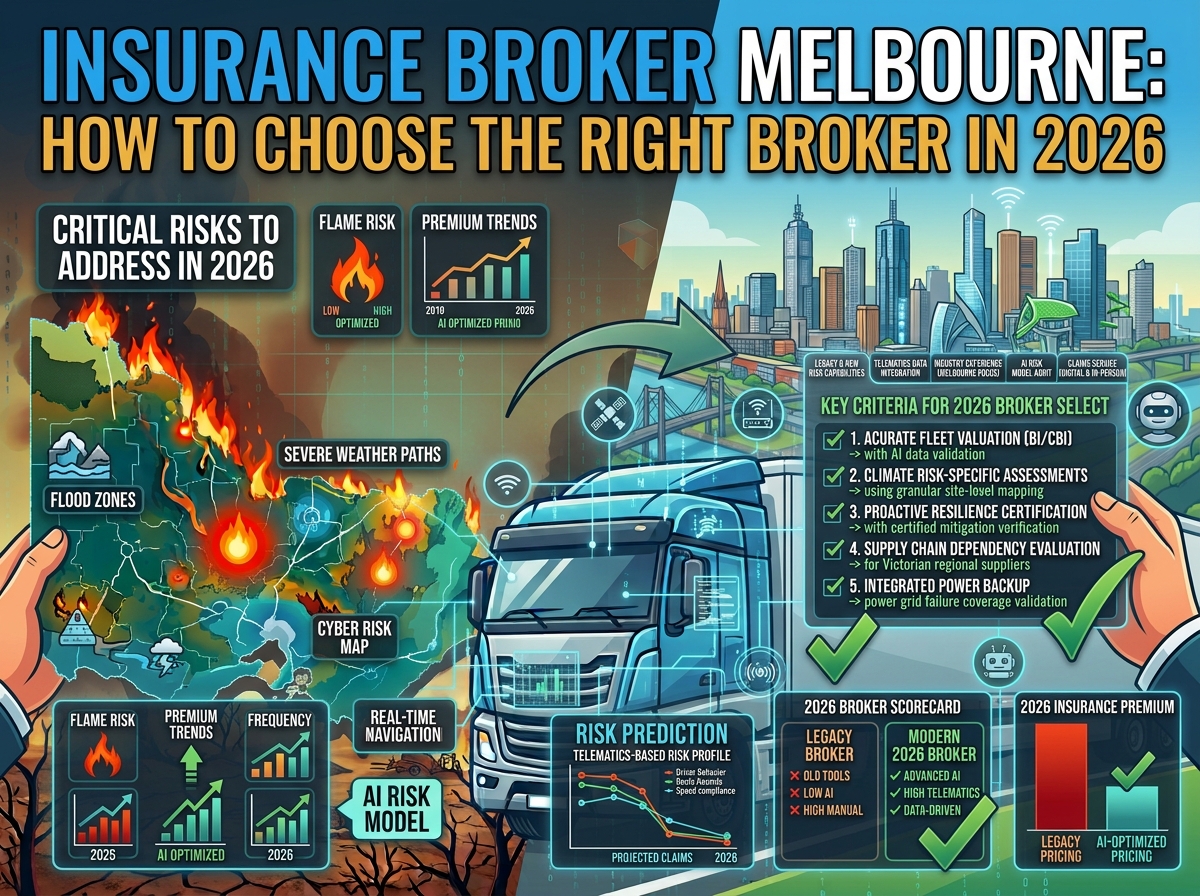
Insurance Broker Melbourne: How to Choose the Right Insurance Broker in 2026
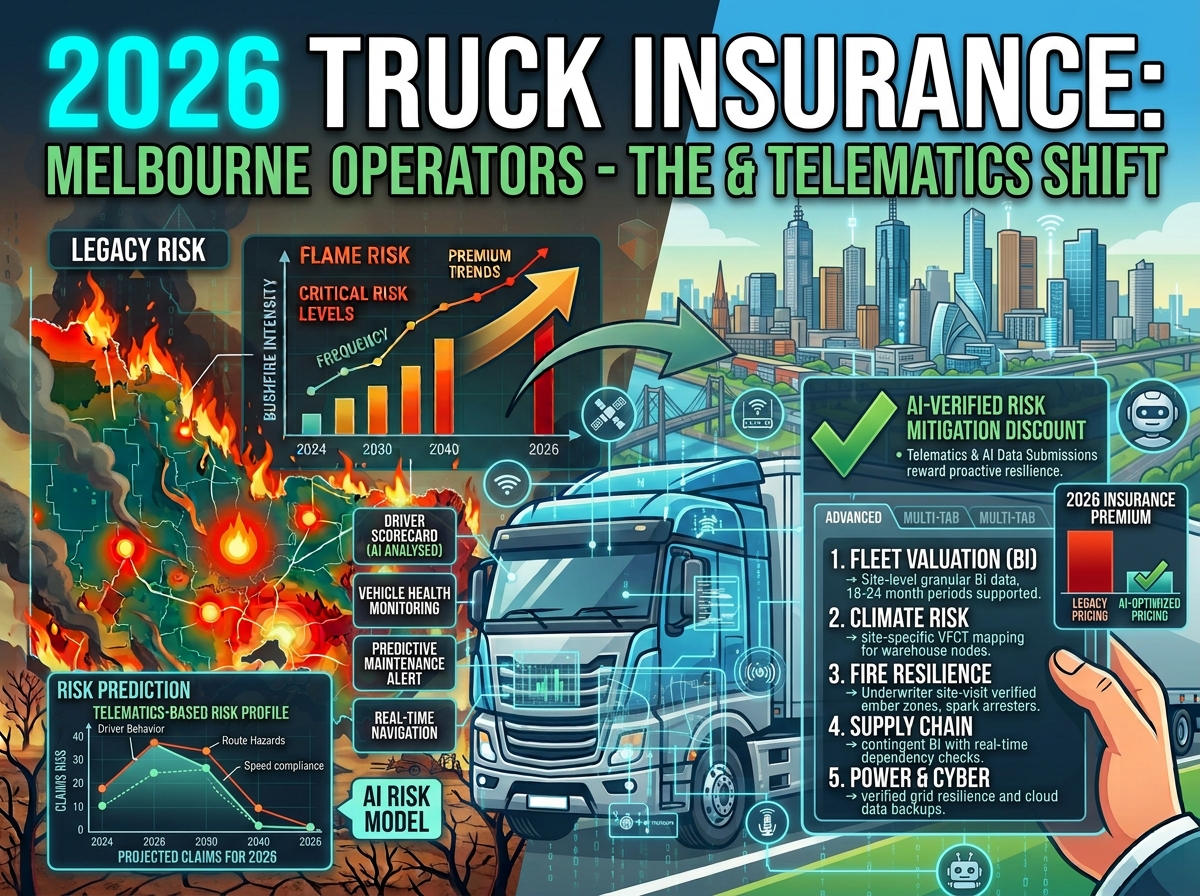
Truck Insurance Quote in 2026: How Telematics and AI Safety Technology Are Changing Truck Insurance in Melbourne
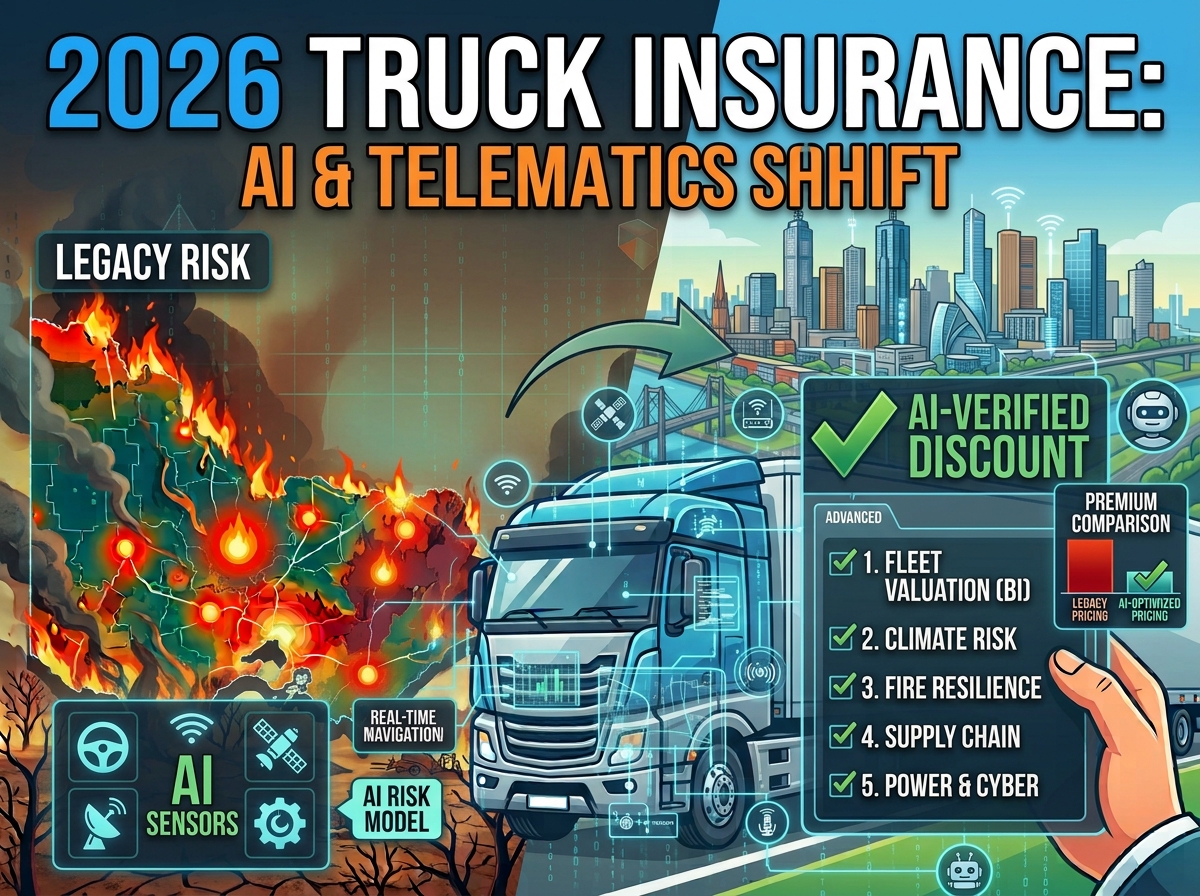

Truck Insurance Quote in 2026: What Melbourne Truck Operators Need to Know


Truck Insurance Quote: A Complete Guide to Truck Insurance in Melborune Australia
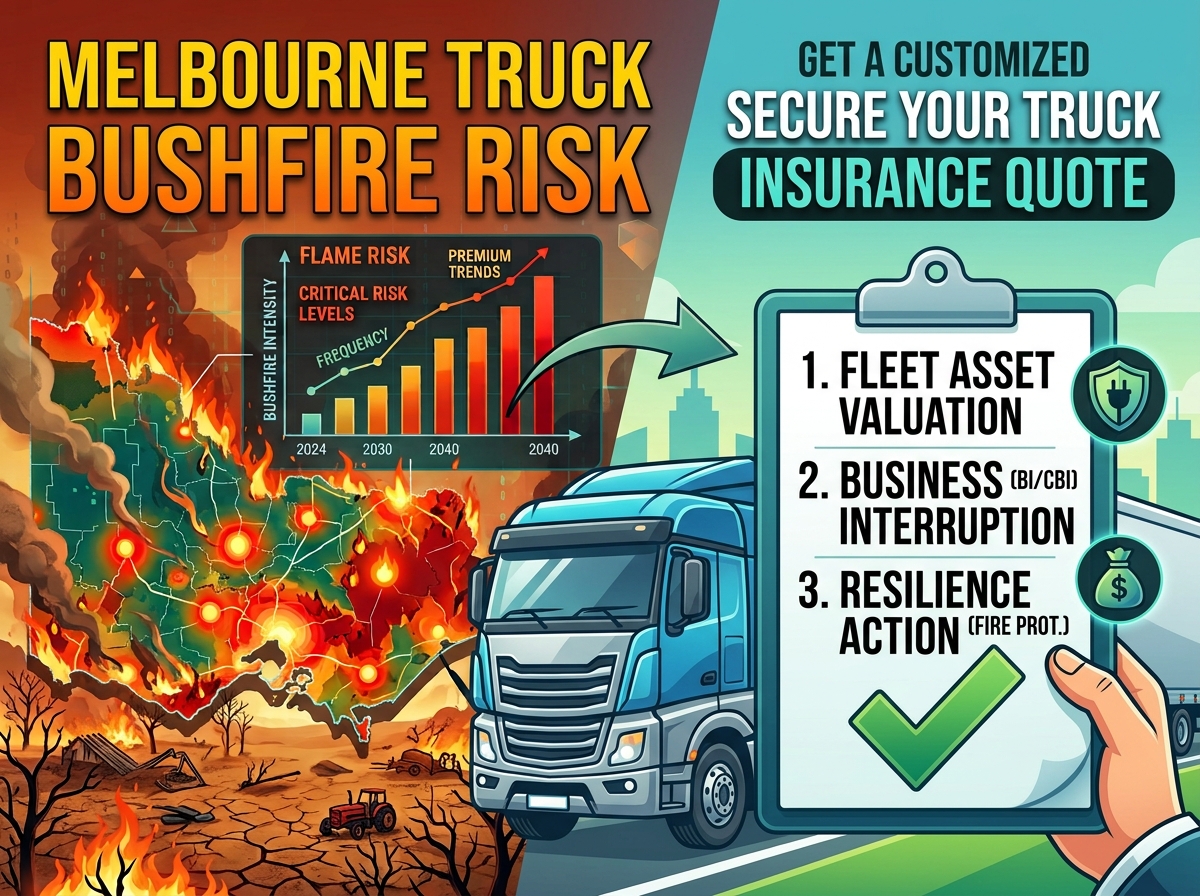
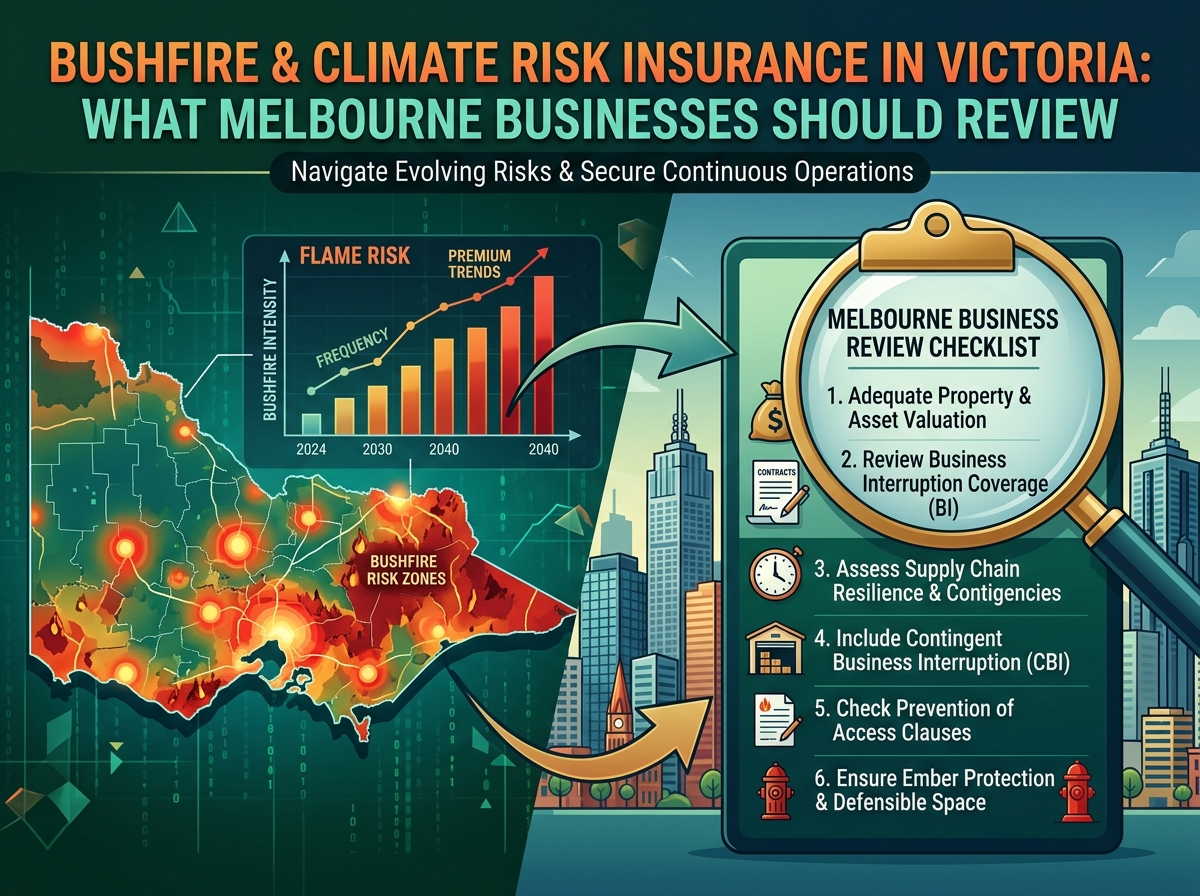
Bushfire & Climate Risk Insurance in Victoria: What Melbourne Businesses Should Review
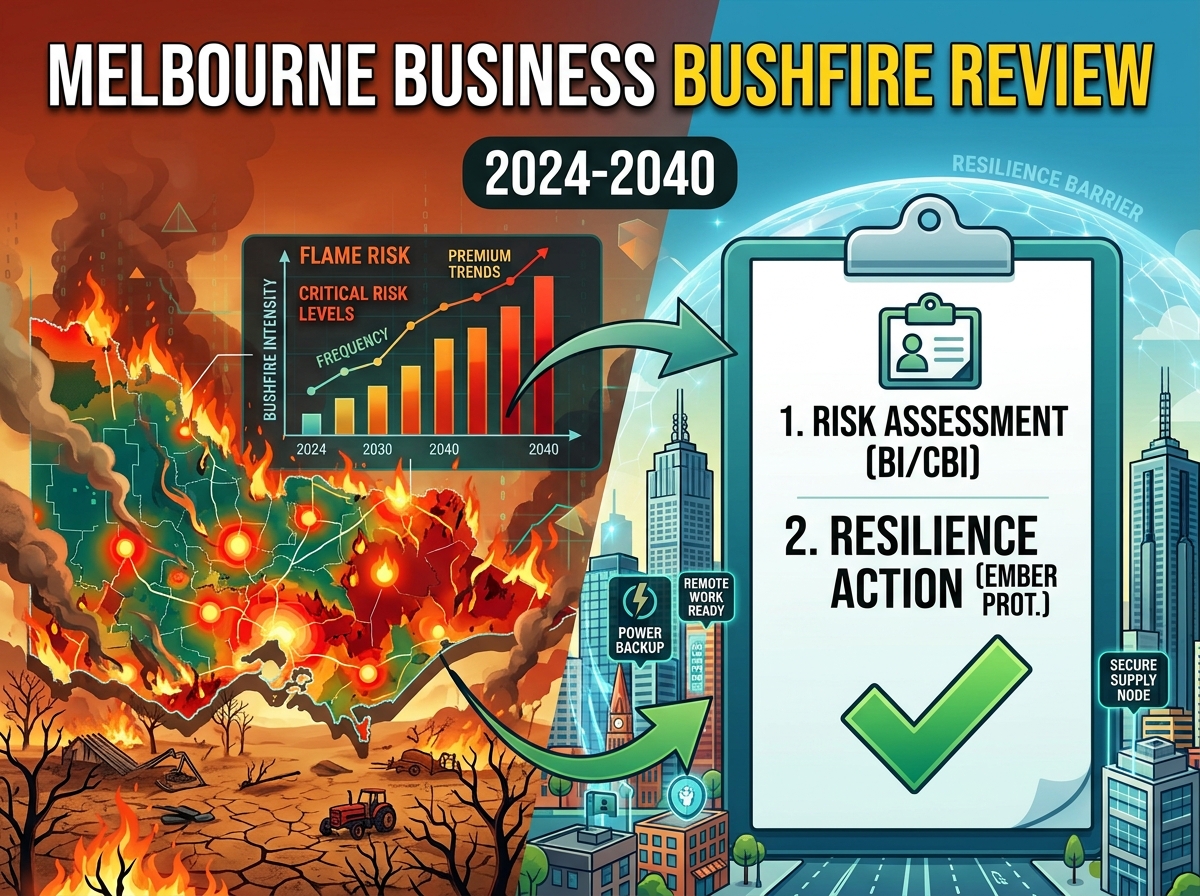

Construction Insurance in Australia: What Every Builder, Tradie & Contractor Needs to Know

Cleaning Business Insurance Australia: Public Liability, Tools & Equipment Cover
A General Guide to Cargo & Marine Insurance

Types of Business Insurance: Liability & Directors Cover | Earnest Insurance

Sole Trader Public Liability Insurance | Costs & Cover
Everything You Need to Know About Small Truck Insurance

🏢 Commercial Property Insurance: What It Covers

Cafe & Coffee Shop Insurance

Insurance For Coffee Shops

Building & Construction Insurance Essentials


What you need to consider if you have a licensed venue

Insurance for the transport and logistics sector


What is really inside Business insurance?

Get in Touch
Have questions about insurance? Our expert brokers are here to help.