
A General Guide to Cargo & Marine Insurance

What is cargo insurance?
Cargo insurance is a general term used for insurance that may help protect goods while they are being transported. Depending on the policy wording, it may apply to domestic or international shipments, and to different transport methods.
You may also see terms like cargo coverage or cargo freight insurance used in the market. These phrases can be used differently by different providers, so the best approach is to confirm exactly what the policy covers, when cover starts and ends, and what exclusions or conditions apply.
What is marine cargo insurance?
Marine cargo insurance is a common term in trade and logistics. Despite the name, it may relate to ocean freight and can also be structured to include parts of the broader journey (depending on the policy).
Related search terms include:
- marine cargo insurance coverage
- marine freight insurance
- marine transit insurance
- marine cargo insurance australia
These terms can overlap. What matters most is the actual policy wording—especially how “transit” is defined, and whether the cover is port-to-port or includes wider movement stages.
Shipping insurance
The phrase shipping insurance is often used by businesses and consumers, but it can refer to different types of cover depending on context (for example, a carrier add-on vs a dedicated insurance policy).
In an Australian context, shipping insurance australia searches often come from people shipping interstate or importing/exporting and wanting to understand what protection may exist across multiple legs of the journey.
Because naming conventions vary, it’s generally helpful to confirm:
- what events are covered (and excluded)
- any valuation method used
- any packaging/handling conditions
- documentation needed for a claim
Air freight
Some shipments move via air for speed or urgency. People sometimes look for insurance for air freight to understand how goods might be insured in air transit.
As a general point, policy conditions can differ for air freight vs other modes, and may depend on:
- the type of goods
- declared value
- packaging and handling requirements
- the route and time in transit
Containers and transit exposures
Containerised shipments may involve additional considerations, and the term shipping container insurance sometimes appears in searches. Whether the container itself is insured, and whether cover focuses on the goods inside it, depends on the relevant policy and contractual arrangements.
The role of brokers
Some businesses use brokers to help navigate options and wording, especially where shipments are frequent or complex. Common related terms include:
- cargo insurance brokers
- freight insurance broker
- cargo insurance for freight brokers
A broker may assist with explaining differences between policy options and helping clarify documentation processes, but roles and services vary between providers.
General checklist
Before arranging cover (or relying on someone else’s cover), businesses often consider:
- Who is responsible for insurance under the shipment contract?
- What value is being insured (and how is it calculated)?
- Does the cover apply to the whole journey or specific legs only?
- What exclusions or conditions apply to the commodity?
- What is required to support a claim (photos, invoices, packing lists, etc.)?
- Are storage periods included or excluded?
- Are there packaging requirements?
General information only — not personal advice.
What’s the difference between cargo insurance and carrier liability?
In general, cargo insurance is a dedicated insurance policy (subject to terms/conditions), while carrier liability may be limited by contracts or conventions. The practical impact depends on the specific documents and policy wording.
What does “marine cargo insurance coverage” usually refer to?
marine cargo insurance coverage is commonly used to describe cover arrangements for goods in transit under marine insurance frameworks. The scope depends on the policy (events covered, exclusions, start/end of transit).
Is “marine transit insurance” different from “marine freight insurance”?
The terms marine transit insurance and marine freight insurance can be used differently depending on the insurer/broker. Often, they relate to similar transit risks but may emphasise different journey stages. Always check definitions in the wording.
Does shipping insurance in Australia cover door-to-door?
Shipping insurance Australia arrangements vary. Some cover may be limited to specific legs (e.g., port-to-port), while other policies may be structured to address broader transit stages. Confirm start/end points in the policy.
What is cargo freight insurance?
Cargo freight insurance is a phrase often used when discussing insurance for goods while freight is being moved. The scope, limits, and exclusions depend on the insurer and policy type.
What is cargo coverage?
cargo coverage is a general phrase and may refer to different coverage structures. It’s best treated as a shorthand term until you confirm the policy wording.
Do I need shipping container insurance?
Shipping container insurance may be relevant where responsibilities or exposures extend to the container itself or where container-related issues create additional costs. Relevance depends on contract terms and insurance wording.
Who are cargo insurance brokers and freight insurance brokers?
Cargo insurance brokers and a freight insurance broker are commonly used terms for intermediaries who may help compare policy options and explain wording. Services and licensing obligations can vary, so it can be worth checking credentials and scope of service.
What is cargo insurance for freight brokers?
cargo insurance for freight brokers may refer to arrangements used by freight intermediaries to support clients’ shipments, subject to contract roles and policy structures. The best fit depends on the operating model and responsibilities.
Are there different considerations for cargo insurance Australia?
cargo insurance australia can apply to domestic or international movements, and structures can vary by provider. The key is understanding what is covered, where, and under what conditions.
General information only (Australia). This page is for educational purposes and does not consider your objectives, financial situation, or needs. Insurance products differ by insurer and policy. Always read the relevant Product Disclosure Statement (PDS) and policy wording, and consider seeking advice from a licensed professional where appropriate.
When goods move through a supply chain, they may pass through multiple handling points—warehouse, truck, depot, port, aircraft, vessel, courier, and final delivery. Because each handover can introduce different risks, many businesses look into cargo insurance and related cover options as part of their risk management approach.
People often search terms like cargo insurance australia, shipping insurance australia, marine cargo insurance australia, or even marine insurance marine when trying to understand what may apply to shipments in transit.
Subscribe to our newsletter
Related posts
More Blog Posts

Business Insurance Broker Melbourne: How to Choose the Right Cover for Your Business

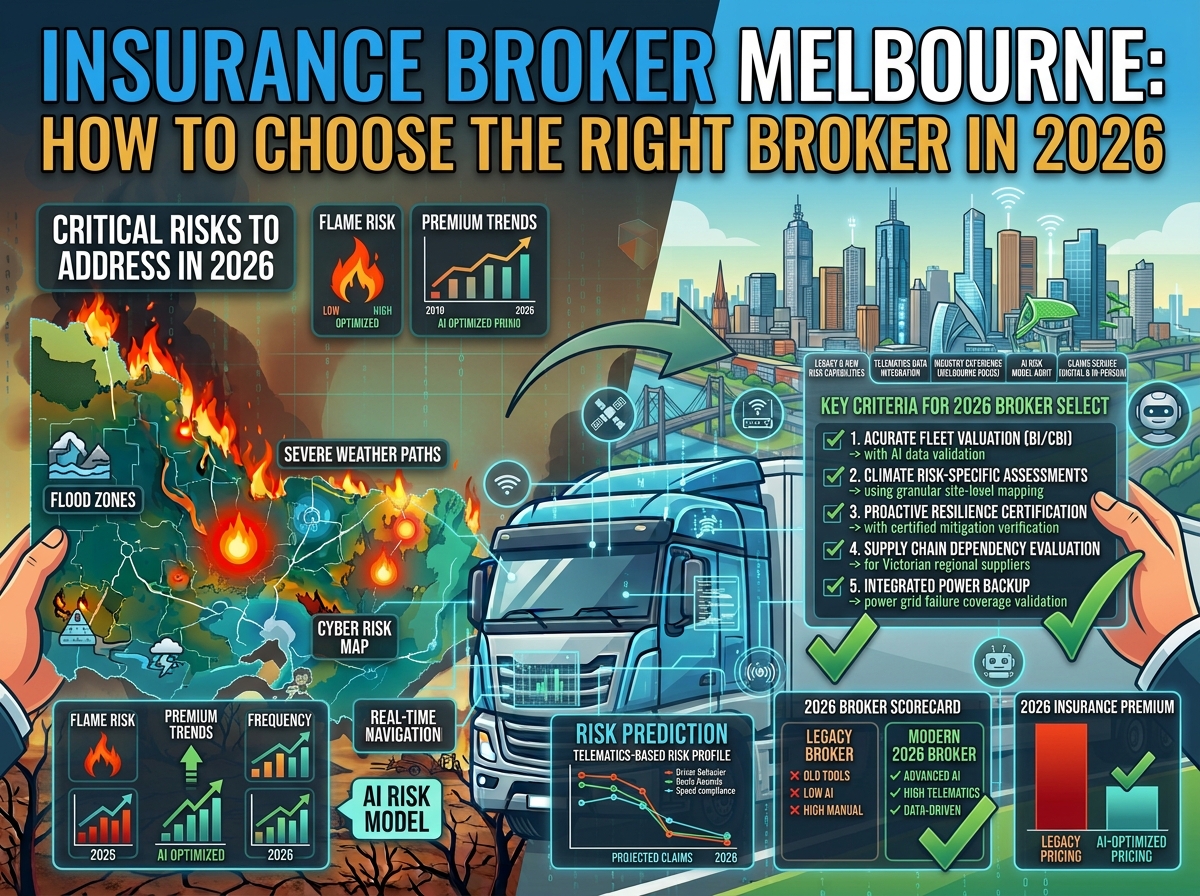
Insurance Broker Melbourne: How to Choose the Right Insurance Broker in 2026
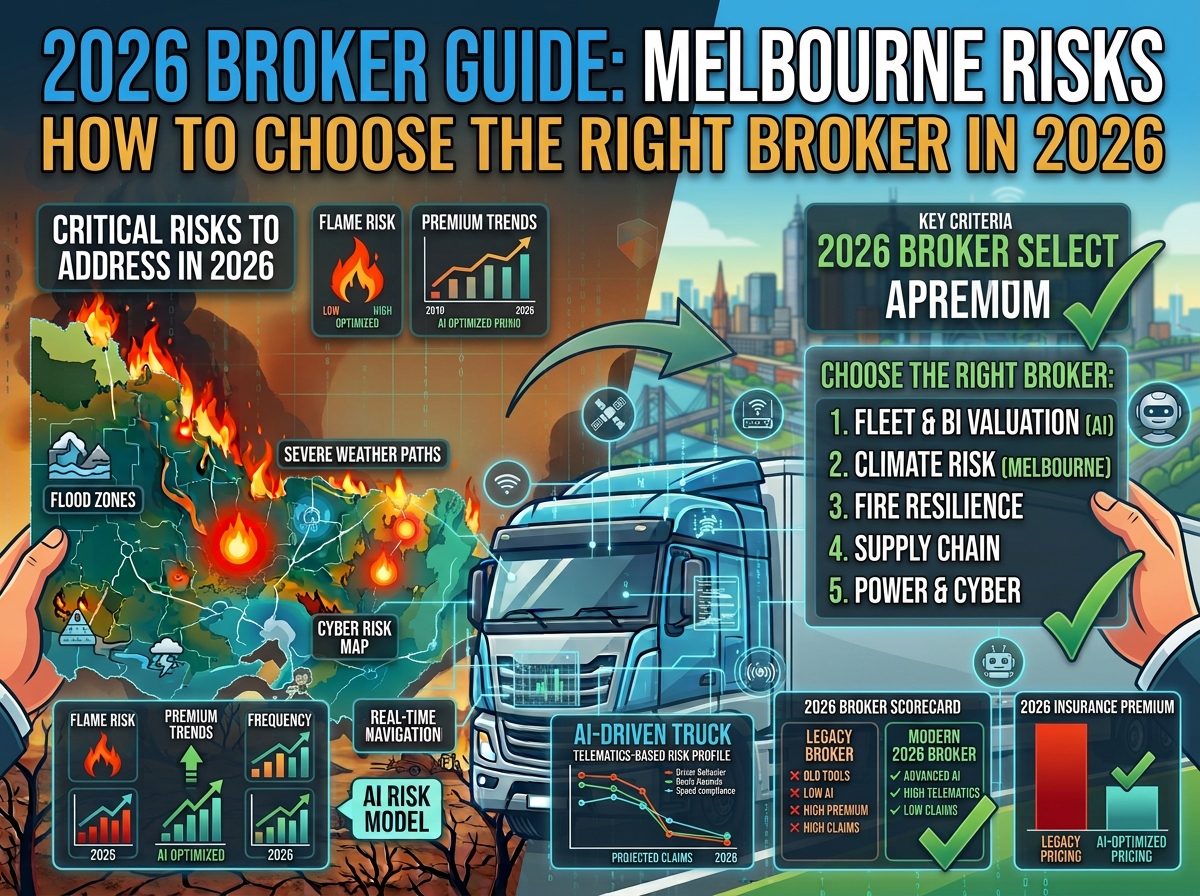
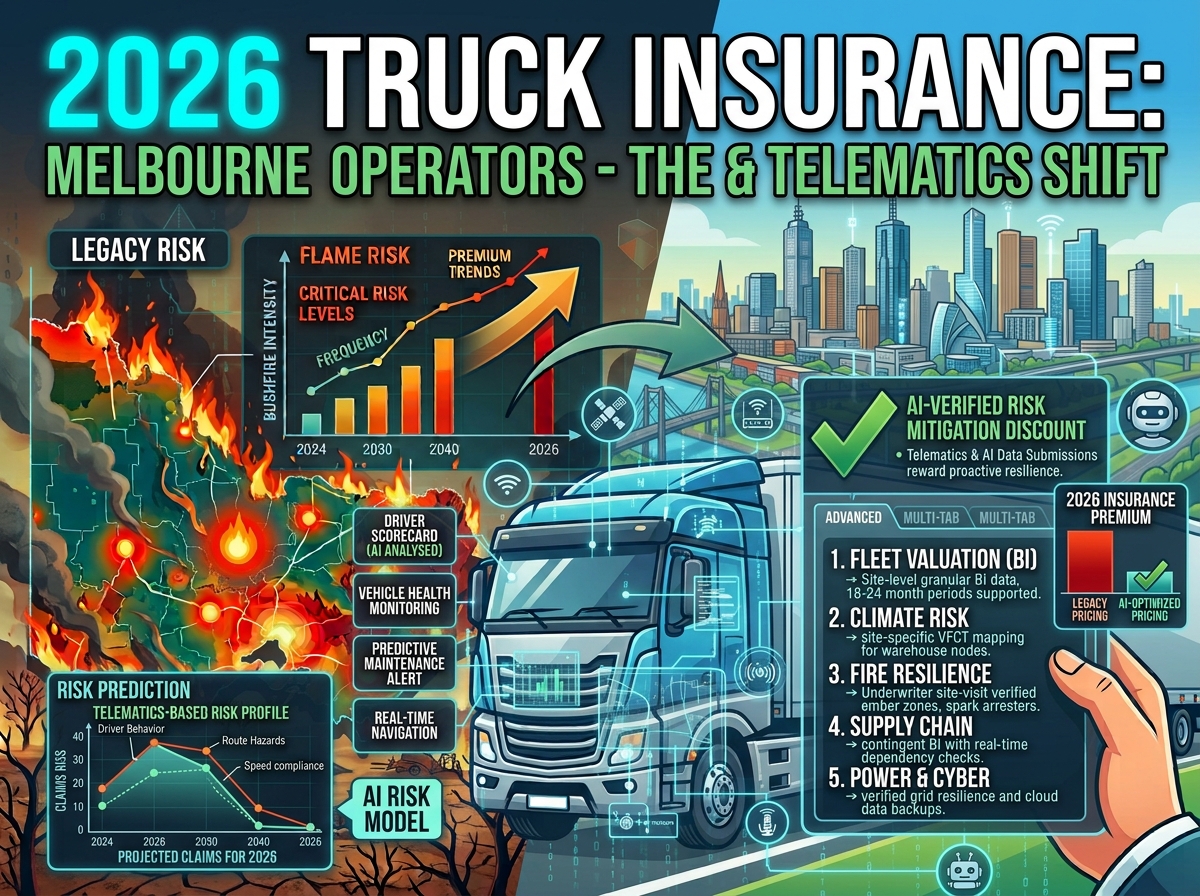
Truck Insurance Quote in 2026: How Telematics and AI Safety Technology Are Changing Truck Insurance in Melbourne
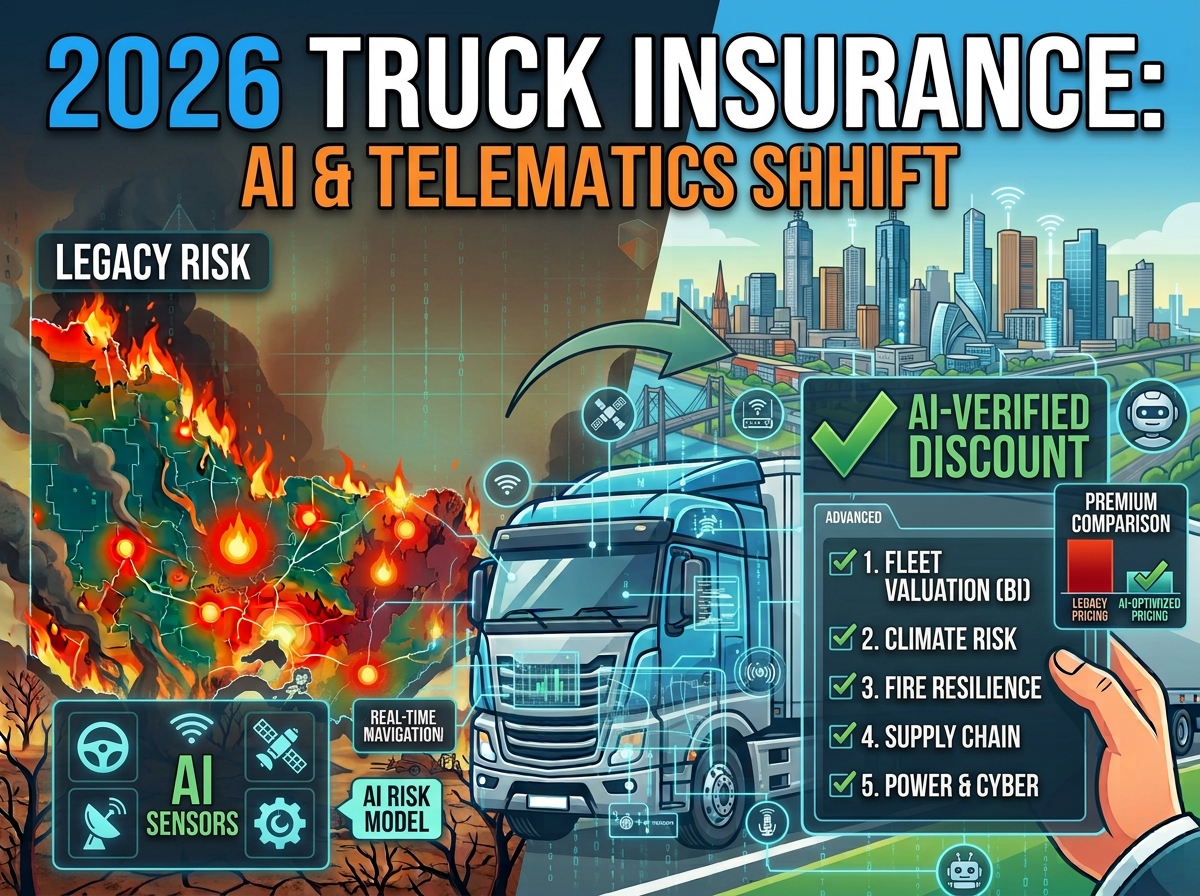

Truck Insurance Quote in 2026: What Melbourne Truck Operators Need to Know


Truck Insurance Quote: A Complete Guide to Truck Insurance in Melborune Australia
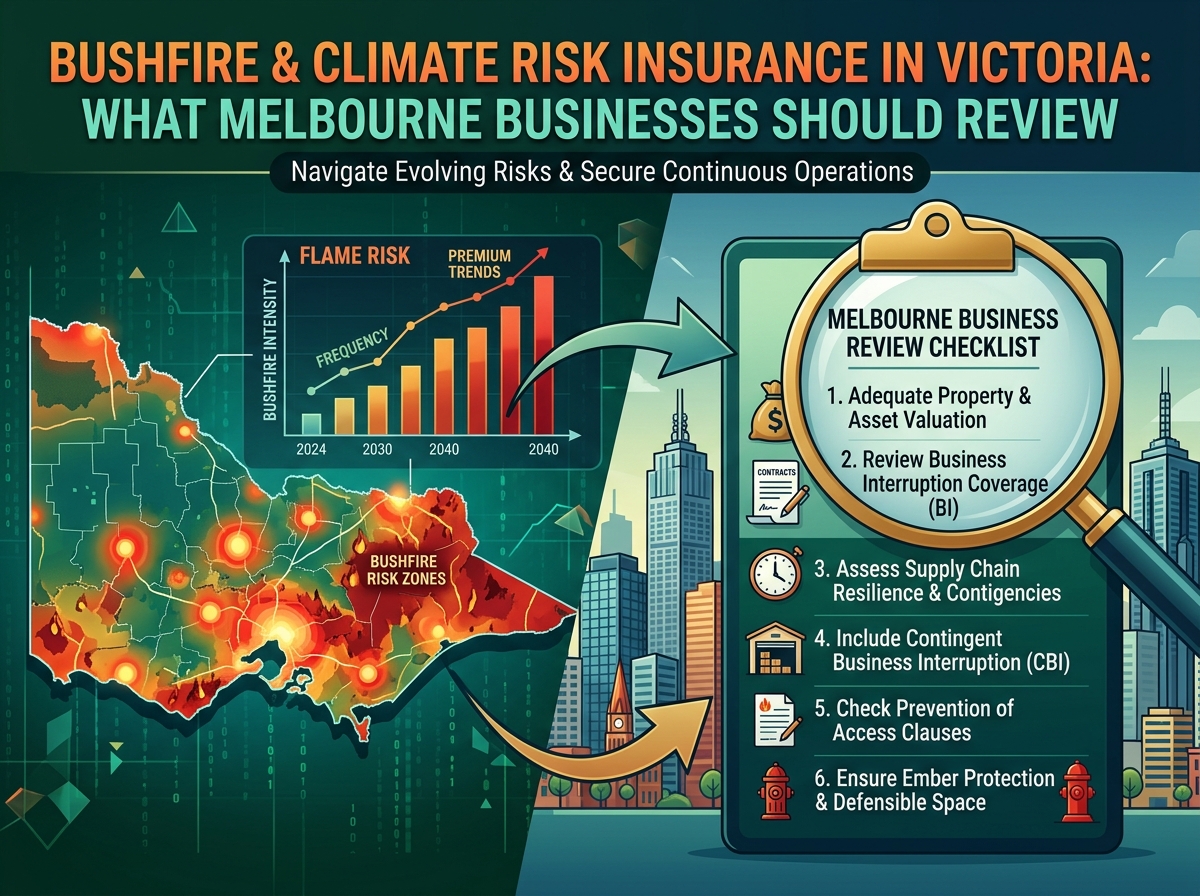
Bushfire & Climate Risk Insurance in Victoria: What Melbourne Businesses Should Review
.png)
Construction Insurance in Australia: What Every Builder, Tradie & Contractor Needs to Know


Cleaning Business Insurance Australia: Public Liability, Tools & Equipment Cover
A General Guide to Cargo & Marine Insurance

Types of Business Insurance: Liability & Directors Cover | Earnest Insurance

Sole Trader Public Liability Insurance | Costs & Cover

Everything You Need to Know About Small Truck Insurance

🏢 Commercial Property Insurance: What It Covers

Cafe & Coffee Shop Insurance

Insurance For Coffee Shops
.jpg)
Building & Construction Insurance Essentials
.jpg)

What you need to consider if you have a licensed venue

Insurance for the transport and logistics sector


What is really inside Business insurance?

Get in Touch
Have questions about insurance? Our expert brokers are here to help.