
Cleaning Business Insurance Australia: Public Liability, Tools & Equipment Cover
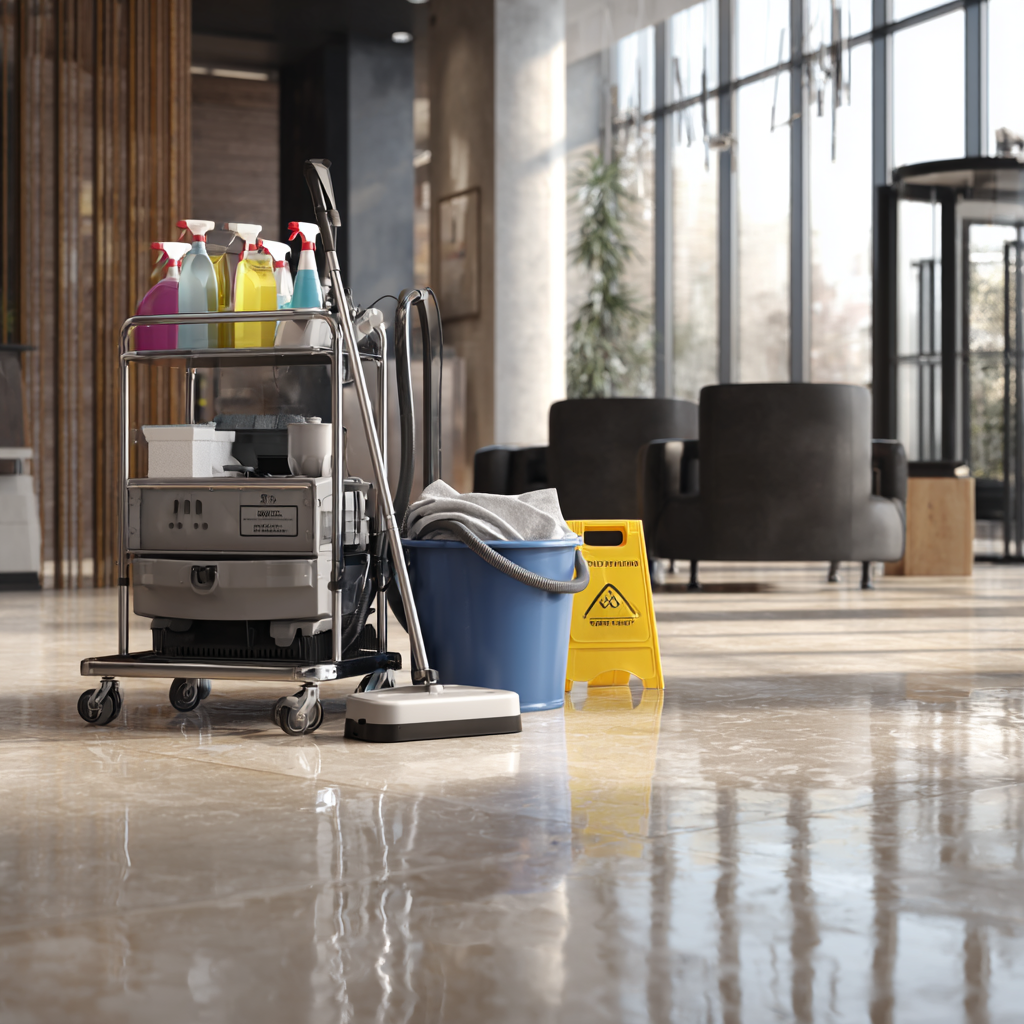
Cleaning Business Insurance in Australia: Which Public Liability Policy Is Best for Cleaners?
If you run a cleaning business in Australia—domestic cleaning, commercial cleaning, end-of-lease/bond cleans, or office cleaning—public liability insurance is one of the first covers clients will ask about. It’s designed to protect you if your cleaning work accidentally causes third-party injury or damage to someone else’s property, and it commonly includes legal defence costs when you’re facing a claim.
But the question people search most is:
“Which public liability insurance is best for a cleaning business in Australia?”
The “best” policy isn’t about a single insurer—it’s the policy that matches your exact cleaning activities, meets contract requirements, and includes the right add-ons like portable tools and equipment cover (because public liability usually doesn’t cover your own tools).
Quick answer: what the best cleaning public liability policy should include
When comparing policies, look for:
- Public liability covering third-party injury + property damage + legal fees
- A limit of indemnity that matches your client requirements (commonly $5M / $10M / $20M)
- Products liability (often bundled with public liability) to cover issues linked to products/chemicals you use or supply
- Optional tools/equipment cover (portable equipment/general property) for stolen or damaged cleaning gear
- Clear wording for common cleaner risks: slips/trips, chemical overspray, water damage, accidental breakage, work at client sites
What public liability insurance covers for a cleaning business
Public liability generally helps if your business activities cause:
1) Injury to a third party (not an employee)
Example: someone slips on a wet surface you were cleaning and you’re found legally liable.
2) Damage to a client’s property
Example: you knock over a costly item, damage flooring, or splash cleaning chemicals on a surface. Public liability is designed for damage to other people’s property, not your own equipment.
3) Legal defence costs
Many policies include cover for reasonable legal costs to defend you when a claim is made.
What public liability usually does NOT cover (common cleaner mistake)
This is where many cleaners get caught:
❌ Your own tools and equipment
Public liability is about third-party loss. If your vacuum, pressure washer, carpet extractor, or steam mop is stolen or damaged, that’s usually handled under portable equipment/general property/tools of trade cover, not public liability.
❌ Employee injuries
If you employ staff, workers compensation is the key cover (and it’s mandatory in Australia for employers, under state/territory schemes).
How much public liability cover do cleaners need in Australia? ($5M vs $10M vs $20M)
Most insurers commonly offer $5M, $10M or $20M limits.
Practical guidance for cleaning businesses
- $5M: sometimes suits low-risk, low-foot-traffic work (but check client contracts).
- $10M: common for many small businesses working on-site at client locations.
- $20M: often requested for higher exposure or commercial contracts—some councils and venues specify $20M.
Cleaning is frequently treated as higher exposure because you work in other people’s premises with slip/trip risks—some guidance specifically flags cleaning services as a scenario where $20M may be appropriate depending on contract and risk profile.
Public liability vs products liability (important for cleaners using chemicals)
Many policies bundle Public + Products Liability together.
- Public liability: incidents that happen while you’re performing work.
- Products liability: incidents linked to products you supply/use (or outcomes after the job), depending on policy wording.
This can matter if a cleaning chemical damages a surface or triggers a reaction claim—always check the PDS and your declared activities.
“Affordable public liability insurance for cleaners” — how to reduce premiums without underinsuring
Public liability pricing varies based on risk factors. For example, insurers note that the type of work, business size, and claims history can affect cost.
Here are legitimate ways to keep premiums affordable:
1) Describe your cleaning activities accurately
Office cleaning, end-of-lease, builders cleans, high-rise window cleaning, and pressure washing can be rated differently.
2) Choose the right limit (based on contracts)
Don’t buy $20M if your work is strictly low-risk and your contracts only require $10M—but don’t underinsure if your clients demand $20M.
3) Adjust the excess
Higher excess can reduce premium (only do this if you could comfortably pay the excess in a claim).
4) Bundle smartly
If you need tools cover, theft, and motor cover anyway, sometimes a business pack can be more cost-effective than piecemeal policies (compare options carefully).
Tools and equipment cover for cleaners (so your gear is protected)
If you want insurance that covers cleaning equipment and tools, look for:
✅ Portable equipment / general property / tools of trade cover
This is designed to help cover loss or damage to portable tools used for business—often including repair/replace.
Common examples for cleaners:
- commercial vacuum / backpack vacuum
- carpet extractor / steam cleaner
- pressure washer
- floor polisher / buffers
- chemicals (sometimes), hoses, extension leads
- phone/tablet used for jobs (policy dependent)
Important: policies can have per-item limits or “listed item” rules. For instance, some general property sections cover “unspecified” items up to a limit per item, with higher-value items needing to be specified.
Other insurance cleaners in Australia often need
Workers compensation (mandatory if you employ staff)
Fair Work confirms employers in each state/territory must take out workers compensation insurance for employees.
(Requirements vary by state—e.g., WorkSafe Victoria has specific registration thresholds.)
Commercial motor (if you use a van/ute for work)
Helps cover business vehicles used to transport equipment.
Theft cover
Useful if you store stock or gear at premises or in vehicles (policy conditions matter).
Personal accident & illness (common for sole traders)
If you can’t work due to injury/illness, this may pay a weekly benefit (optional in some business packs).
Professional indemnity (only if your work includes advice/services needing it)
More relevant where you provide professional advice/design/specification. Cleaning businesses may not always need it, but check contracts.
Cleaner-specific checklist: what to ask before you buy
Use this checklist when comparing quotes:
Public liability
- Does it cover injury + property damage + legal costs?
- Is the limit $5M/$10M/$20M—and does it match your contracts?
- Is products liability included?
Tools & equipment
- Is portable equipment/general property included or optional?
- Are there per-item limits or “specified items” rules?
Operations
- Are subcontractors covered (or do they need their own policy)?
- Are you covered while working at multiple client sites?
- Are high-risk tasks excluded (e.g., working at heights, pressure washing, chemicals)?
FAQs (targeting long-tail keywords)
Is public liability insurance compulsory for cleaners in Australia?
It’s not always legally compulsory, but it’s often required by clients, landlords, councils, and commercial contracts.
Does public liability cover accidental damage to a client’s property?
Public liability typically covers third-party property damage (your client’s property) if you’re legally liable—but not your own equipment.
Does public liability cover my cleaning tools and equipment?
Usually no. Tools and equipment are generally covered under portable equipment/general property/tools of trade cover.
What’s the best public liability limit for a cleaning business—$10M or $20M?
Many cleaners choose $10M or $20M depending on where they work and what contracts require. Some councils/venues require $20M.
What is “public and products liability” and do cleaners need both?
Public liability relates to incidents during work; products liability relates to products supplied/used and outcomes (depending on wording). Many policies bundle them.
If I hire staff, do I need workers compensation?
Yes—workers compensation is mandatory for employers, under state/territory schemes.
Can I get cleaning insurance that covers public liability + tools + theft?
Yes—many business insurance packs allow you to combine covers (public liability plus add-ons like portable property/tools, theft, and other sections).
Why do some clients ask for a Certificate of Currency?
It’s proof your policy is active and shows the insured name, coverage type, and limit.
How do I keep cleaning insurance affordable?
Accurate activity description, choosing the right limit, adjusting excess, and adding only what you need are common levers—cost depends on risk factors and claims history.
Disclaimer: This article provides general information only and does not take into account your objectives, financial situation or needs. You should consider whether the information is appropriate for you and your business. Terms, conditions, limits and exclusions apply and cover varies by insurer and policy. Before making any decision, read the relevant Product Disclosure Statement (PDS) and, where applicable, the Target Market Determination (TMD), and seek professional advice if needed.
Subscribe to our newsletter
Related posts
More Blog Posts

How Much Is Public Liability Insurance in Melbourne? A 2026 Guide for Businesses


Business Insurance Broker Melbourne: How to Choose the Right Cover for Your Business


Business Insurance Broker Melbourne: How to Choose the Right Cover for Your Business

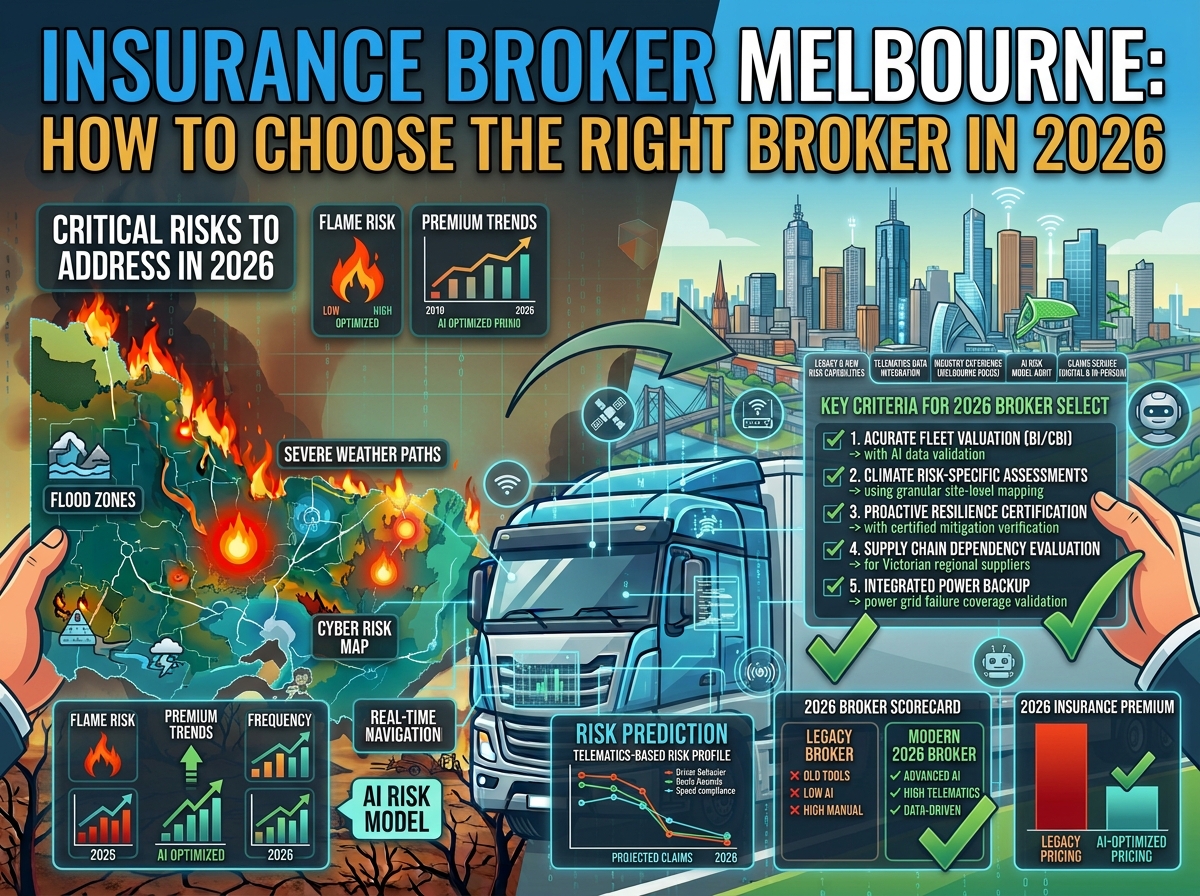
Insurance Broker Melbourne: How to Choose the Right Insurance Broker in 2026
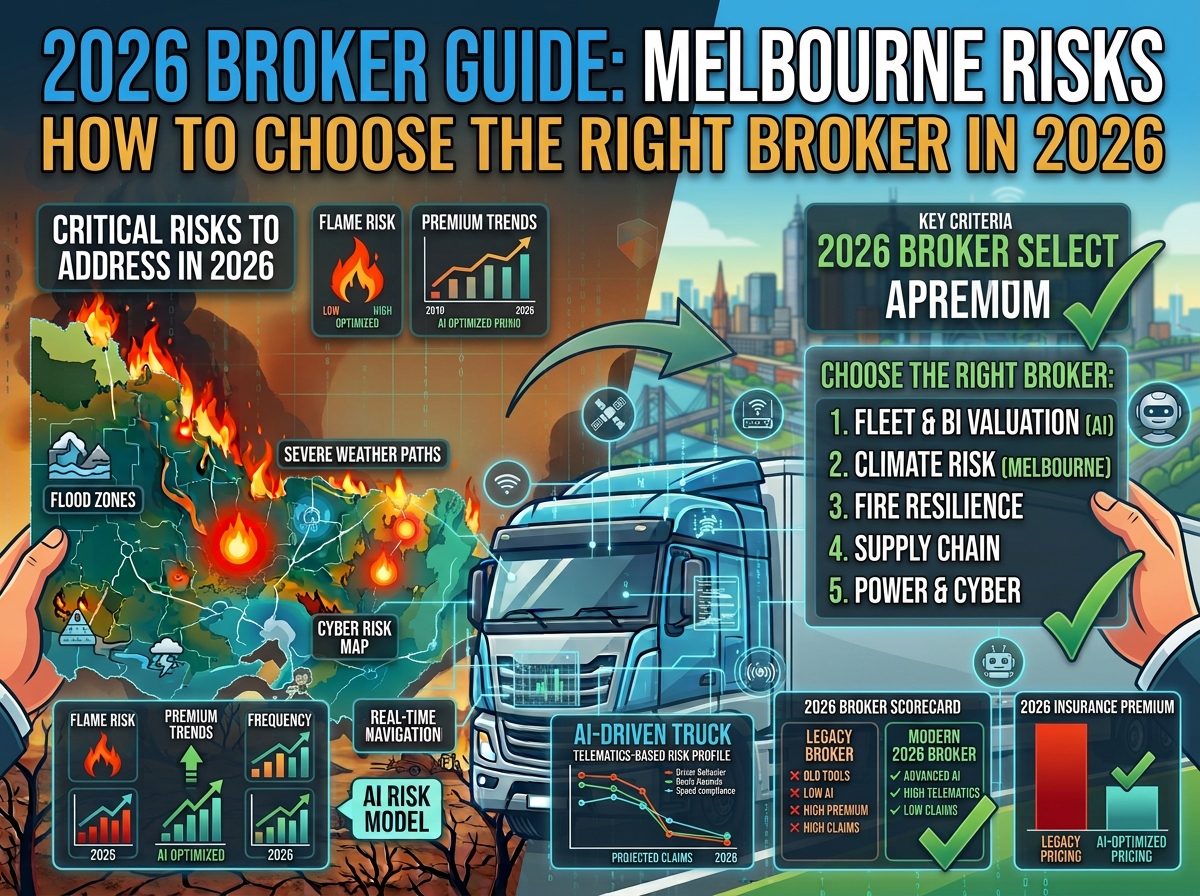
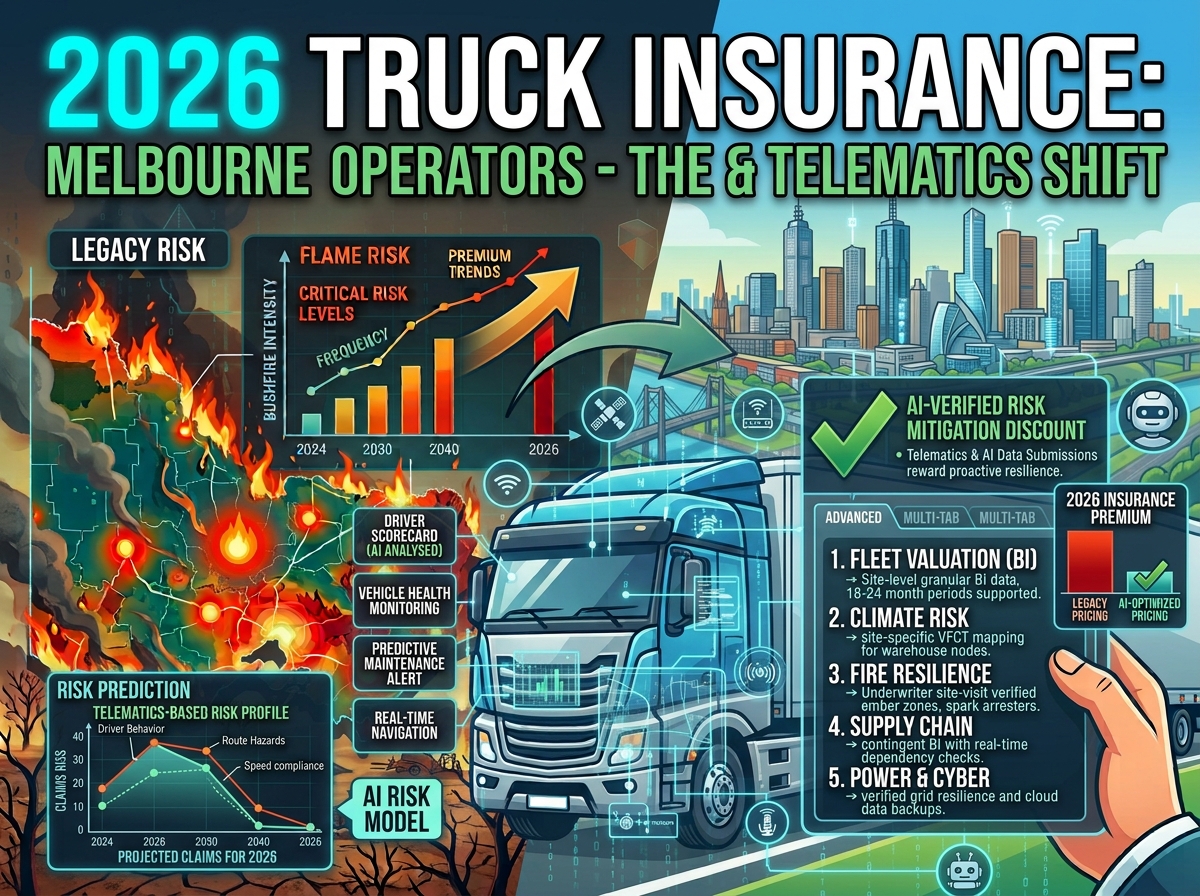
Truck Insurance Quote in 2026: How Telematics and AI Safety Technology Are Changing Truck Insurance in Melbourne


Truck Insurance Quote in 2026: What Melbourne Truck Operators Need to Know


Truck Insurance Quote: A Complete Guide to Truck Insurance in Melborune Australia
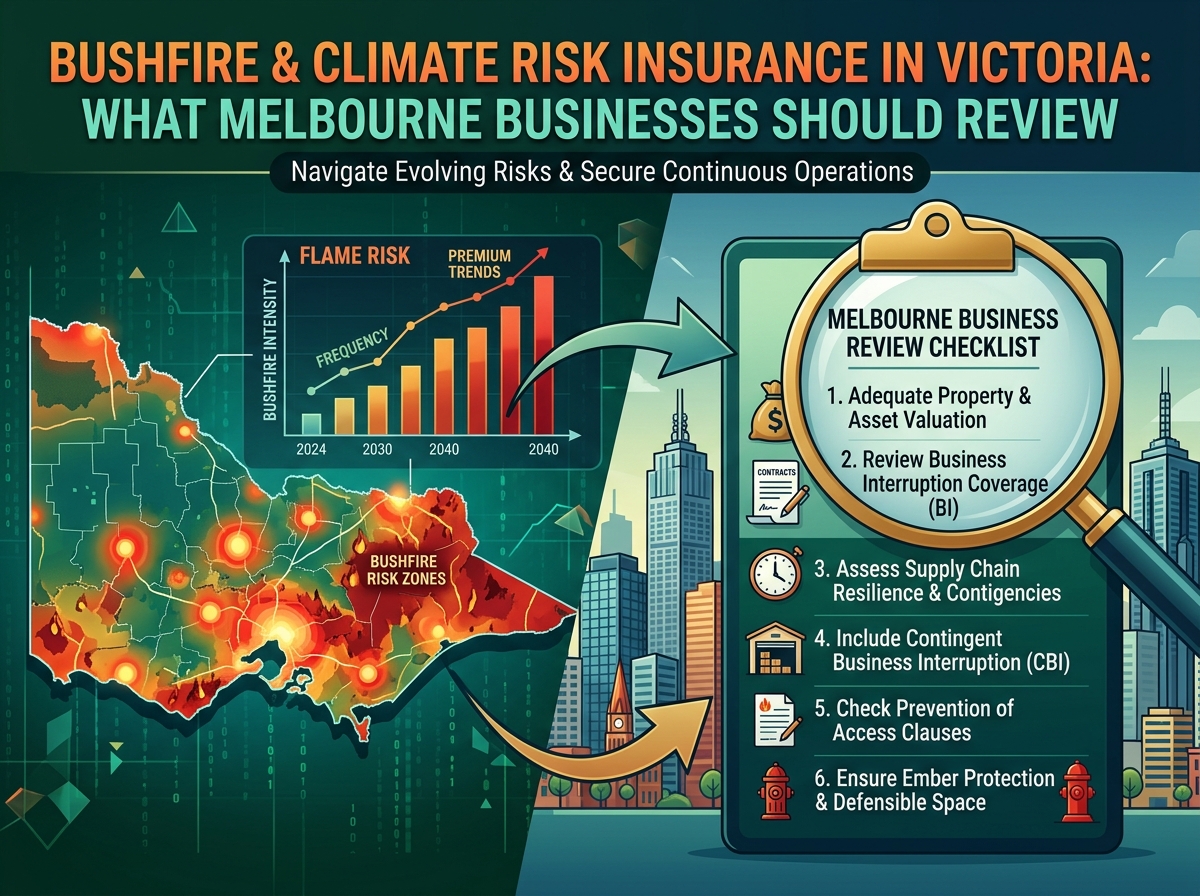
Bushfire & Climate Risk Insurance in Victoria: What Melbourne Businesses Should Review
.png)
Construction Insurance in Australia: What Every Builder, Tradie & Contractor Needs to Know

Cleaning Business Insurance Australia: Public Liability, Tools & Equipment Cover
A General Guide to Cargo & Marine Insurance

Types of Business Insurance: Liability & Directors Cover | Earnest Insurance

Sole Trader Public Liability Insurance | Costs & Cover
Everything You Need to Know About Small Truck Insurance

🏢 Commercial Property Insurance: What It Covers

Cafe & Coffee Shop Insurance

Insurance For Coffee Shops
.jpg)
Building & Construction Insurance Essentials
.jpg)

What you need to consider if you have a licensed venue

Insurance for the transport and logistics sector


What is really inside Business insurance?

Get in Touch
Have questions about insurance? Our expert brokers are here to help.