
Is Your Business Properly Insured? 10 Insurance Gaps Australian Businesses Should Check Before Renewal


Introduction: Why Your Business Insurance Needs Regular Reviews
Business insurance is not something you should arrange once and leave unchanged for years. As a business grows, its risks change. You might purchase new equipment, employ additional staff, transport higher-value goods, expand into another state or take on a larger construction project. If your insurance no longer reflects these changes, you could discover a coverage gap when you need to make a claim.
Australian businesses should review their insurance at least before renewal and whenever a significant operational change occurs. The review should check insured asset values, business activities, liability limits, policy exclusions, vehicle schedules, goods in transit and contractual obligations.
This applies to businesses of every size, from sole traders and builders to importers, transport operators and companies managing commercial fleets.
For example, a contractor may need to update building and construction insurance after starting a larger project. A logistics operator may need to reassess cargo insurance coverage when moving more valuable goods. A transport company expanding interstate may need to review its national truck insurance arrangements.
The key is to ensure that your insurance reflects the business you operate today, rather than the business you ran when the policy was first purchased.
1. Check Whether Your Business Activities Have Changed
One of the first questions to ask during an insurance review is whether the description of your business still matches what you actually do.
A company might initially provide local delivery services before expanding into interstate freight. A building contractor might begin offering additional services or take responsibility for larger projects. An importer might start storing products in a third-party warehouse before distributing them across Australia.
These changes may affect the types of insurance required, the insurers willing to provide cover and the terms offered.
Review your business activities against the information supplied when your policies were arranged. Check whether your turnover, workforce, operating locations, services and contractual responsibilities have changed.
For businesses seeking a business insurance broker in Townsville or an insurance broker in Melbourne, this is an important starting point. A clear description of your current operations helps you compare relevant policy options more accurately.
Earnest Insurance provides business insurance information and options for Australian businesses. Visit the Business Insurance page to review the available cover options.
2. Review Building and Construction Insurance as Projects Grow
Construction businesses can experience substantial changes between policy renewals. A small contractor may progress from residential work to commercial projects, purchase expensive machinery or accept contracts with more demanding insurance requirements.
Building and construction insurance should reflect the type, value and scope of the work being undertaken.
Depending on the project and the policies arranged, relevant cover may include:
- Contract works insurance for specified construction works and materials.
- Public liability insurance for covered third-party injury or property damage claims.
- Plant, tools and equipment insurance for eligible machinery and equipment.
- Professional indemnity insurance for certain design, consulting or advice-related liabilities.
- Commercial motor insurance for vehicles used in business operations.
These policies address different risks. A contract works policy does not automatically cover every liability arising from construction activities, and a tools policy may not cover equipment at every location or in every circumstance.
What should builders check before renewal?
Start with the maximum value of the projects you are undertaking or expect to begin during the next policy period. Review the cost of materials, labour and other components that affect the value of the works being insured.
Next, examine the contracts you have signed. A principal contractor, developer or project owner may specify minimum public liability limits or other insurance conditions.
Check whether subcontractor arrangements, high-risk activities, temporary storage locations and machinery usage have been disclosed accurately.
For instance, a contractor who originally insured small renovation jobs may now be managing several projects simultaneously. If the declared project values and activities no longer reflect this workload, the contractor should discuss the changes with the broker or insurer before assuming the existing cover remains appropriate.
The Australian Government's construction industry guidance explains common insurance considerations for construction businesses.
Earnest Insurance also provides a dedicated Building and Construction Insurance service page.
3. Check Cargo Insurance Coverage Against Your Current Shipments
An importer's or distributor's shipping arrangements can change quickly. Goods may increase in value, suppliers may change, additional destinations may be introduced, or shipments may move through different ports and warehouses.
These developments make it important to review marine cargo insurance rather than relying on an old estimate of shipment values.
Marine cargo insurance can protect insured goods against covered loss or damage during the transit specified in the policy. The extent of protection depends on the wording, exclusions, agreed journey and other conditions.
Questions to ask about cargo insurance
Are your shipments valued correctly? Review the basis used to calculate insured values. The appropriate valuation may depend on the policy, sale contract and costs associated with the shipment.
Are all transport stages addressed? Check whether the relevant journey includes road transport, sea freight, air freight, transhipment, loading, unloading and temporary storage where required.
Have the goods changed? Electronics, machinery, food products, fragile items and other specialised cargo can have different risk characteristics. Confirm that the policy reflects the goods being transported.
Are your contractual responsibilities clear? Review purchase agreements and applicable Incoterms to understand how transport responsibilities and risks are allocated between the buyer and seller.
Are claims procedures understood? Know how to report damage, preserve evidence and notify the relevant parties if a shipment is affected.
Example: A growing Australian importer
Imagine a retailer that previously imported a few containers of stock each quarter. The retailer now receives larger shipments and distributes products through several warehouses.
If the business has not reviewed its policy limits, transit arrangements or storage conditions, its existing insurance may not align with the new operation.
A review can help identify whether adjustments are required before the next shipment leaves the supplier.
It is also important to distinguish cargo cover from a freight carrier's liability. A carrier may have contractual or legal limits on what it pays for lost or damaged goods. That amount may not correspond to the full value of the shipment.
For details about the available options, see Earnest Insurance's Marine Insurance page.
4. Review National Truck Insurance When Routes or Fleet Size Change
Transport businesses often add vehicles gradually. One additional truck, a new trailer or a change in operating routes can affect how the fleet should be insured.
Businesses arranging national truck insurance should review more than the number of registered vehicles. They should also assess the types of trucks used, their declared values, the goods they carry and the areas in which they operate.
A suitable commercial motor policy depends on the insurer's terms and the specific risks being insured.
Fleet review checklist
Confirm that every vehicle requiring cover is correctly listed, including new purchases and any vehicles recently sold or replaced.
Check declared vehicle values and whether the chosen settlement basis remains suitable.
Review the drivers, operating radius, interstate routes and commercial activities disclosed to the insurer.
Confirm whether trailers, modifications, accessories and specialised equipment are insured as required.
Finally, determine whether goods in transit, replacement vehicles, recovery costs or downtime-related expenses require separate cover or optional benefits.
Finding a truck insurance broker in Melbourne
When searching for a truck insurance broker in Melbourne, focus on the broker's ability to understand your operating model and explain the available policy differences.
For an owner-driver, the main concerns might be vehicle damage, liability, finance requirements and the cost of being unable to work after an insured incident.
A larger fleet operator may also need to consider multiple vehicles, different driver arrangements, trailer schedules and the implications of interstate operations.
Do not assume that every truck insurance policy includes protection for the goods being carried. Confirm the scope of the commercial motor policy and arrange suitable cargo protection where needed.
Learn more through Earnest Insurance's Truck Insurance page.
5. Reassess Bus Insurance in Australia as Services Expand
Passenger transport businesses may change their services over time. A company that originally operated local routes might add school transport, charter services, tourism trips or interstate coach operations.
These developments can affect vehicle usage, passenger capacity, routes and contractual responsibilities.
When reviewing bus insurance in Australia, consider the following areas:
Vehicle details: Ensure the insured vehicles, values and relevant specifications are accurate.
Vehicle usage: Tell the insurer about changes to routes, passenger services and commercial activities.
Liability exposures: Review the relevant insurance arrangements for third-party injury, property damage and other liabilities arising from the operation.
Fleet changes: Update the policy information when vehicles are added, sold, replaced or modified.
Operational disruption: Check whether optional benefits address particular additional expenses that could arise after an insured event.
Why the right policy matters
Consider a coach operator that secures a new contract involving longer routes and additional vehicles. An existing policy based on the company's previous activities may not adequately reflect its new requirements.
Reviewing the operation before taking on the contract can help identify issues that need to be discussed with the insurer.
Businesses comparing Australian bus and truck insurance should evaluate the requirements of each vehicle type separately. A policy suitable for freight transport may not address the needs of a passenger transport business.
You can review the available options through Earnest Insurance's Bus and Coach Insurance page.
6. Review Your Property and Equipment Values
Another coverage gap can arise when a business's assets change in value but its declared insurance amounts remain unchanged.
Business equipment, machinery, furniture, computers, tools and stock may need to be valued differently as the operation develops. Replacement costs can also differ from historical purchase prices.
Review the basis on which your assets are insured. Depending on the policy, a claim settlement may use market value, agreed value, replacement value or another specified method.
The distinction matters because the amount you originally paid for an asset may not reflect what it costs to replace it today.
A practical asset review should include:
- Buildings, fit-outs and business contents where insured.
- Machinery, plant, tools and specialist equipment.
- Stock and materials held at different locations.
- Computers, technology and other business equipment.
- Vehicles, trailers and other transport assets.
Keep updated asset lists, invoices, photographs and valuations where appropriate. Accurate records can help with policy reviews and provide useful supporting evidence if a claim occurs.
The Australian Government's guide to managing business insurance recommends reviewing policies regularly, particularly when the business changes or approaches renewal.
7. Check Liability Limits and Contract Requirements
A business can have suitable property insurance and still face a potential gap in its liability arrangements.
For example, a construction client may specify a minimum public liability limit. A freight customer might require evidence of particular insurance before work begins. A commercial property lease may set conditions relating to insurance for the premises.
Read the relevant contracts and compare their requirements with your current policies.
Pay attention to the type of liability required, the minimum limit, the parties that must be covered where applicable and any conditions concerning certificates of currency.
Do not assume that holding a policy automatically satisfies every contract. The policy wording and the contract must be assessed against each other.
Professional indemnity, public liability and product liability insurance also serve different purposes. The relevance of each depends on the nature of your business and the claims it could face.
If a contract introduces a new responsibility, raise it with your broker or insurer before accepting the work.
8. Understand Exclusions, Excesses and Claims Conditions
Insurance reviews should not focus entirely on premiums and limits. The details that determine whether a particular incident is covered are equally important.
Read the applicable Product Disclosure Statement, policy wording and other relevant documents. Check the circumstances insured, important exclusions, excesses, reporting requirements and the process for settling a claim.
For example, a business may assume its cargo is insured throughout the supply chain, but the policy may specify particular transit arrangements or exclude certain types of loss.
Similarly, an insured vehicle may be subject to conditions concerning its use, security or maintenance.
Create a simple record of the policy's main requirements and make sure the relevant staff understand their responsibilities.
If you are unsure about a condition, ask for clarification rather than relying on an assumption. The purpose is to understand the cover before a claim arises, when there may be limited time to resolve questions.
9. Compare Insurance Options, Not Just Premiums
Premium increases can place pressure on business budgets. It is understandable to look for a more affordable option, but switching policies solely because another quote is cheaper can introduce new limitations.
A useful comparison should examine the coverage provided by each option.
What to compareWhy it mattersInsured eventsDetermines which losses may be coveredLimits and sublimitsIdentifies maximum payments and restrictionsExcessesShows the amount the business may need to contribute to a claimExclusionsHighlights risks that may not be coveredConditionsIdentifies obligations that must be followedClaims processClarifies notification and documentation requirementsOptional benefitsShows which additional protections are availablePremium and payment termsHelps assess cost alongside the cover provided
For personal vehicles, people searching for top rated car insurance should also compare the actual policy benefits, insured value, excess and exclusions rather than relying exclusively on online ratings.
Commercial vehicles require a different assessment. A private car policy should not be assumed to cover a truck or bus used for business activities.
Similarly, a low premium on a construction or cargo policy does not establish that it meets a business's project or shipment requirements.
For Australian businesses, the objective is to find suitable cover at a reasonable cost, with the important limitations understood before the policy is purchased.
10. Work With a Broker Who Understands Your Business
An insurance broker can help businesses review requirements, compare available options and understand differences between policies. The scope of assistance depends on the broker's services and the arrangements involved.
For companies looking for an insurance broker in Melbourne, relevant experience may include commercial property, construction, professional services or vehicle fleets.
Businesses searching for a business insurance broker in Townsville may have additional questions about regional operations, transport routes, local sites and the insurance requirements of their contracts.
Earnest Insurance provides insurance options for customers across Australia, with service information covering commercial and specialist sectors.
Before arranging cover, prepare your current policy documents, asset list, fleet schedule, contracts and details of any operational changes. This gives the broker a clearer picture of your needs and can make the review more productive.
Check the broker's relevant authorisation and licensing details where applicable. The Australian Securities and Investments Commission provides information about Australian financial services licensing.
Frequently Asked Questions
How often should a business review its insurance?
Review your policies before renewal and whenever a significant change occurs. Buying equipment, hiring additional staff, moving premises, starting new services or increasing shipment values can all justify an earlier review.
What happens if my business has grown but my insurance has not changed?
Your existing policy may no longer reflect your current operations, insured values or contractual obligations. Whether a particular loss is covered depends on the policy terms and circumstances. Contact your insurer or broker to review any relevant changes.
Does building and construction insurance cover every project risk?
No single policy should be assumed to cover every construction risk. Contract works, liability, professional indemnity, plant and equipment and other policies may address different exposures. The appropriate arrangements depend on the work and the terms of each policy.
Does marine cargo insurance cover road transport as well as sea freight?
Some marine cargo policies cover specified road, sea, air or multimodal transit. The journey and insured stages must fall within the policy's terms. Confirm the complete route and any storage or handling requirements before arranging cover.
What should I check when renewing truck or bus insurance?
Review vehicle details, insured values, driver and usage information, routes, fleet changes, liability limits, excesses and exclusions. Confirm whether cargo protection and any relevant additional benefits are arranged separately.
How do I find an appropriate insurance broker in Melbourne or Townsville?
Look for a broker who understands your industry, explains policy terms clearly and can help you compare relevant alternatives. Confirm the broker's authorisation where applicable and assess the quality of coverage alongside the premium.
Final Thoughts: Make Your Insurance Review Part of Business Planning
Insurance reviews should be a routine part of running a business, not a task completed only when renewal notices arrive.
As your business grows, its assets, contracts, vehicles and responsibilities can change. A regular review helps identify where existing arrangements may need to be updated and where additional cover should be considered.
Whether your business needs building and construction insurance, marine cargo insurance, national truck insurance, bus and coach cover or broader commercial protection, the first step is to understand your current risks and compare them with the terms of your policies.
Review your business insurance with Earnest Insurance. Call 1300 402 412 or visit Earnest Insurance to discuss your requirements and explore available options.
General information only: This article does not take into account your objectives, financial situation or needs. Insurance cover, exclusions, limits, conditions and availability vary by policy and insurer. Read the relevant Product Disclosure Statement, policy wording and other applicable documents before making a decision. Consider whether the cover is appropriate for your circumstances.
Subscribe to our newsletter
Related posts
More Blog Posts
Is Your Business Properly Insured? 10 Insurance Gaps Australian Businesses Should Check Before Renewal

How to Choose the Right Business, Construction, Truck, Bus and Marine Cargo Insurance in Australia


How to Choose the Right Business, Construction, Truck, Bus and Marine Cargo Insurance in Australia


How Much Is Public Liability Insurance in Melbourne? A 2026 Guide for Businesses


Business Insurance Broker Melbourne: How to Choose the Right Cover for Your Business


Business Insurance Broker Melbourne: How to Choose the Right Cover for Your Business

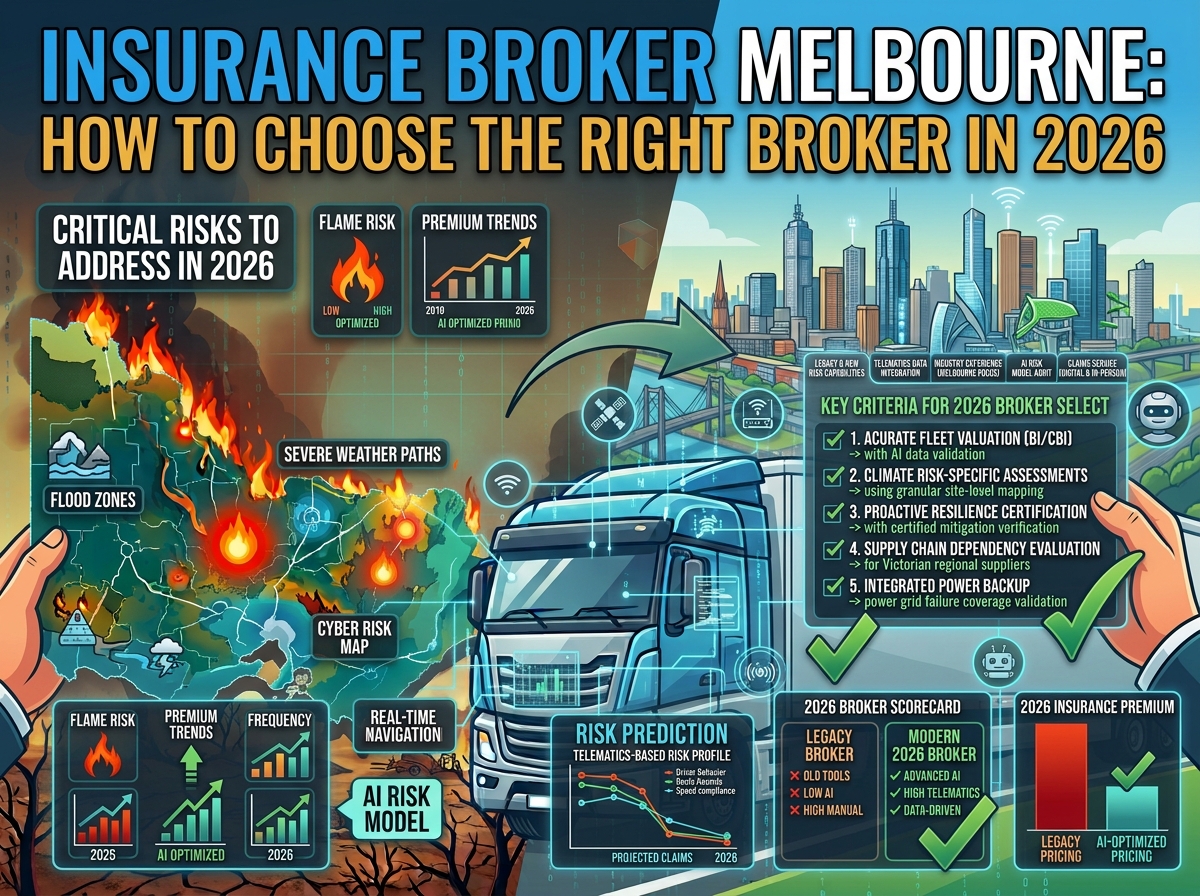
Insurance Broker Melbourne: How to Choose the Right Insurance Broker in 2026
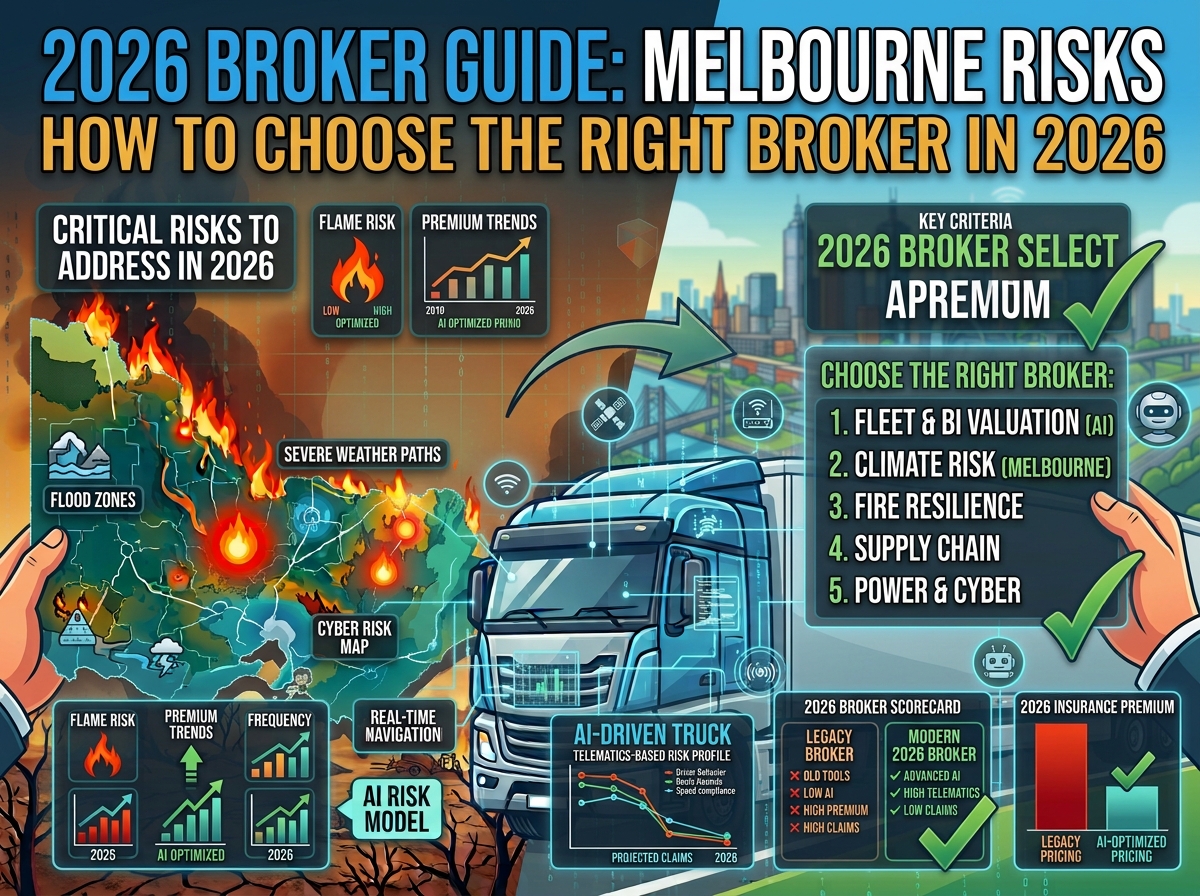
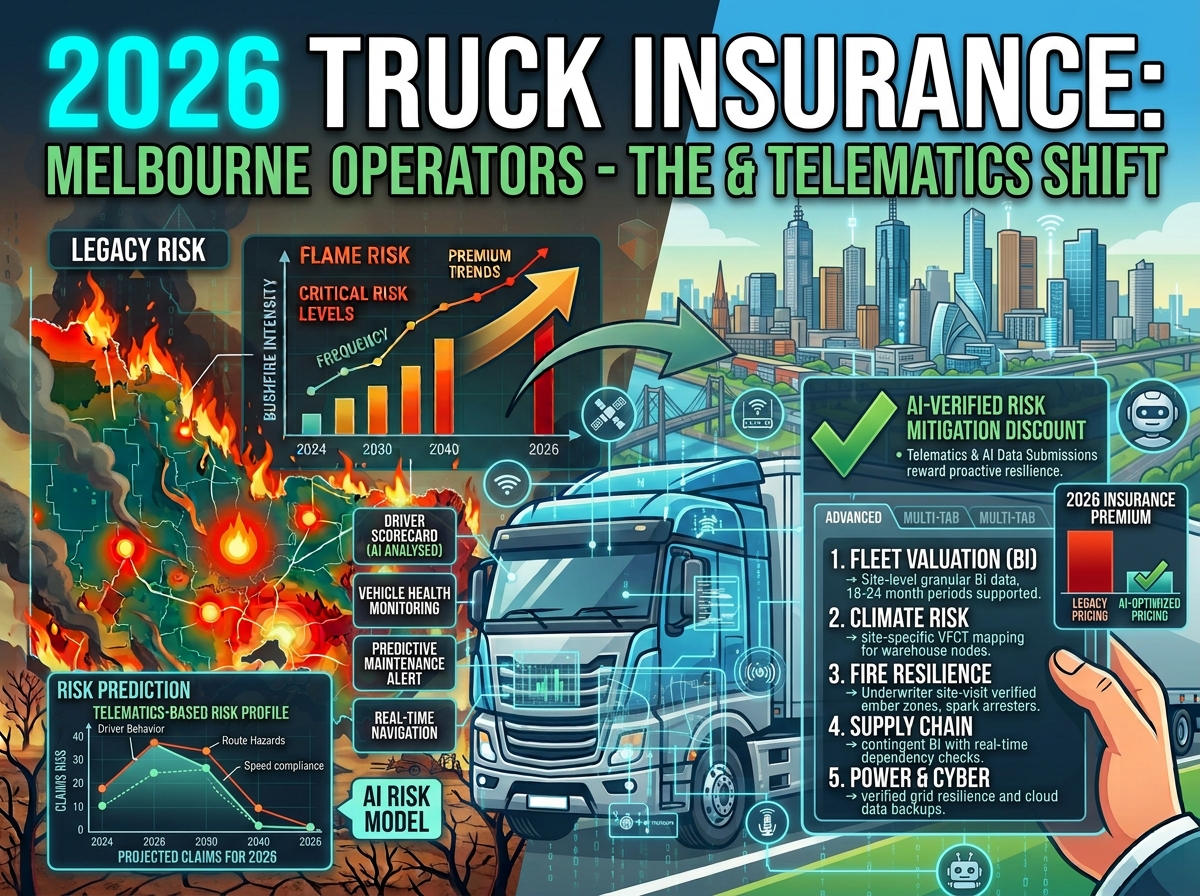
Truck Insurance Quote in 2026: How Telematics and AI Safety Technology Are Changing Truck Insurance in Melbourne


Truck Insurance Quote in 2026: What Melbourne Truck Operators Need to Know


Truck Insurance Quote: A Complete Guide to Truck Insurance in Melborune Australia
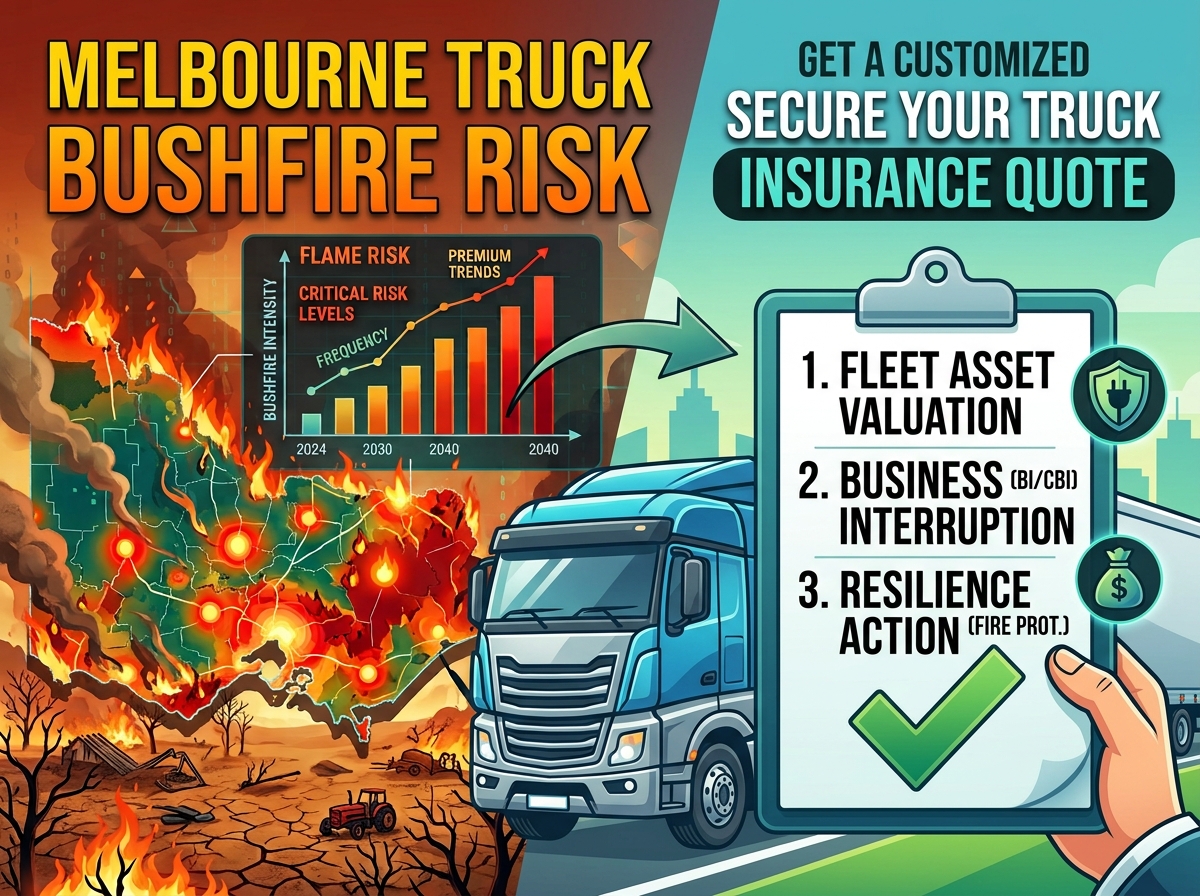
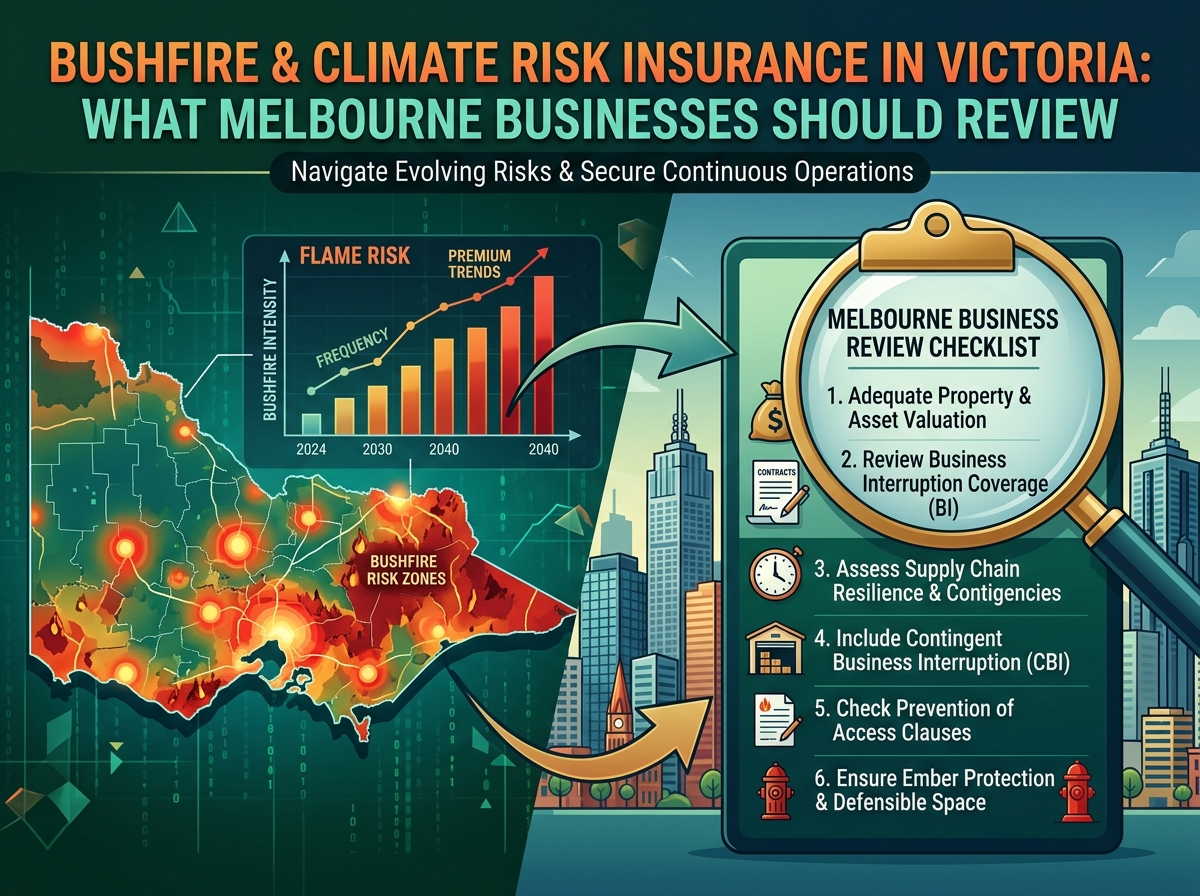
Bushfire & Climate Risk Insurance in Victoria: What Melbourne Businesses Should Review

Construction Insurance in Australia: What Every Builder, Tradie & Contractor Needs to Know

Cleaning Business Insurance Australia: Public Liability, Tools & Equipment Cover

A General Guide to Cargo & Marine Insurance

Types of Business Insurance: Liability & Directors Cover | Earnest Insurance

Sole Trader Public Liability Insurance | Costs & Cover

Everything You Need to Know About Small Truck Insurance

🏢 Commercial Property Insurance: What It Covers

Cafe & Coffee Shop Insurance

Insurance For Coffee Shops

Building & Construction Insurance Essentials


What you need to consider if you have a licensed venue

Insurance for the transport and logistics sector


What is really inside Business insurance?

Get in Touch
Have questions about insurance? Our expert brokers are here to help.